
There are many reasons a home might not sell, and some are so familiar that sellers barely need them explained. A price that floats too far above the realities of the market will always slow momentum, and presentation that misses the mark can do the same. Yet beyond these obvious factors lies a quieter collection of influences that shape buyer behaviour in ways most people never stop to consider. These subtler forces drift through inspections, colouring first impressions and guiding decisions long before a buyer reaches the stage of making an offer. Here are some of the less-thought-about reasons a Gold Coast home can sit on the market longer than expected.
There is a quiet moment in some campaigns when a seller begins to sense that something is not landing as it should. The home is listed, the photographs look polished, the description reads well, and the first open home brings a healthy stream of interest. Yet week after week the enquiries slow, the enthusiasm fades, and a stillness settles around the listing. It is rarely spoken about in public, but across the Gold Coast there are homes that linger on the portals far longer than anyone expected. The assumption is always that the price is wrong, but the truth is far more layered, and often far more human.
The Gold Coast market is its own ecosystem. Sunshine and lifestyle shape buying behaviour in ways outsiders often underestimate. A home that feels airy, bright and effortless can sell in days, while another with the same number of bedrooms can sit quietly for months. Buyers here are unusually sensitive to feeling, to atmosphere, to the things that cannot be captured in a spreadsheet. And many of the reasons a home fails to gain traction begin long before pricing even enters the conversation.
How Humidity Subtly Undermines First Impressions
Humidity is a quiet force that influences almost everything in coastal living. A house that felt crisp in the cool season can take on a faint heaviness by late spring. Buyers step inside and sense a subtle dampness they can't quite name, even if the air conditioner is running. Doors swell slightly, windows slide less freely and the edges of wardrobes feel slower to open. None of these things are catastrophic, yet collectively they create the impression of a home that requires more care than the buyer expected. On the Coast, where people dream of breezy afternoons and low maintenance living, even a hint of moisture can fracture the emotional connection before it begins.
Maintenance Shortcuts Leave Quiet Fingerprints
Maintenance shortcuts leave a trail that buyers notice more than sellers realise. A fresh coat of paint over an older repair line, a patch of mismatched grout, or a strip of silicone that reveals a rushed attempt to fix an old leak can all sit in the background of a buyer's mind. They might not say anything during the inspection, but after they leave the house they replay those details. One small doubt snowballs into a concern about what else might need attention. Once a buyer imagines future problems, the listing becomes a burden instead of a future home.
The Street Shapes the Story More Than the Listing Does
Neighbourhood micro perceptions can also stall a sale. The Gold Coast is woven from pockets that shift block by block. Buyers who love one street may feel uncertain about the next, even if the homes are similar and the distance is short. Street gradients, traffic hum, afternoon shadows and even how a street smells after rain all influence whether a buyer feels an immediate sense of comfort. Two properties can be identical on paper, yet one will attract confident offers while the other drifts through multiple price reductions simply because the ambience outside the front fence is slightly off.
Layout Is Felt Before It Is Understood
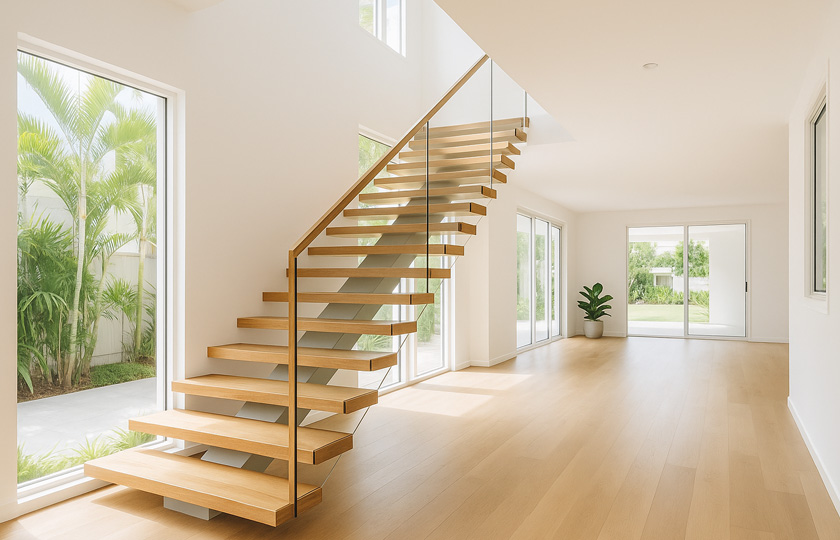
Layout is another decisive factor, and one that photographs often disguise. A home that looks spacious in images can feel unexpectedly fragmented when buyers walk through it. Narrow walkways, kitchens tucked too far from the living area, bedrooms reached only by awkward hallway detours or staircases placed in the centre of a space all disrupt the easy flow buyers want. On the Gold Coast, where daily life is relaxed and open, a home that interrupts natural movement feels immediately less desirable. People imagine guests drifting through open plan areas, children running between the pool and the kitchen, and long barefoot afternoons where indoor and outdoor zones merge. If the layout interrupts that imagined future, the emotional connection weakens.
When Breezes Matter More Than Fixtures
Natural ventilation plays a larger role in buyer psychology than most sellers expect. A property positioned to catch the coastal breeze tends to smell fresher, feel cooler and present more effortlessly during inspections. When the air feels still, buyers worry about future summers. They imagine running the ducted air for hours or struggling to keep the house fresh after a day at the beach. Even if the home is well insulated, the absence of a natural cross breeze creates a subtle sense of resistance that buyers rarely articulate but almost always feel.
Timing Can Tilt a Campaign Without Anyone Noticing
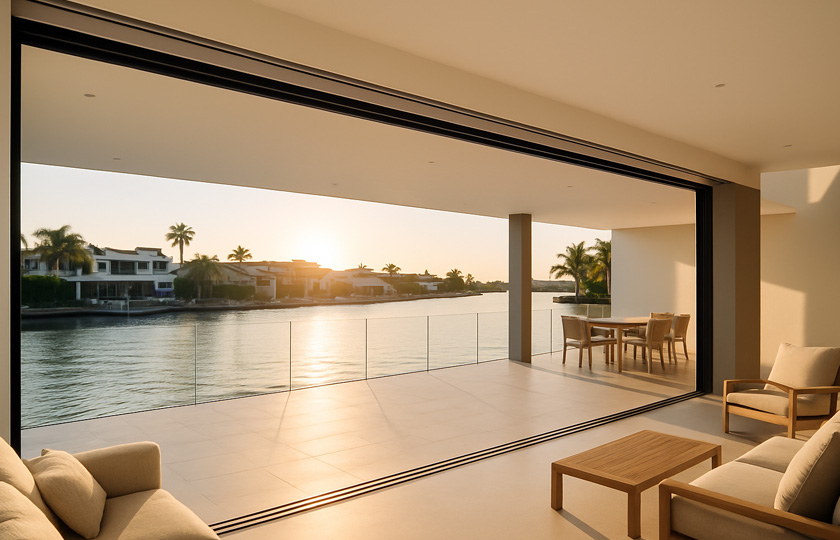
Presentation timing can also influence momentum. An open home held at the wrong time of day might cast the property unfairly. Morning homes with west facing rooms can look dim. Afternoon homes can feel overwhelming if outdoor tiles radiate heat. Hinterland properties fall into shadow earlier than expected, while canal homes can look dramatically different depending on how the light hits the water. Since buyers form their strongest impressions during those brief windows, a home exposed at its least flattering moment can be misjudged for the entire campaign.
Lifestyle Mismatches Begin in the Imagination
Lifestyle mismatches are subtle but powerful. When buyers walk through a property, they project their routines onto the space. A family who loves long outdoor evenings may be deterred by a courtyard that feels enclosed. A couple who host weekly gatherings can feel restricted by a kitchen that doesn't open cleanly to the living area. A downsizer who wants easy care might quietly dismiss a garden that asks too much during humid months. And young professionals dreaming of early morning beach walks might lose interest in a home that feels disconnected from the outdoors. These are not dramatic deal breakers, yet each one chips away at alignment.
The Emotional Weight of an Empty House
An empty home behaves differently during inspections. The air carries more echo, footsteps sound sharper, and the absence of personal belongings creates a subtle hollowness that buyers rarely articulate but instantly feel. A fully vacant property can make visitors linger for a shorter time because there is no emotional warmth to anchor them. On the Gold Coast, where buyers often imagine breezy afternoons, morning routines and long barefoot evenings drifting between pool and living room, a vacant house provides no cues for that fantasy. Instead, it becomes a blank stage that feels harder to inhabit mentally, and a home that feels emotionally distant is more likely to quietly accumulate days on the market.
When Styling Creates the Wrong Mood
Styling can elevate a home, but it can also undermine it when the mood doesn't match the environment. A house styled with heavy fabrics, oversized dark furniture or winter tones can feel completely out of step with the coastal climate. Even subtle inconsistencies can affect buyer psychology. A living room staged for a cool season can feel oddly flat on a humid summer afternoon. Coastal buyers respond strongly to atmosphere, and when styling sets the wrong emotional temperature, it interrupts the connection that should form the moment they enter the room. The mismatch lingers in their mind long after they leave the driveway.
Overly Personal Renovations That Confuse Buyers
Some homes carry beautiful renovations that simply speak too loudly to the personality of the current owner. Luxurious but unusual tile choices, intricate cabinetry, bold colour palettes or highly specific features may be executed with craftsmanship, yet still miss the emotional target for a general audience. Buyers often cannot visualise how to soften or adjust such distinct choices, so they mentally categorise the home as one that requires reworking. Even small details, such as themed lighting, unconventional shelving or standout wallpaper, can create the impression that the home has been tailored too tightly to someone else's life.
Awkward Sight Lines That Break the Flow
The first direction a buyer's eyes travel when entering a room shapes their entire perception of the space. If a doorway opens onto an underwhelming or visually busy element, the emotional flow is disrupted long before the buyer processes the room's positives. Some homes unintentionally present a laundry door, a narrow hallway, a roller door, or the side fence of a neighbour as the first major visual cue. Even a well designed home can feel fractured when the sight lines flatten the sense of anticipation. Buyers on the Gold Coast respond strongly to openness and rhythm, and anything that interrupts that soft internal flow causes hesitation.
Noise Perception During Inspections
Sound has a surprising influence on whether buyers feel drawn to a home. A distant construction site, a neighbour's air conditioner, a pool pump switching on, or even the natural acoustics of a hard-surfaced open plan living area can all shape the emotional experience. The tonal quality of noise matters as much as its volume. A low hum may feel manageable, while a sharp mechanical whirr can disrupt the sense of calm. Buyers may not comment on it during the inspection, but they carry that memory with them when comparing homes. On the Coast, where tranquillity is part of the dream, sound that doesn't blend gently into the environment can slow a sale.
When Outdoor Spaces Do Not Match Indoor Expectations
Indoor and outdoor living is an essential part of Gold Coast lifestyle. Buyers expect a home to unfold toward the outside in a way that feels natural and inviting. When a property's outdoor area is overshadowed, tight, angled the wrong way or disconnected from the main living room, the house loses momentum the moment the buyers step outside. Even beautifully maintained spaces can feel disconnected if there is no obvious flow between zones. A good outdoor area acts as an extension of the living room. When that extension feels truncated or awkward, buyers feel an emotional drop that is difficult to recover from.
The Home That Feels Too Hard to Visualise Furnished
Vacant homes with complex angles, unusual proportions or non-standard shaped rooms create a quiet challenge for buyers. Without furniture to guide scale and movement, people struggle to picture their belongings fitting comfortably. Even a room that is technically large can feel psychologically small when empty. Buyers often leave unsure whether their bed, sofa or dining table would work, and uncertainty is one of the fastest ways to lose emotional momentum. Homes that require imagination to decode can sit longer simply because buyers move on to properties that feel easier to mentally inhabit.
Poorly Managed Scent and Temperature
A home's scent and temperature leave immediate impressions that buyers cannot ignore. A space that feels too warm or too cold finds it harder to hold interest, and artificial fragrances can be as disruptive as natural ones. Strong diffusers or scented candles intended to mask another odour can introduce suspicion, while a faint smell from pets or closed rooms can create an instant emotional barrier. Temperature is equally influential. Warm tiled floors in the afternoon or a chill in shaded rooms during winter shifts how buyers judge comfort. These small sensory cues reach buyers faster than logic does, and they quietly affect whether the home feels welcoming or resistant.
The Photography Reality Gap
When the photography promises something the home cannot deliver, disappointment settles in within seconds. A house flooded with soft golden light in online images may appear dim on inspection day. Wide-angle lenses can exaggerate proportions, leading buyers to expect larger living rooms or more generous kitchens than reality offers. Once buyers feel misled, even unintentionally, trust dissipates quickly. They stop imagining a future in the home and instead fixate on the gap between expectation and reality. This is one of the most common yet least discussed reasons a listing slows down.
Homes That Feel Mid Renovation Even When They Are Not
Some homes carry the ambience of incomplete work even when the major renovations are finished. Mismatched tapware, older light fittings left untouched, new flooring meeting older tiles, small sections of skirting awaiting attention, or partial updates in bathrooms all create a sense that the home is still in progress. Buyers can feel as though they are inheriting someone else's to-do list. Even when the work required is minimal, the impression of ongoing effort discourages momentum. Homes that feel mid renovation signal a level of commitment buyers may not be ready to shoulder.
Small Sensory Cues Carry the Greatest Weight
In the end, it is often the smallest sensory cues that shape a buyer's decision. A faint chlorine smell near the pool pump, the echo of footsteps in a long hallway, a warm patch of tile, or the subtle hum of a neighbour's system can shift a perception in an instant. Sensory experience is central to Gold Coast living. Buyers search not just for square metres and finishes, but for ease, comfort and the promise of a particular lifestyle. When any part of the sensory environment interrupts that imagined future, the buyer detaches and the listing begins to age.
When Strategy and Expectations Drift Out of Alignment
Sometimes a slow campaign has less to do with the property itself and more to do with subtle mismatches in how the sale strategy is unfolding. Even with a fully licensed and highly capable agent, every seller has their own preferences around communication, pacing, marketing style and how feedback is presented. If those preferences aren't perfectly aligned from the start, the campaign can lose momentum without anyone doing anything "wrong". A shift in buyer behaviour, a change in seasonal demand, or even a simple misunderstanding about how often updates should arrive can create the feeling that the campaign is stalling. When expectations are realigned and strategy is refreshed, the energy around the listing often returns quickly.
Understanding the Truth Behind a Slow Campaign
Homes that linger on the market are rarely flawed. More often they carry a collection of small misalignments that sit just outside a buyer's awareness. When these details accumulate, they create a feeling that the home is not quite right, even if the buyer cannot explain why. In a region where lifestyle shapes every decision, the homes that sell quickly are those that naturally align with the way people live here. The homes that sit longer simply need adjustments to help buyers see what they truly offer.
Understanding these subtle forces shifts the narrative. It moves the discussion away from blame and toward clarity. Sellers can refine inspection timing, address maintenance cues, enhance ventilation and emphasise the lifestyle story the home supports. On the Gold Coast, where the emotional response to a property is as important as its features, even small changes can dissolve hesitation and restore the momentum a campaign needs.
You might also like



Disclaimer: Every effort has been made to ensure the accuracy of the information provided, but we make no guarantees regarding its completeness or reliability. The data is presented for general informational purposes only and does not constitute financial, investment, or legal advice. We are not liable for any errors, omissions, or consequences arising from its use. Users should verify details with relevant sources and seek professional advice where appropriate for the most accurate and up-to-date guidance.