When families prepare a home for sale or start a big declutter, the kids' toys are often among the first things to be sorted. Boxes that haven't been opened in years can reveal cracked plastic, missing pieces, or electrical toys that no longer meet today's safety standards. It's tempting to donate them - but some toys are best retired for good. Knowing how to dispose of them safely protects your own family and prevents hazards for others.
When toys reach the end of their life, it's natural to want them to go to another child rather than into the bin. But safety comes first: many toys are not suitable for reuse once they're damaged, worn, or outdated. Some can cause injury, drowning risks, or even electrical hazards if left intact. That's why warning labels and safety disposal instructions exist - and why parents sometimes face the uncomfortable but necessary task of destroying a toy before it leaves the house. From removing batteries to cutting inflatables, safe disposal protects your own children, other families, and the environment.
It's not something any parent enjoys, but every so often it's one of those unpleasant jobs that simply has to be done.
It can feel wasteful to throw a toy away, but it's worth remembering that safety standards change over time, and a toy that once met regulations might no longer be considered safe today. Plastics can become brittle, small parts may loosen, and older electronics can overheat or leak. Donating or reselling those items only passes the risk on to another family. By checking labels and following disposal instructions, you ensure the toy's final stage is handled responsibly, rather than leaving a hidden danger for someone else.
Important to Know: This is a no-nonsense guide to help parents understand how to responsibly destroy unsafe toys so they cannot be reused. Some readers may find the subject matter confronting, but it is shared with care, safety, and children’s wellbeing in mind.
Warning Labels on Toys
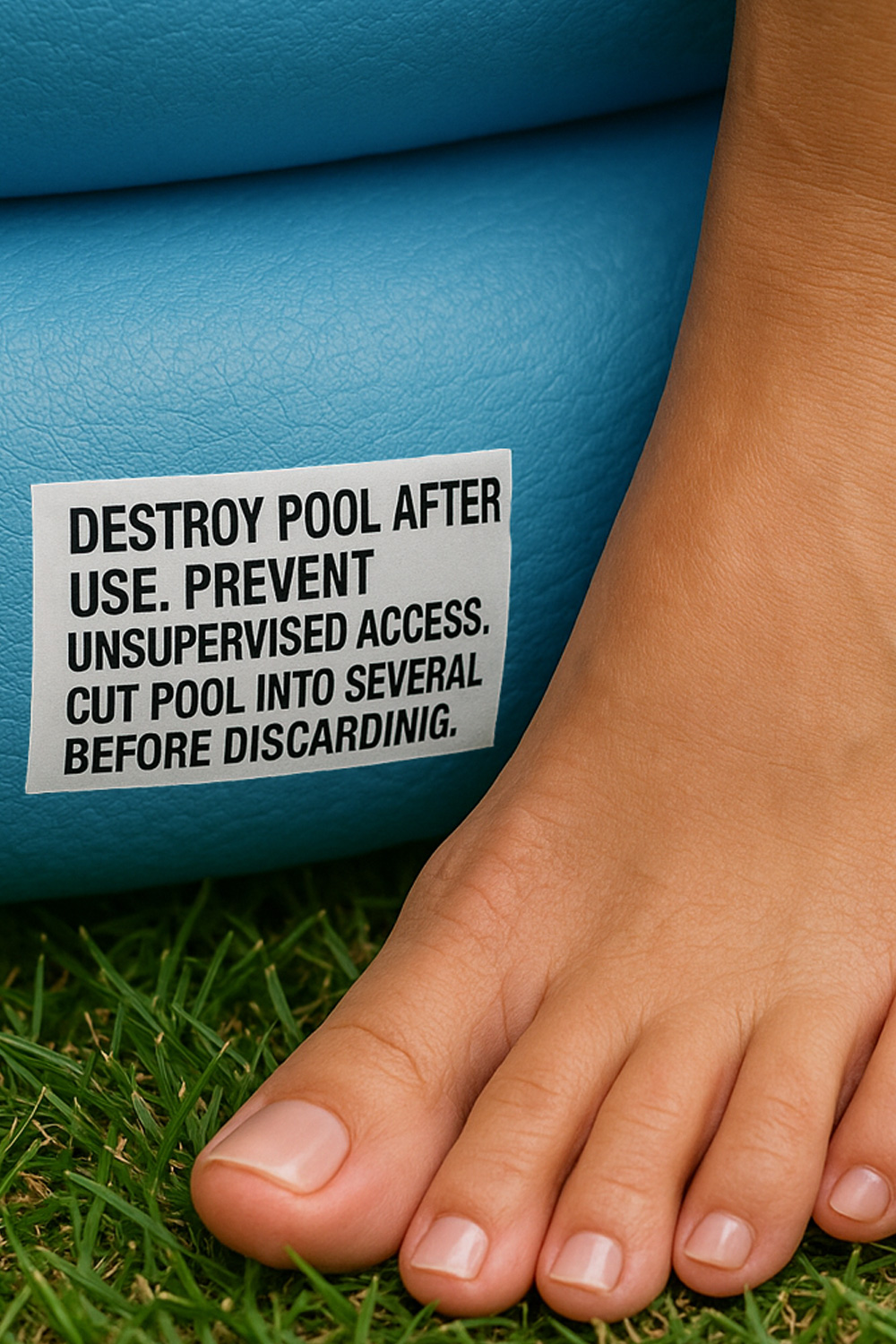
By law in many countries, warning labels and safety disposal instructions must appear on certain toys and child-related products, particularly those that could pose a drowning, entrapment, or misuse hazard if left intact after disposal.
Examples of common labels or instructions seen on toys and products might include:
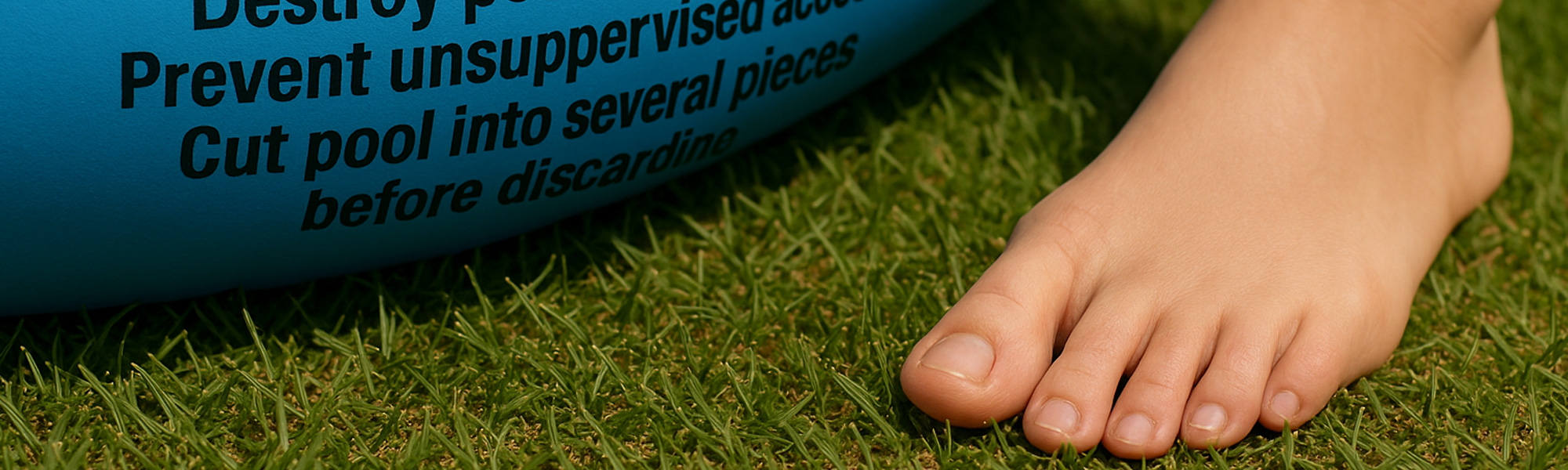
- Inflatable Pools - "Destroy pool after use. Prevent unsupervised access. Cut pool into several pieces before discarding."
- Ride-Ons - "If product is damaged, remove or destroy key components before discarding to prevent reuse or injuries."
- Floatation Devices - "Not a lifesaving device. Discard if punctured. Cut before disposal."
- Playpens and Baby Equipment - "Stop using if any part is broken. Destroy or disable product before disposing to prevent use by others."
- Toys with Batteries or Electronics - "Remove batteries before disposal. Recycle electronics according to local regulations."
Disposing of Inflatables Seasonally for Hygiene

For many families, tearing up lightweight inflatables at the end of summer has become the popular choice. Instead of tucking them away, parents often tear them up right on the grass after the season - often without even deflating them first - knowing that punctures and weak seams can turn into entrapment risks if they're left for later. It's safer, more hygienic, and avoids the hassle of storing bulky plastic that might very well be unsafe come next year.
The hygiene risk of re-using inflatables is something many parents never think about. Inflatables inevitably pick up sand, grass and dirt from daily use - whether from bare feet, damp swimwear or just being dragged around the yard. When they're used again, that residue doesn't just stay on the inflatable; it rubs back onto skin and hands, spreading whatever's built up. Once stored, hidden water in seams or compartments can also encourage mould and mildew to grow inside, leaving them musty or unsafe even if they look fine on the surface.
After months of sand, feet and water, inflatables make it clear - they're ready to stop being toys and start being rubbish.
You'll thank yourself next season when you're unrolling fresh, clean inflatables instead of dreading what might come out of storage.The Importance of Leaning How to Break Correctly
Understandably, needing to break a toy doesn't happen often, so when the time comes - often during moving or after a season of use - it's important for parents to know how to do it properly. It might feel uncomfortable, but destroying broken or end-of-season inflatables, damaged ride-ons, or unsafe items is part of being a responsible parent: protecting your kids and others. It can be difficult at first, but once you start you generally focus on the task at hand. By handling it calmly and out of sight, you protect your child from disappointment while ensuring no one else is put at risk. Think of it as another part of good decluttering: keeping only what's safe, useful, and ready for the next stage of your family's move.
Why Using Your Feet To Press Can Be Safer Than Tools
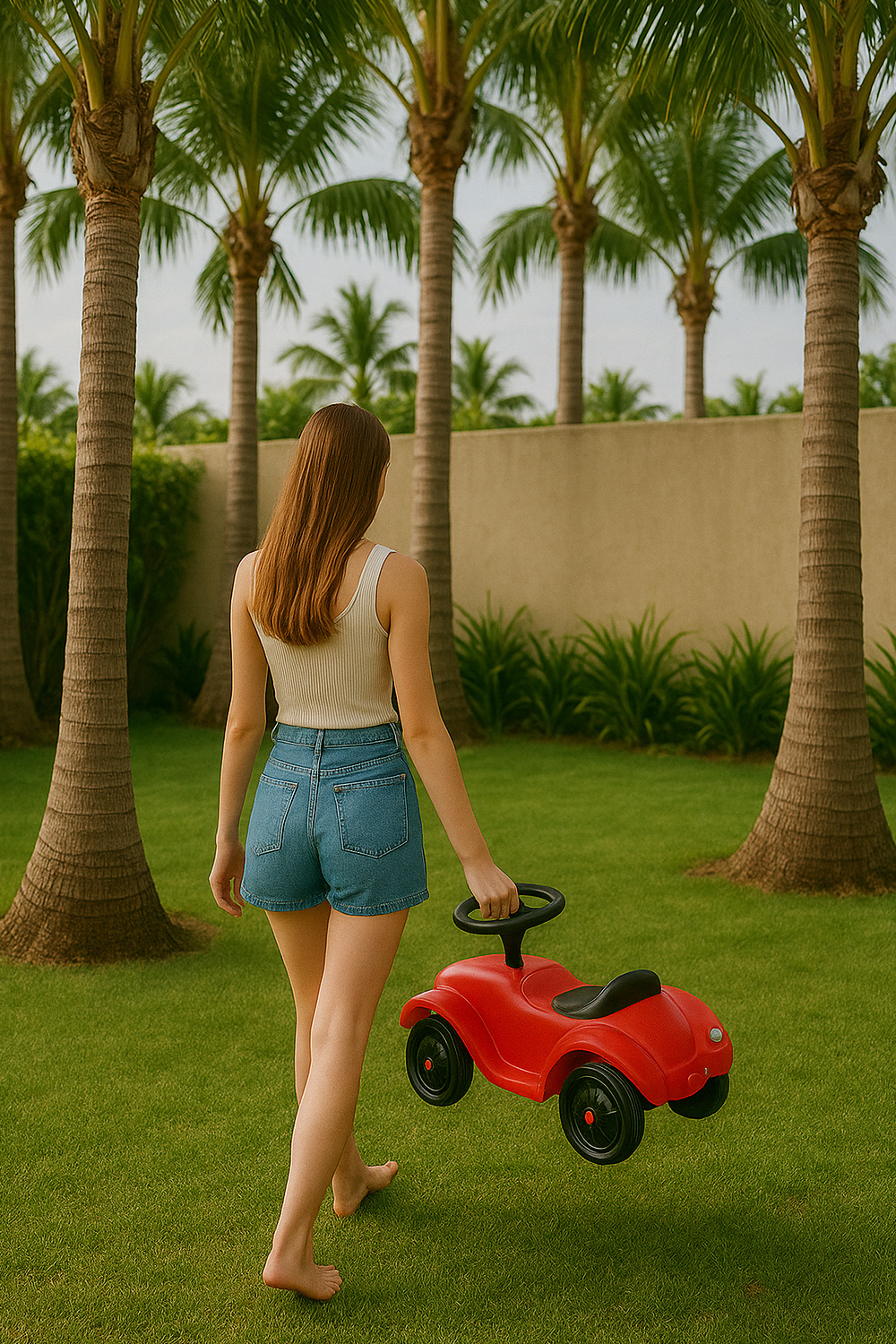
Toys were never designed to be dismantled. Trying to cut them apart with knives, saws, or even heavy-duty scissors can be dangerous - plastics bend, slip, and snap unpredictably. A controlled foot press is often the safest option, using body weight instead of sharp edges.
Feet are surprisingly effective tools. They offer weight, grip, balance, and leverage in ways that hands often can't, especially when working with awkward shapes like inflatables or bulky ride-ons. Unlike blades, they don't pierce or slice, and used carefully they can deform or disable a toy without creating extra hazards.
On the Gold Coast, being barefoot at home is normal, and in many cases it can be safer for toy disposal too: bare soles grip vinyl and soft plastics better, reducing the risk of slipping that can happen with shoes. Shoes may help if a toy has sharp or rigid parts, a plastic that doesn't bend and dent softly, or is made of a material that might snap or break. The safest approach is to know the material you are dealing with, and choose what gives you stability, safety and control for it.
Foot usage tips for safe toy disposal:
- Toes: Useful for pinning smaller pieces of vinyl or foam while your hands pull upward.
- Ball of the foot: Best for pressing and denting panels and dragging across lightweight plastics or inflatables to tear them open.
- Heel: Provides strong downward pressure for crushing or bending plastic parts.
- Full sole: Provides good grip when applying downward pressure, or pressing in panels and walls.
- Both feet together: Adds extra compression when you need to collapse or deform larger toys or ride-ons. Hold on to a solid object for safety.
Safety note: Always go slowly - very slowly - and stay in control. Avoid stomping - it creates more risk of slipping or breaking sharp parts free. If you feel rigid edges or fittings under your foot, stop and reassess whether shoes or another angle will make it safer. The aim isn't to smash the toy completely, but to disable it so it can't be reused.
Know How Plastics Behave Underfoot
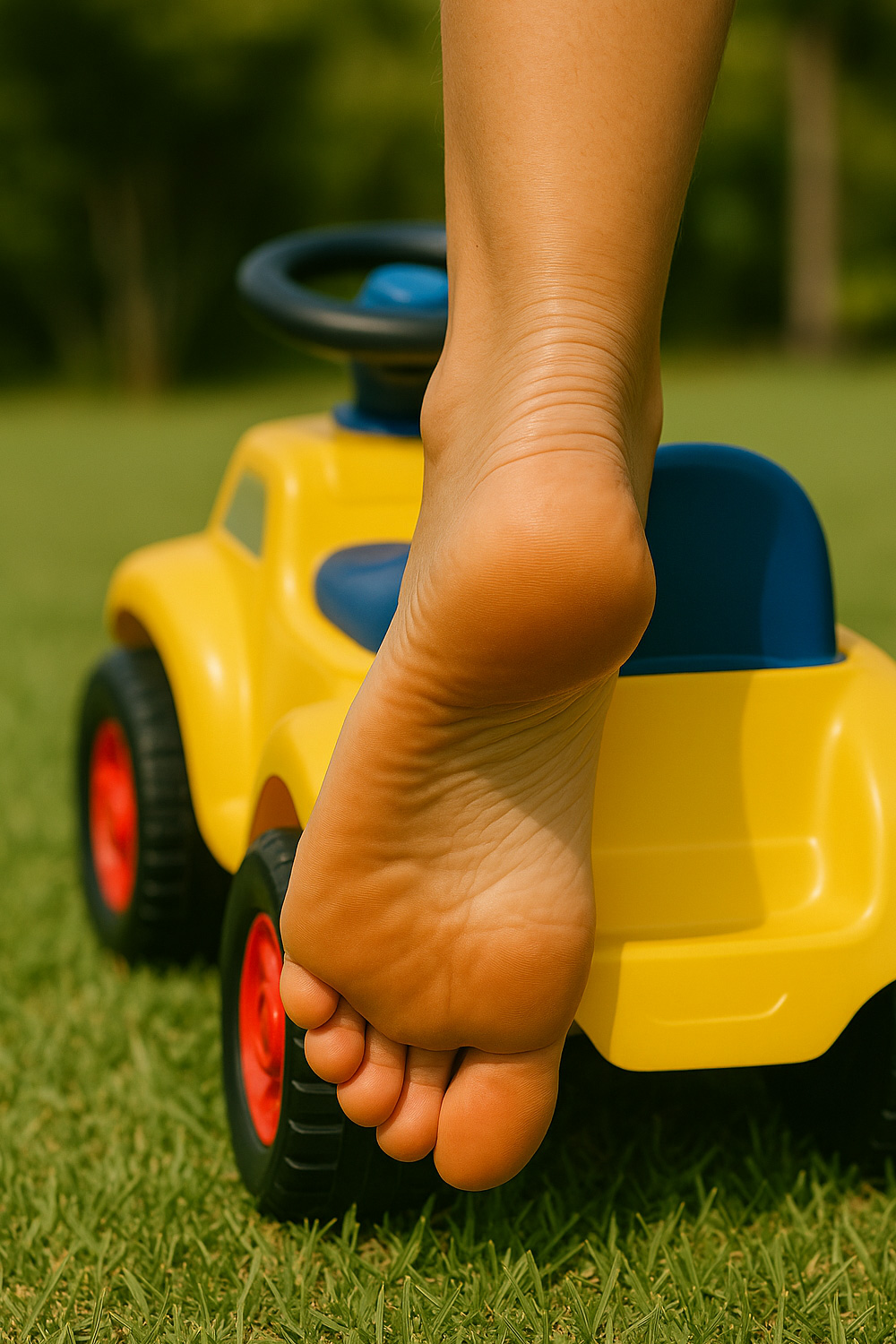
Not all plastics behave the same way when pressed. Some are soft and bendable, others snap or shatter unpredictably. Understanding the difference helps you decide whether it's safe to use your feet or whether to switch to shoes or another method.
Plastics that are generally safe for barefoot pressure include vinyls, inflatables, pool plastics, and soft foams. These materials stretch, crease, or collapse without creating sharp edges. Thin, flexible toy shells - like some lightweight ride-ons or foam-backed plastics - also tend to dent and fold rather than break, making them manageable with gentle, steady foot pressure. Just keep in mind that even flexible plastics can eventually split if pushed too far.
On the other hand, some materials should be treated with caution. Hard, rigid plastics such as those used in wheels, axles, handles, and steering parts can splinter or release sharp edges when stressed. Old or brittle plastics may snap rather than bend, and electronic casings often hide wiring or small components that behave unpredictably. In these cases, or if you have any doubt at all, it's better to keep shoes on or use another disposal method.
As a rule of thumb, test the surface with your hand first. If it flexes easily, it's usually safe for bare soles. If it feels hard, brittle, or "crunchy," use common sense, protect yourself with shoes, or follow safer containment advice instead.
How to Dispose of Inflatables Safely
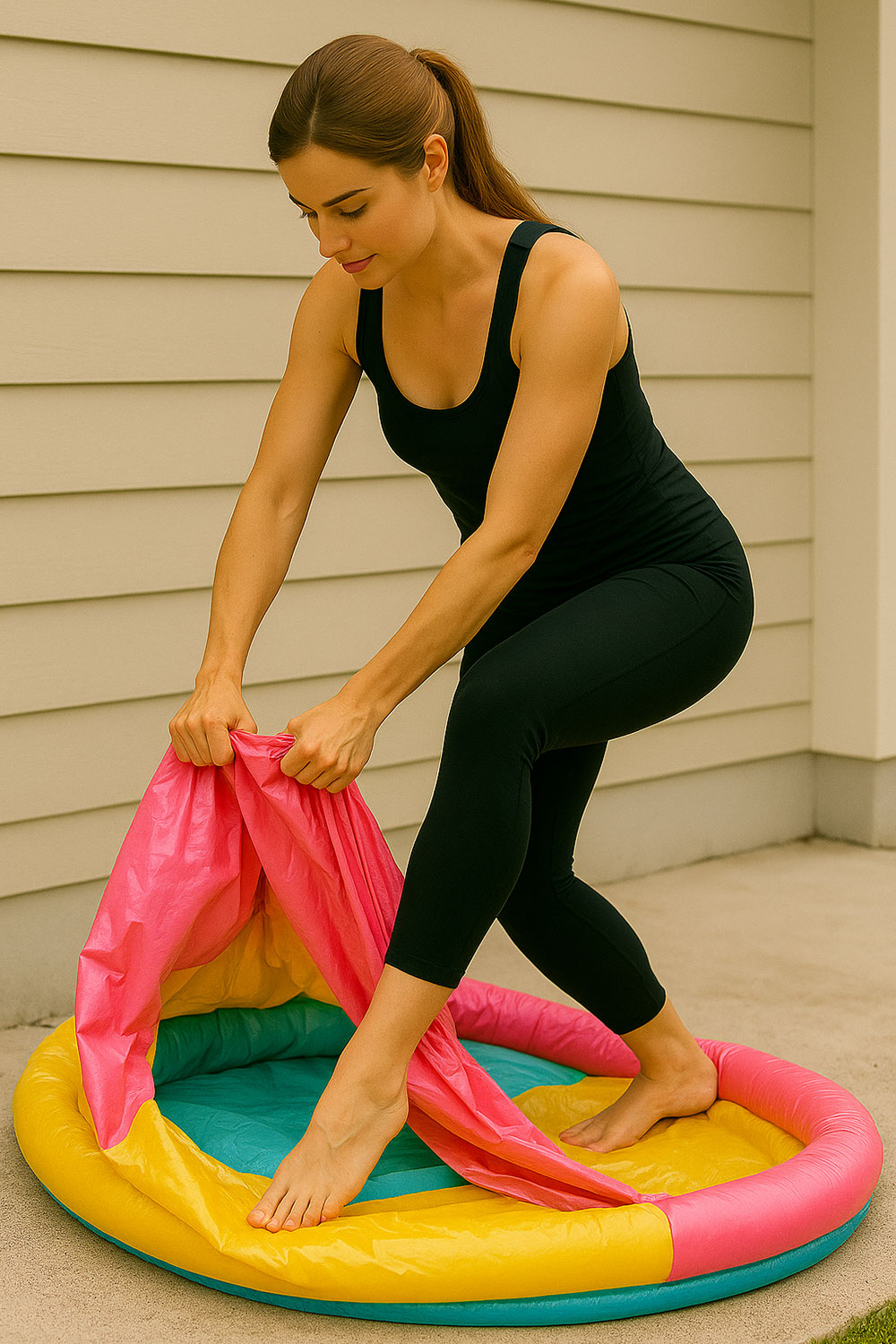
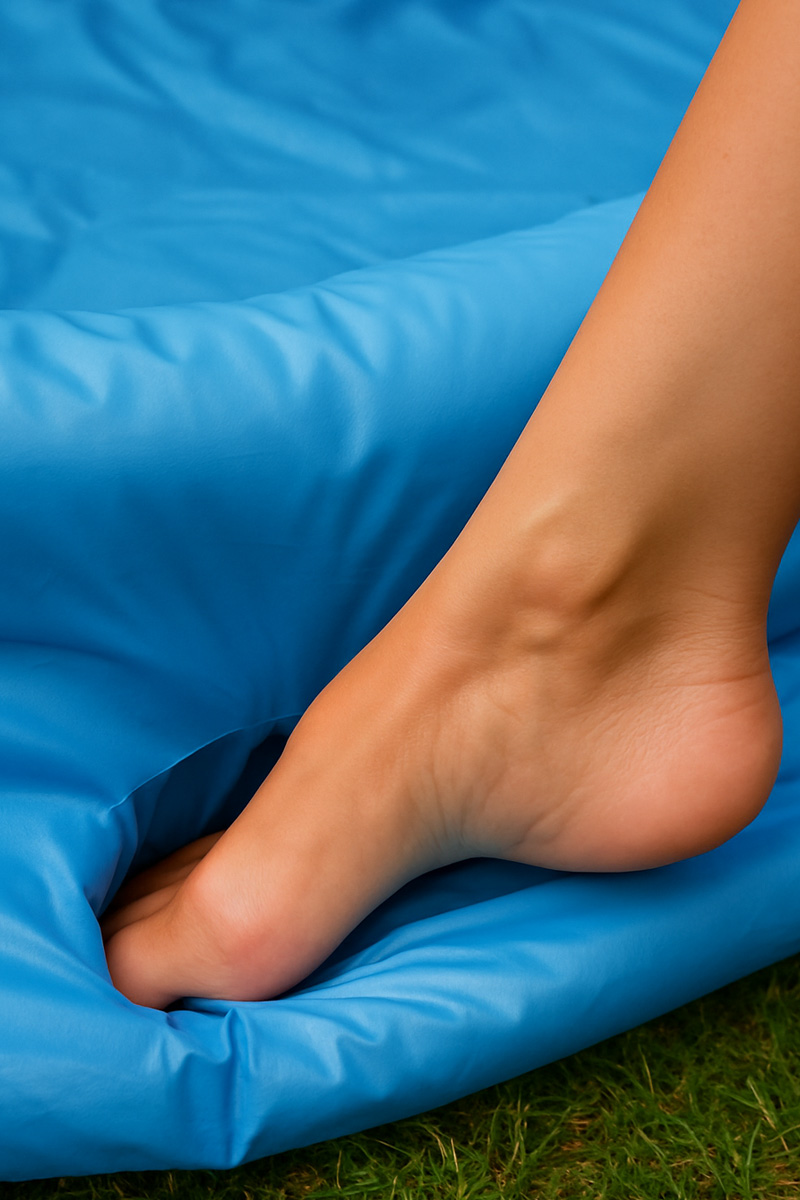
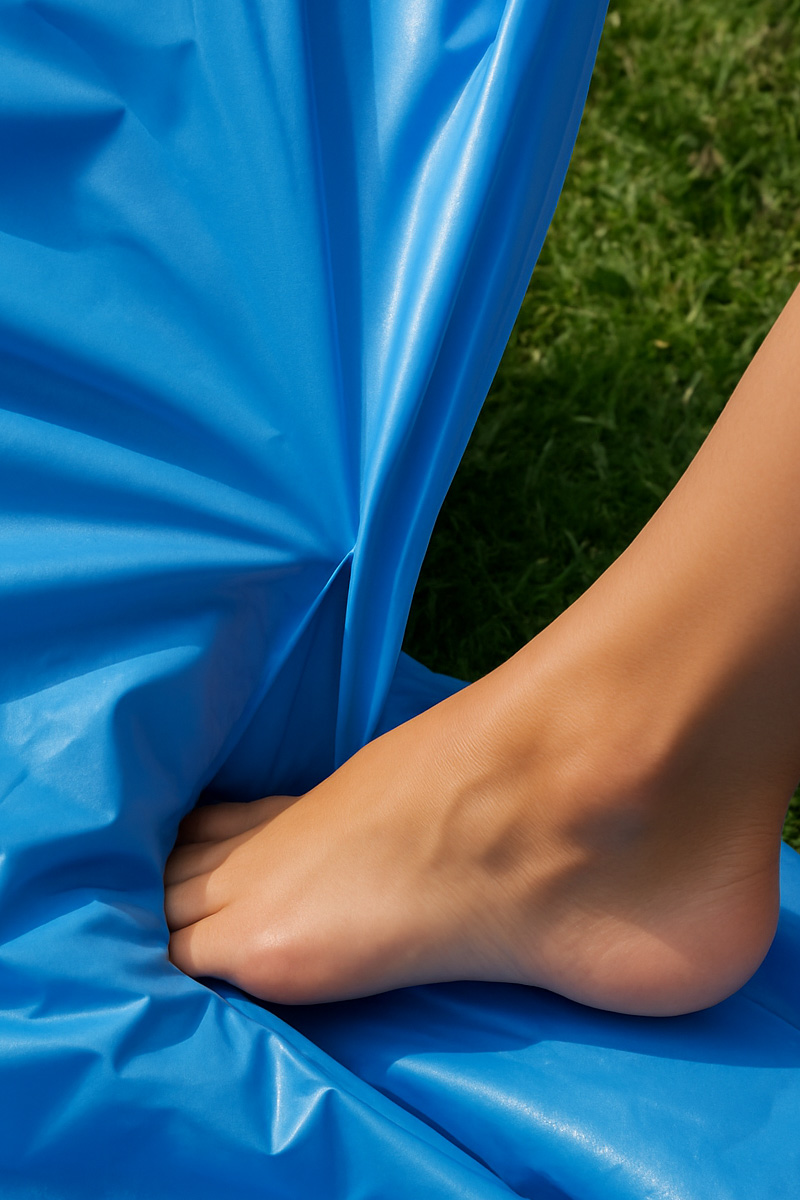
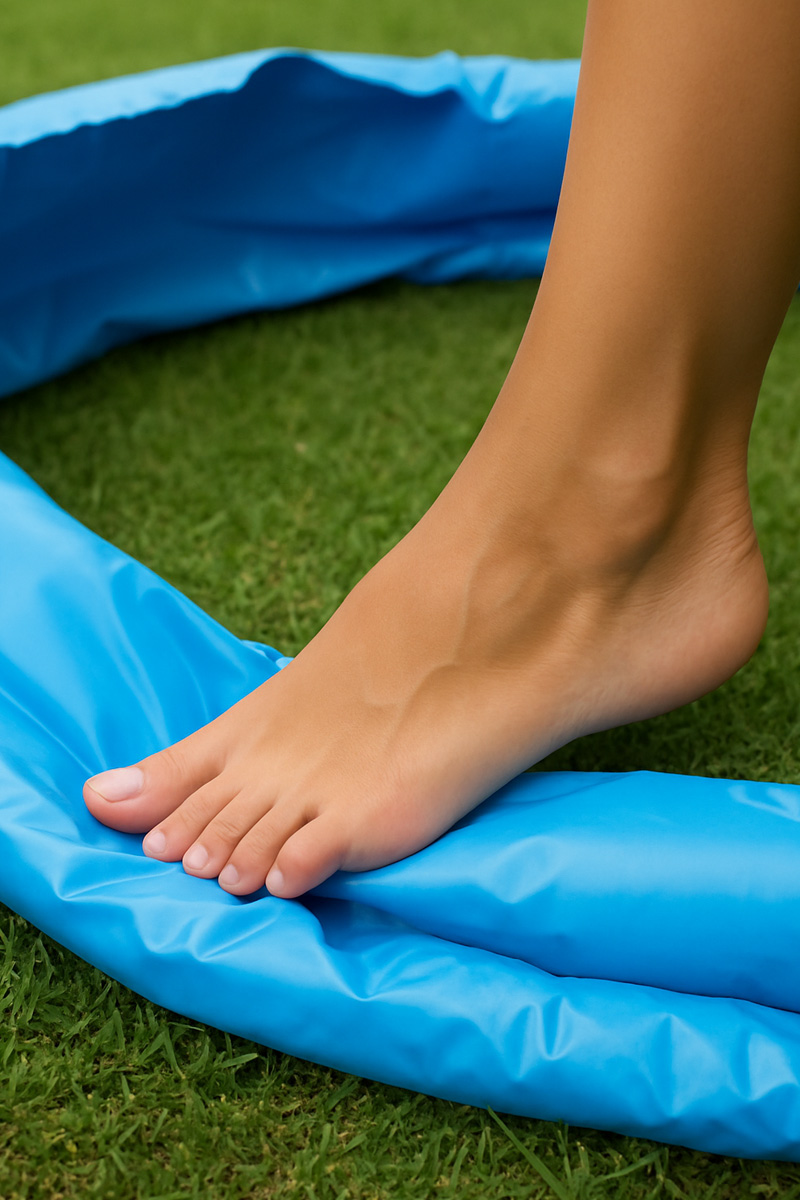
Destroy inflatables directly where they are on the grass or carry them next to the bins, start by making a cut with scissors, then press firmly with your hands and feet to push the air out. Widen the cut so it's large enough to slip a foot through, then step down into the opening to pin the material in place. With your foot holding it steady, pull upwards on the vinyl with both hands to rip it into sections. Moving your foot along as you go gives you better leverage, and it's far safer than trying to force scissors through the slippery plastic. It's usually easiest done barefoot, as you'll get more grip and control on the vinyl without risking a shoe slipping. If you need extra compression, stand with both feet across the panel before tearing.
For toy-shaped inflatables, tear them into flat, indistinguishable panels so they can't be mistaken for play. For structural inflatables like wading pools, at least tear large holes into each tube or compartment.
Breaking Wheeled and Other Toys
For other toys, take them to a secluded area like the side of the house or where the view is blocked to prevent distress. Cut along seams or joints to weaken them, then fold or tear the softer parts down until they fit neatly into a garbage bag. Some materials, like foam or lightweight plastic, can often be crushed just by stepping on them a few times.
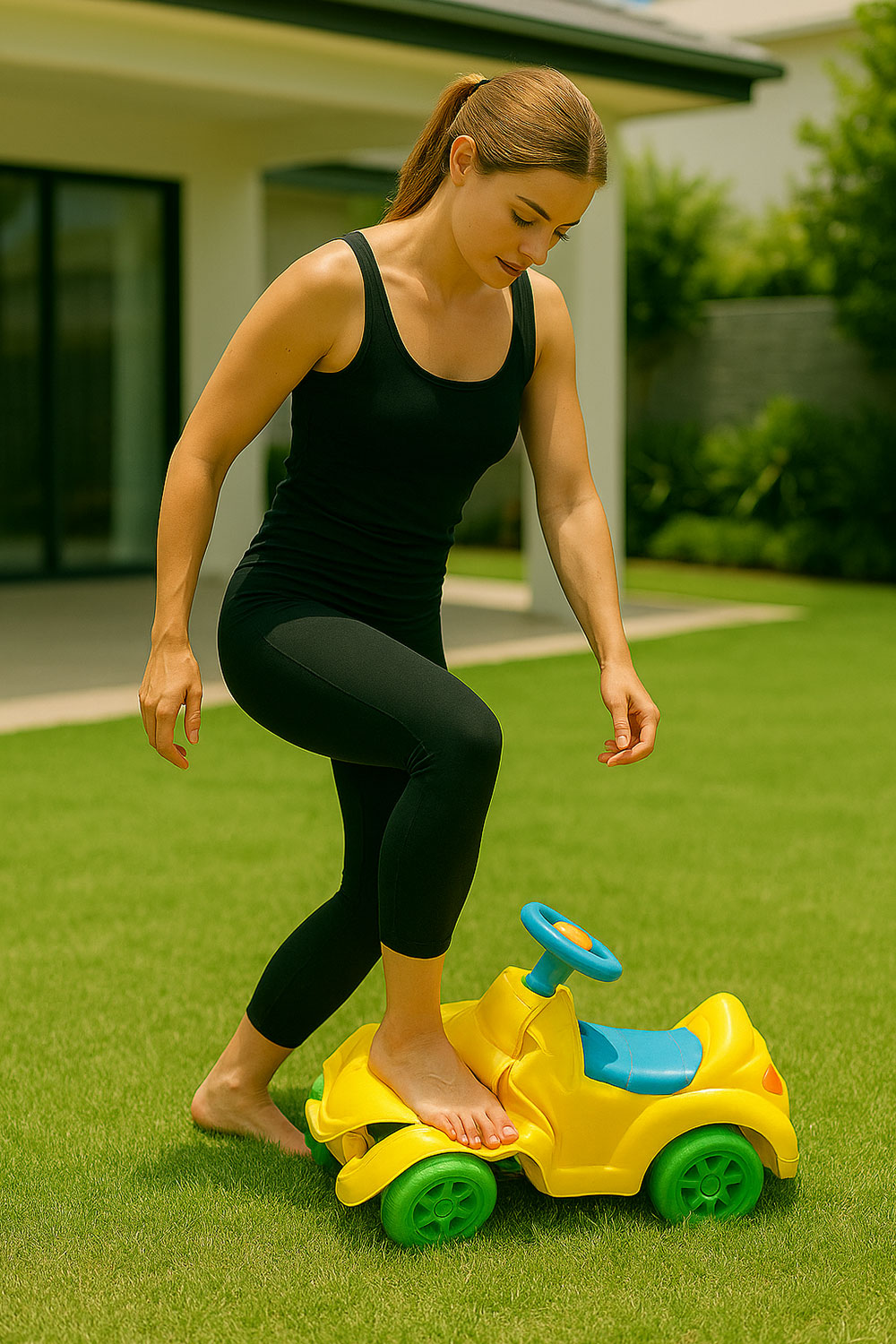
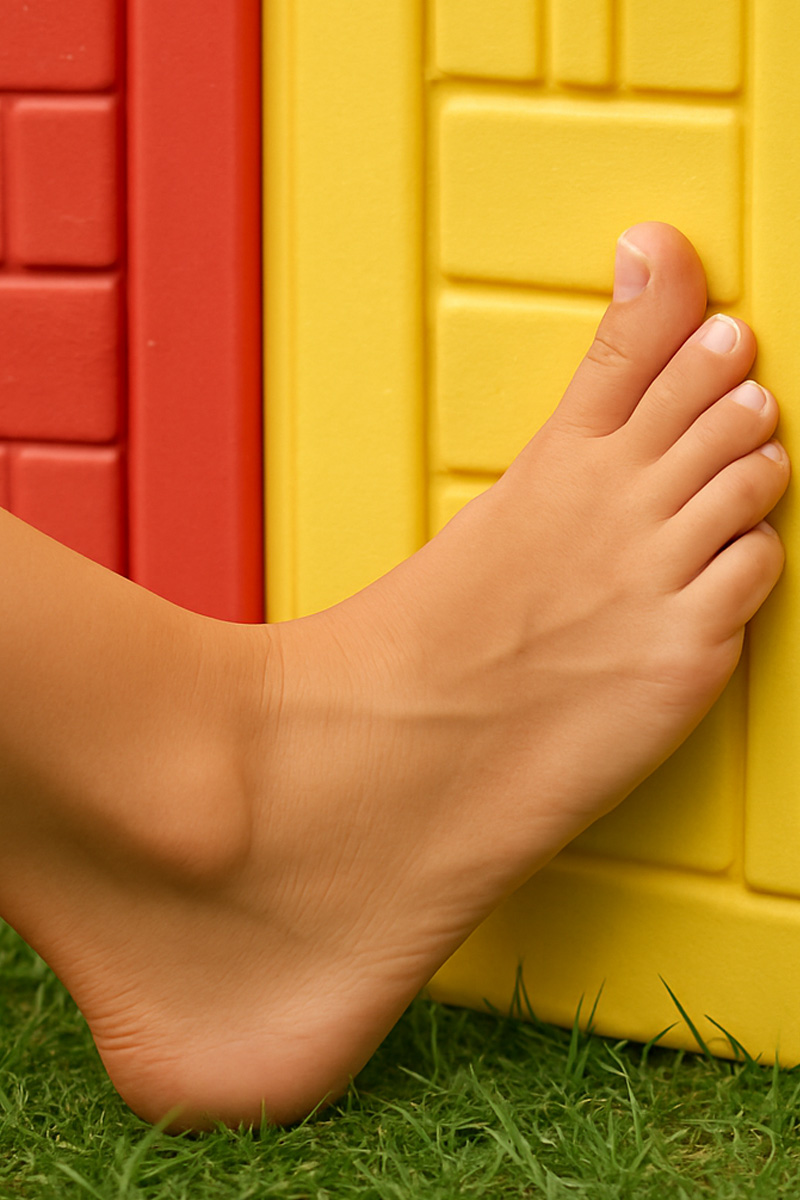
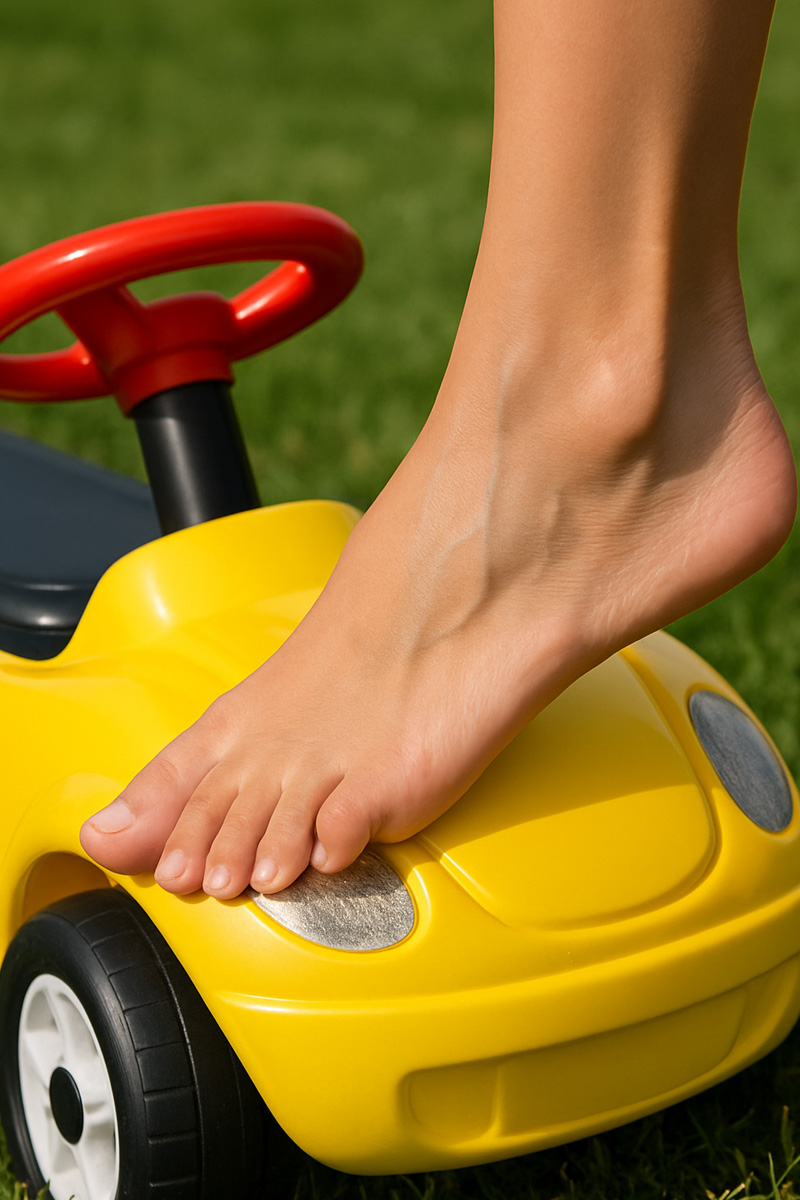
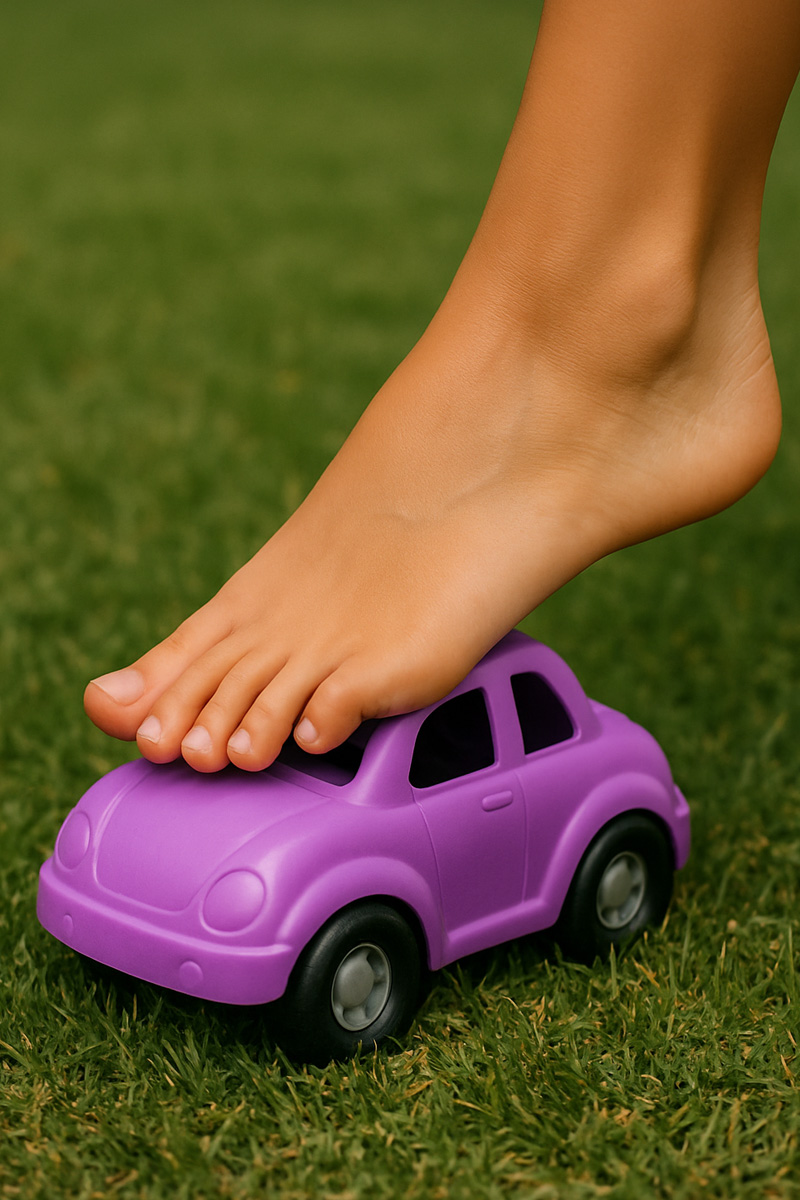
For wheeled toys, choose a surface with grass or gravel to help you stabilise the toy while it gets destroyed. Direct your feet from the correct angles so the pressure you apply doesn't roll the toy, but breaks it. Sometimes turning the toy on different sides lets you apply foot and heel indentations on different panels to make the toy look unappealing.
Always take care around any hard plastic fittings like valves, handles, or wheels. When crushing, make sure you don't exceed what the soles of your feet can handle. Remember you don't need to - and won't ever be able to - break the toy completely. The weight of an adult on top of a soft plastic toy is usually enough to deform outer panels and bend internal parts that make it work, like wheels and axels. The aim is to deform it enough so it can't be used, and kids don't want to use it. If in any doubt put on shoes. Take it slow and don't stomp. You want to be careful to avoid sharp parts, pieces that may suddenly break or snap, or even internal components that might push out like wheel axels.
Disposing of Toys With Batteries or Electronics
Toys with batteries or electronic parts need extra care. Always remove batteries before disposal to avoid leaks or fire risk, and recycle them through your local battery collection point. For electronics, check your council's e-waste program - many areas have drop-off days or bins specifically for small appliances and toys. Never place electronics straight into the rubbish, as they can release harmful chemicals and may spark fires in landfill or trucks.
Talking With Children About Disposal
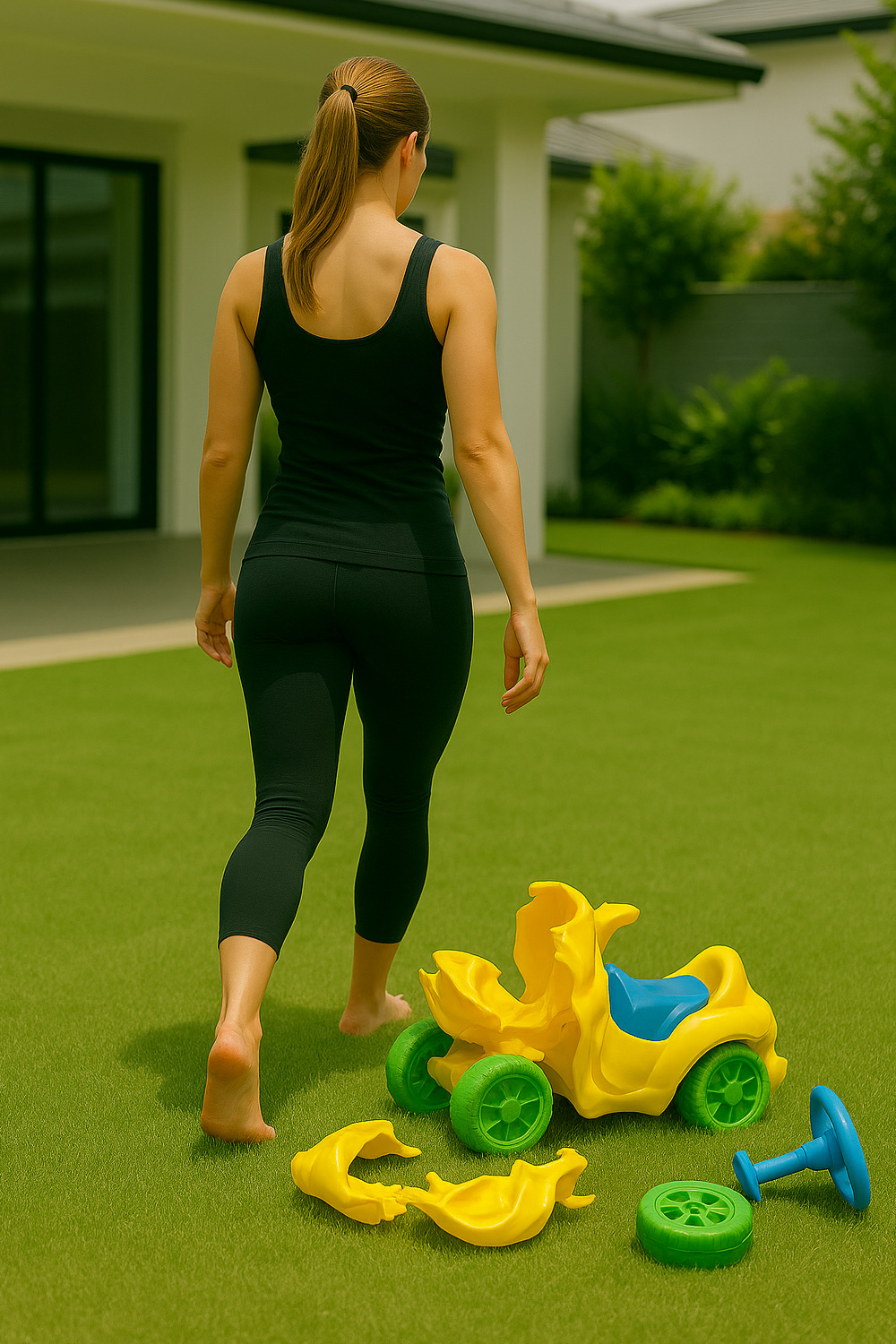
It's usually best not to announce toy disposal in advance. Giving children notice often only builds anticipation or upset. A simpler approach is to take care of it quietly in a secluded spot. One simple trick is to destroy the toy at the same time you're crushing cardboard boxes for recycling. Its such a regular household routine that they won't even notice. To a child, the routine looks and sounds the same - walking off with large objects to flatten, carrying it to the side of the house or bins, then using your feet to dispose of it. The dull thuds and creaks of toys breaking under your weight blend easily with the crumpling sounds of boxes being treaded and stomped, especially if you crush a few boxes first, deal with the toy, then finish with more - so the whole sequence feels like one long recycling job.
Sometimes children will notice when a toy is gone, see you breaking it down, or ask about it afterward. The best approach is to be honest: explain simply that the toy was broken or unsafe, and that throwing it away was the right thing to do. If they ask you to stop while you're doing it, it's usually kinder to see it through rather than prolong the moment. You can explain that once your feet have pressed on the toy it has become rubbish - already damaged and unable to go back - and stopping halfway would only leave it broken but still unsafe. Emphasise that it's about keeping them safe, not about losing something they love, and gently redirect their focus toward the toys they still enjoy or the excitement of making space for new ones. Handled this way, the moment becomes less about loss and more about learning responsibility and resilience.
Explaining that while it might look distressing to see a toy get crushed for disposal, it's actually a good thing. You can use the moment as a gentle teaching opportunity, showing that the toy had to be destroyed as the responsible step that makes it safe to throw away. Explain that destroying it prevents anyone from getting hurt if they were to play with a toy that's no longer safe to use. Framed this way, children understand that letting go of unsafe things is about keeping the family safe and making space for what's still useful. Once it's done, bag the destroyed toy straight away - keeping it out of sight helps avoid further distress and signals that it's truly gone.
By following the instructions on labels and knowing when to let go, parents protect not only their own children but others too. While destroying a toy can feel uncomfortable, it's an act of care: making sure unsafe items don't end up in someone else's hands. It's not about loss - it's about safety, responsibility, and moving forward with peace of mind.
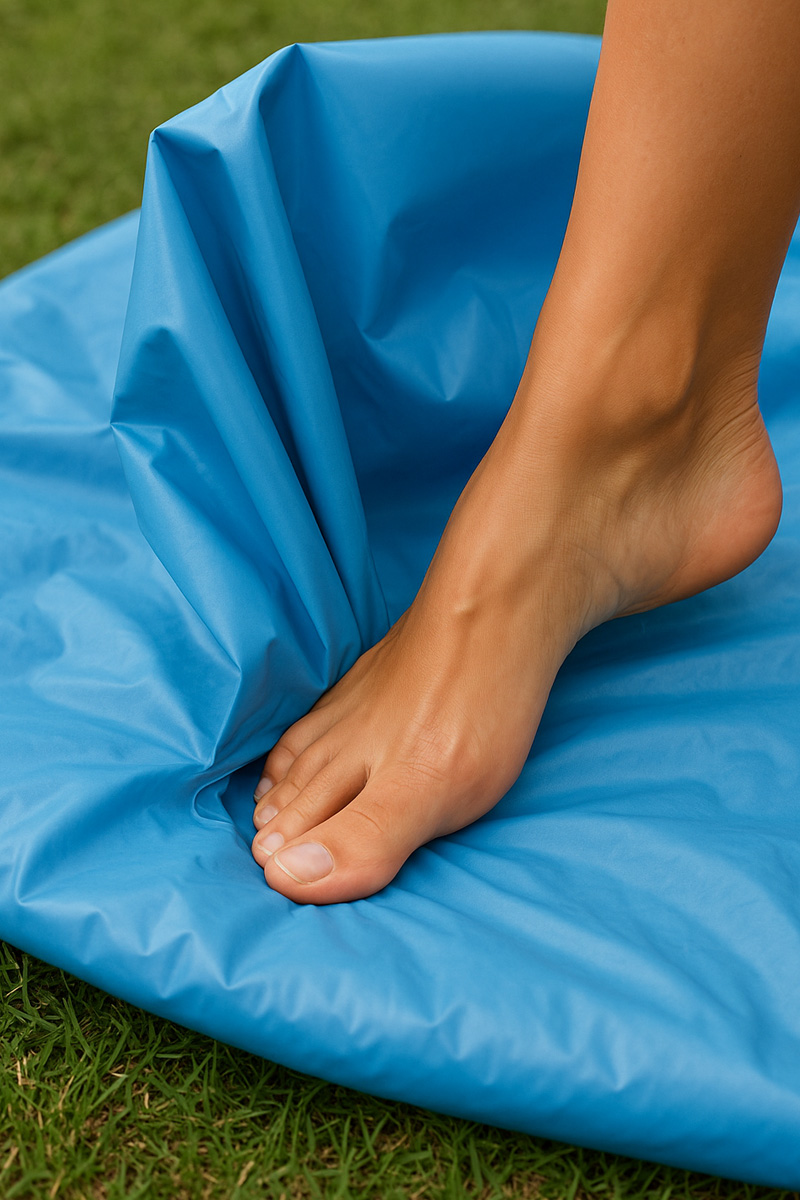
How to Safely Deflate and Dispose of an Inflatable Pool
Inflatable pools should be ripped apart and discarded at the end of the season for hygiene, or sooner if they become damaged. Follow these steps to safely destroy and dispose of them.
Breaking Damaged Toys: Safe, Responsible Methods
Certain toys should be broken for safety before they're discarded. Warning labels printed or embossed on the toy often provide advice if this is required. Foot pressure offers a simple, tool-free and safe solution. Only proceed if you know the material you are dealing with, and if it is safe to do so.

Safety First
Always use controlled pressure and common sense when breaking toys. If plastic is especially tough, brittle or edges risk being sharp, if there could be internal unseen components that can push out, or if there is any potential safety risk, or any doubt at all, wear shoes for extra protection, or use alternative methods altogether. Keep children clear during the process, and take your time - steady pressure is safer than sudden force.
Disposal Tips
If a broken toy is too large to fit in the household bin, it's best to take it to the tip. To avoid drawing attention, you can bag the pieces in sturdy garbage bags or layer them under regular waste until you’re ready to drop them off.
If Breaking Doesn't Work or Isn't Safe
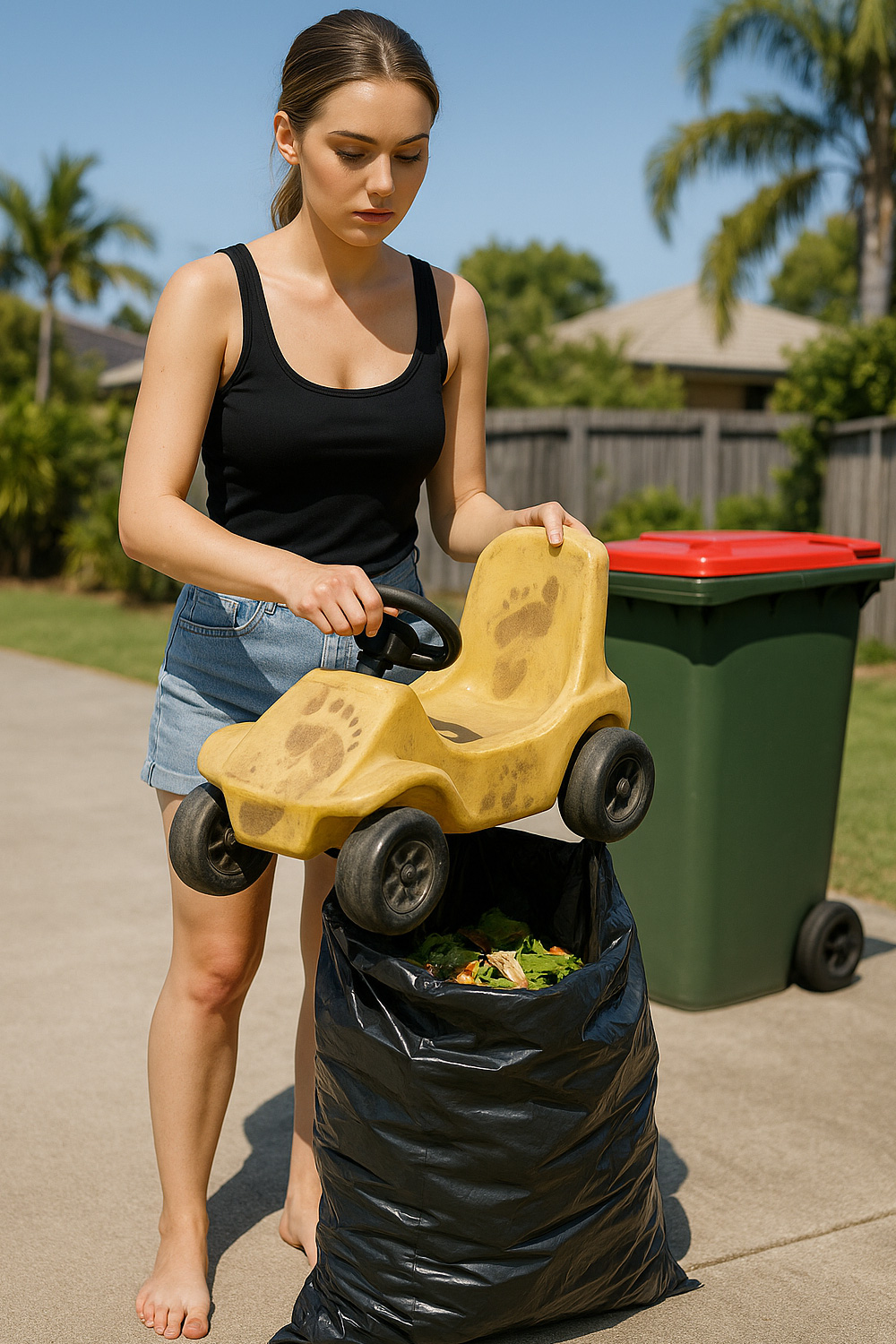
Not every toy can be crushed or broken underfoot - some are simply too tough, awkwardly shaped, are a risky material to step on, or carry a risk of sharp edges and injury. In those cases, there's a backup "last resort" method that still helps reduce the risk of the toy being used again.
Place the toy in a heavy-duty garbage bag and fill it together with regular household waste - food scraps, bathroom rubbish, or other messy contents. By mixing the toy in with unpleasant rubbish and sealing it away, you make it both unappealing and impossible to retrieve or reuse.
Once in the bin, the heat of the sun will cause food scraps and liquids to seep into the toy, further staining and contaminating it, which permanently reduces any chance of reuse.
This approach keeps your household safe, ensures the toy is fully disposed of, and gives you peace of mind that it won’t resurface where it doesn't belong.
You might also like




Disclaimer: Every effort has been made to ensure the accuracy of the information provided, but we make no guarantees regarding its completeness or reliability. The data is presented for general informational purposes only and does not constitute financial, investment, or legal advice. We are not liable for any errors, omissions, or consequences arising from its use. Users should verify details with relevant sources and seek professional advice where appropriate for the most accurate and up-to-date guidance.