From motorways to light rail extensions, infrastructure is one of the biggest forces shaping the Gold Coast property market. Buyers are quick to notice the convenience of new transport links, while investors often watch closely for projects that can open up growth in previously overlooked suburbs. On a fast-growing coastline, the arrival of new infrastructure can change the story of a suburb almost overnight.
It should be noted that this article is for general information only. It's not investment advice, and every buyer, seller and investor has unique circumstances. If you're making property decisions, it's always best to seek tailored guidance from financial and legal professionals.
Why Infrastructure Matters to Property
Property is about more than bricks and mortar - it's about access, lifestyle, and convenience. Infrastructure has the power to reshape how people use and value a suburb. A neighbourhood that once felt distant and inconvenient can suddenly become attractive once a motorway interchange opens nearby, or a light rail station brings the Gold Coast CBD within easy reach.
On the Gold Coast, where lifestyle is often the deciding factor in a purchase, improvements in connectivity can be especially powerful. Buyers are drawn to the idea of a weekend surf at Burleigh followed by an easy tram ride to dinner in Broadbeach, or a family living in Pimpama being able to reach Brisbane without battling gridlock. Infrastructure doesn't guarantee property values will rise, but it can shift demand in a way that alters the local market dynamic.
Transport Projects That Shift the Market
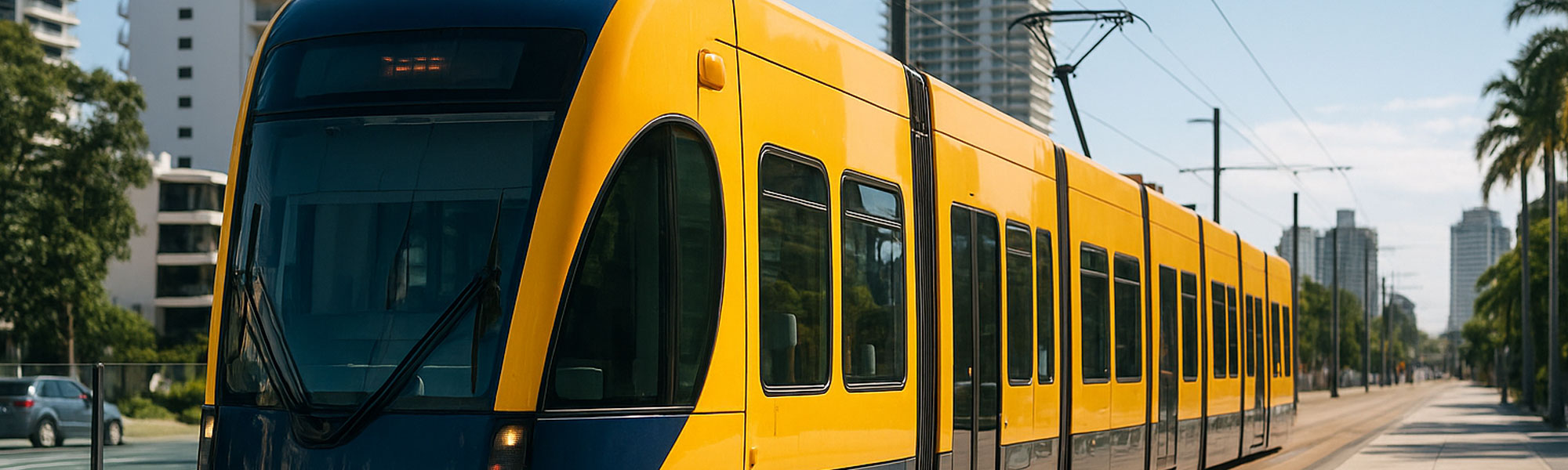
Few types of infrastructure carry as much weight as transport. The Gold Coast Light Rail (G:link) is a prime example. When Stage 1 was launched from Broadbeach to Southport, many doubted whether residents would embrace it. Within a few years, the areas surrounding the G:link corridor began to transform. Apartment living in Southport became more attractive, businesses flourished near stations, and buyers recognised the convenience of a car-free commute. Now, as Stage 3 pushes further south to Burleigh, the same curiosity and optimism is building in suburbs along the route. History suggests that once completed, proximity to a tram stop is likely to be seen as a premium selling point.
The Coomera Connector, often dubbed the "second M1", is another project drawing attention. For years, the northern corridor has struggled with congestion as more families settle in Ormeau, Pimpama and Coomera. The new highway is expected to ease pressure and reduce travel times, which could make these suburbs even more attractive to commuters working in Brisbane. While no one can predict the exact outcome, the promise of easier travel is already shaping conversations among buyers.
Down south, the Gold Coast Airport expansion plans are adding new runways and upgraded facilities. Beyond tourism, this strengthens the appeal of surrounding suburbs like Tugun, Bilinga and Coolangatta, where both investors and lifestyle buyers see the benefit of improved connectivity with interstate and international destinations.
Beyond Roads and Rail
Infrastructure isn't only about transport. Schools, hospitals, shopping centres and cultural hubs also play a role in reshaping suburb desirability. The expansion of Griffith University and the adjacent Gold Coast University Hospital created an entire knowledge and health precinct in Southport, drawing students, professionals, and medical staff to live nearby.
Retail development tells a similar story. Robina Town Centre's expansion shifted Robina's profile from just another residential suburb to a major lifestyle hub with shopping, dining and entertainment at its heart. Nearby, Varsity Lakes benefited as well, with young professionals drawn to the idea of living close to both a university and a thriving retail centre.
Even smaller upgrades matter. A new surf lifesaving clubhouse, cycleway, or waterfront park can add value to a community by improving daily lifestyle. Buyers often talk about a "feel" for a suburb, and these smaller investments shape that perception in subtle but meaningful ways.
Short-Term Disruption, Long-Term Gain
It's important to remember that infrastructure can cut both ways in the short term. Construction brings noise, road closures, and disruption. For sellers near a major worksite, this can be a temporary hurdle. Yet once a project is completed, those same streets often enjoy improved amenity and convenience. Buyers are generally willing to look past the temporary inconvenience once the benefits become clear.
This lag effect explains why infrastructure is best thought of as a long-term influence rather than a quick fix. The real value emerges once the community begins to use and rely on the new service.
Lessons From the Past
Looking back at the Gold Coast Light Rail's first stage gives a practical example. Before the light rail project, Southport was often considered by many as tired and congested. After the service came online, the suburb attracted fresh investment, new apartments, and a younger demographic who valued car-free living.
Similarly, the Pacific Motorway's upgrades over the past two decades have had ripple effects across the Coast. Suburbs that once felt isolated, like Upper Coomera, became genuine commuter options as travel times improved. These shifts were gradual but noticeable.
What Buyers Should Keep in Mind
For buyers, infrastructure can be a signal to think about how daily life might improve. A shorter commute, better access to schools, or easier transport for teenagers can be compelling. That said, it's unwise to base a decision solely on promises of future projects. Plans can change, and not every announced development is delivered on schedule. Buyers are best served by looking at what already exists, then weighing potential projects as a bonus rather than a guarantee.
What Sellers Can Do
For sellers, mentioning nearby infrastructure in marketing can be effective, provided it's accurate and not overstated. A home within walking distance of a future light rail stop is worth highlighting, but it's safer to phrase it as "planned" or "proposed" rather than presenting it as a certainty, given that infrastructure plans can always be subject to change. Framing it around lifestyle works well: "enjoy the convenience of the upcoming light rail connection" rather than "property values will rise once the light rail arrives."
The Investor Perspective
Investors often keep a close eye on infrastructure projects, but timing is everything. Buying too early can mean years of holding costs before the benefits arrive, while waiting until completion may see prices already adjusted. Because there's no one-size-fits-all strategy, infrastructure should be considered one factor among many - alongside rental yields, vacancy rates, and broader market trends.
The Bigger Picture
Infrastructure shapes communities. It changes how people move, shop, work and relax. On the Gold Coast, where lifestyle is central to the property story, these changes can be especially influential. From the light rail running through the city's heart to the new motorway cutting travel times from the north, the projects underway today will help define the suburbs of tomorrow.
For buyers, sellers and investors, the message is simple: consult your financial advisor for professional advice for your circumstances, stay informed, stay realistic, and remember that infrastructure is just one piece of the property puzzle.
You might also like





Disclaimer: Every effort has been made to ensure the accuracy of the information provided, but we make no guarantees regarding its completeness or reliability. The data is presented for general informational purposes only and does not constitute financial, investment, or legal advice. We are not liable for any errors, omissions, or consequences arising from its use. Users should verify details with relevant sources and seek professional advice where appropriate for the most accurate and up-to-date guidance.