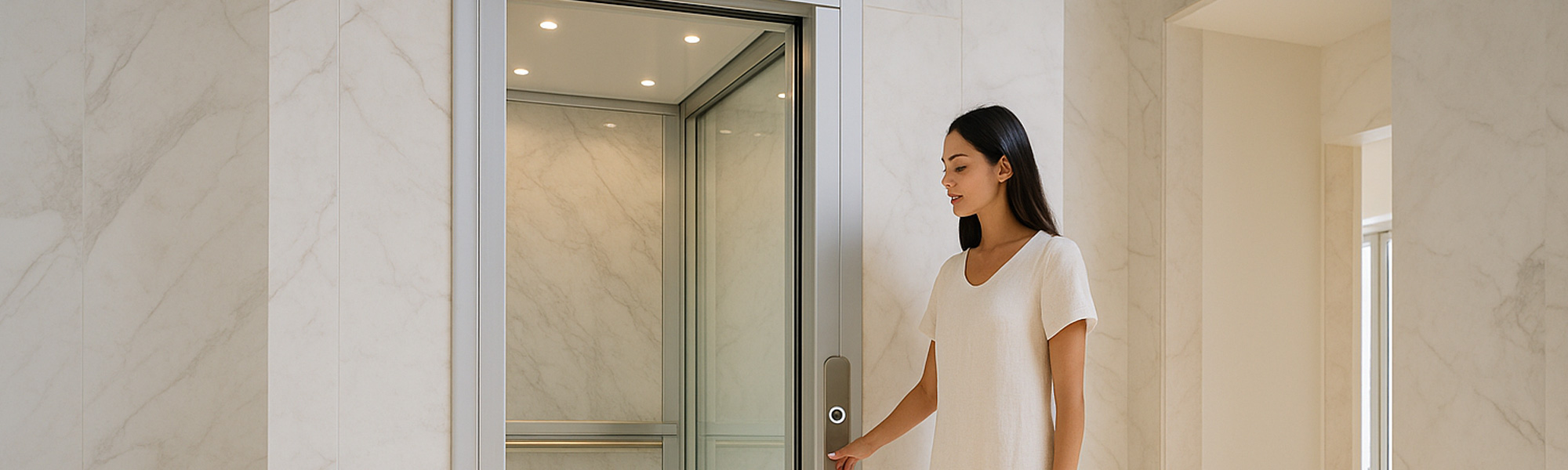
Installing a home lift is no longer a luxury reserved for grand designs - it's fast becoming a practical and elegant way to future-proof modern living. More homeowners are discovering that a lift isn't simply about convenience, but about creating ease, independence, and long-term comfort within their existing walls.
Across the Gold Coast, multi-level homes are a way of life, built to chase views, breezes, and space. Adding a lift brings those levels closer together, turning what was once a daily climb into a smooth connection. It's a change that quietly transforms how a home feels - less about mechanics, more about movement, balance, and the freedom to live well at every age.
Rising Gracefully
Adding a lift to a home used to feel like a luxury reserved for mansions and multi-level penthouses. Today, it's becoming one of the most practical and future-minded upgrades homeowners can make. As design technology has evolved, so have the reasons people install them - comfort, accessibility, ageing in place, and even adding architectural value.
Across the Gold Coast, where homes are often built on sloping blocks, over garages, or in multi-storey coastal designs, lifts are quietly transforming convenience and lifestyle. A well-chosen system doesn't just move people; it changes how a home functions, linking levels with ease and flow rather than stairs and compromise.
The Modern Home Lift
Today's residential lifts are sleek, quiet, and designed to integrate seamlessly into living spaces. Gone are the bulky shafts and clunky doors of decades past. Modern models come with minimal footprints, clean lines, and soft-touch operation. Many can fit within the corner of a stair void, between existing rooms, or in outdoor shafts that blend into the façade.
Glass-sided lifts have become particularly popular in contemporary homes, letting in light and views. Hydraulic, traction, and pneumatic systems each offer distinct advantages. Hydraulic lifts suit larger loads and smooth rides, while traction lifts provide efficiency and low power use. Pneumatic, or air-driven, lifts work beautifully for retrofits - lightweight, compact, and free from heavy pit requirements.
Planning Early, Planning Smart
Installing a lift is a structural conversation as much as it is a lifestyle one. Ideally, it's planned during a build or renovation phase, allowing framing, shaft size, and electrical needs to be integrated naturally. But even in existing homes, modern systems make retrofitting surprisingly achievable.
A builder or architect can help assess the best location - often adjacent to a staircase or aligned vertically with closets or laundries for minimal disruption. The goal is always the same: keep movement natural, with doors that open where you live, not where you detour.
Lighting, air circulation, and finishes matter as much as mechanics. Soft LED lighting, neutral tones, and materials that echo the home's palette make the lift feel intentional rather than industrial. The most successful installations are those that disappear into the design - not as an add-on, but as a built-in rhythm of the home.
Lifestyle and Accessibility
For many, the decision to install a lift comes from a desire to stay in their home long-term. Ageing in place, caring for relatives, or simply wanting easier access between floors are strong motivators. A lift can turn a multi-level property into a lifetime home, removing barriers that stairs might one day present.
Families with small children, groceries, or beach gear also quickly realise how practical it becomes. No more hauling prams, shopping, or boxes upstairs - it's a small change that alters everyday convenience in big ways. For some properties, especially those built on elevated blocks or steep lots, a lift can even provide direct access from garage to living area, keeping everything smooth and secure.
Space and Design Integration
One of the most exciting shifts in home lift design is how beautiful they've become. Transparent glass shafts complement minimalist homes, while timber cladding and matte finishes blend into more organic interiors.
Some homeowners position lifts as architectural statements - cylindrical glass capsules in sunlit atriums or tucked elegantly beside a feature staircase. Others prefer discretion, using enclosed shafts with concealed doors that match surrounding walls. Either approach can work perfectly when the finishes speak the same design language as the rest of the home.
In larger homes, dual access on each level can make movement seamless from garage to kitchen, or from master bedroom to outdoor entertaining area. Careful positioning turns a lift into part of the home's internal choreography, guiding light and movement vertically instead of horizontally.
Outdoor and Semi-External Options
For homes built into slopes or with upper-storey entries, outdoor or semi-external lifts provide a clever solution. These weather-resistant units can sit beside decks, carports, or garden pathways, enclosed in glass or polycarbonate to protect from salt and rain. They're particularly useful on the Gold Coast where many properties are elevated for views or flood considerations.
External lifts also make properties more accessible for visitors and future buyers, subtly enhancing resale appeal. When designed thoughtfully - with matching cladding, landscaping, and lighting - they feel like architectural features, not mechanical add-ons.
Energy and Maintenance
Today's lifts are surprisingly efficient. Many models run on standard single-phase power and include standby modes that draw minimal energy when idle. Traction systems often use counterweights to reduce strain on motors, while hydraulic systems now come with eco-friendly fluid options.
Routine maintenance is simple - annual or semi-annual servicing keeps everything safe and quiet. Lifts are subject to Australian Standard AS 1735, ensuring strict design and safety compliance. Homeowners should always confirm that their installer provides certification, warranty coverage, and after-sales service from a recognised Australian supplier.
Value and Future Proofing
Adding a lift isn't only about convenience - it's a clear investment in accessibility and future resale. Multi-level living can deter buyers as demographics age, but a lift eliminates that barrier entirely.
In high-end homes, it's also a design statement that reinforces prestige and usability. A lift subtly signals longevity and forethought - the kind of comfort-focused detail that appeals to downsizers and families alike. For homes near the water or on elevated land, it can even enhance insurance appeal, allowing safe access in changing weather conditions.
The Feel of Effortless Living
What makes a lift transformative isn't just motion; it's what it represents - ease, continuity, and foresight. A home lift changes the rhythm of daily life, keeping movement natural and comfortable. It's a reminder that good design anticipates the future rather than reacting to it.
Like great stairs or open-plan flow, a lift becomes part of the story of how a home adapts and evolves with its owners. Quiet, seamless, and beautifully integrated - it's not just a sign of luxury, but of a home designed to last.
You might also like





Disclaimer: Every effort has been made to ensure the accuracy of the information provided, but we make no guarantees regarding its completeness or reliability. The data is presented for general informational purposes only and does not constitute financial, investment, or legal advice. We are not liable for any errors, omissions, or consequences arising from its use. Users should verify details with relevant sources and seek professional advice where appropriate for the most accurate and up-to-date guidance.