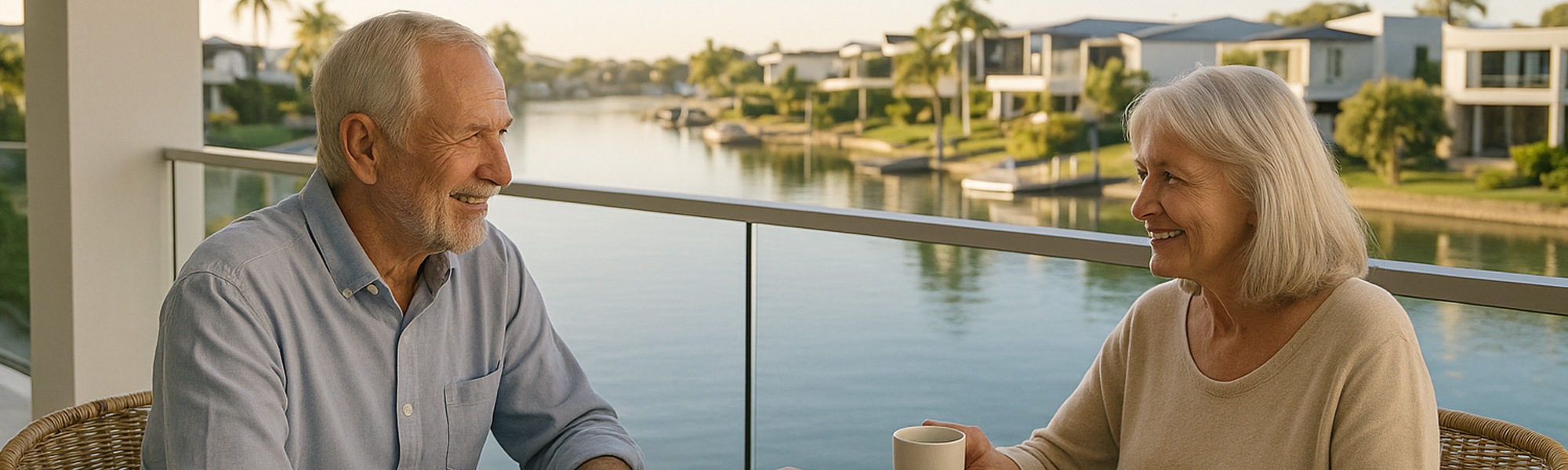
Australia's population is getting older, and with that shift comes a renewed focus on how homes can support long, healthy and independent living. Whether someone is planning ahead, caring for ageing parents or retrofitting an existing home for greater comfort, the design choices made now shape quality of life for decades. A well designed home for older people is not about institutional function but about comfort, safety, dignity and everyday ease. It anticipates future needs without erasing personality or style. It allows people to stay connected to their own routines, their communities and their sense of control over daily life.
Thoughtful design is not limited to ramps and handrails. It is a holistic reshaping of the way a home feels and functions. Every doorway, surface, light switch, storage nook and piece of furniture contributes to a home that either empowers someone or slowly erodes their independence. The best homes do not announce themselves as “accessible” but simply feel calm, intuitive and welcoming to everyone.
The Importance of Movement and Flow
Movement inside the home becomes more meaningful as people age. A smooth, uninterrupted flow from room to room helps reduce fatigue and prevents small obstacles from becoming hazards over time. Wide hallways benefit those with mobility aids but they also create a sense of openness and ease. Doorways that allow free movement without the shoulder-checking that narrower openings demand remove stress from simple daily actions.
Floor transitions matter enormously. Even a small step or ridge between areas can create a trip point. Continuous surfaces encourage natural movement through the home without constant subconscious checking of one's footing. Timber, vinyl planks or polished concrete are often chosen for their low-maintenance qualities, but what matters most is that they are even, warm underfoot and not glossy to the point of causing slips. Soft edges on transitions between materials also help guide movement gently rather than abruptly.
Kitchens and bathrooms are often the rooms with the most movement complexity, from reaching into cabinets to navigating around benches and appliances. The layout should minimise twisting or excessive reaching. Turning circles large enough for mobility devices preserve independence even if they are not needed immediately. Homes that offer these spaces from the outset avoid expensive renovations down the track.
Lighting That Supports Vision, Calmness and Daily Function
As eyes age, light becomes both more necessary and more sensitive. A well designed home for older adults balances brightness with softness. Natural light is valuable, especially when diffused through sheer curtains that cut glare without darkening the room. Window placement that floods the core of the home with daylight not only supports visibility but also lifts mood and anchors daily routines. The morning sun in the kitchen can gently set the tone for the day, while a softly lit living room encourages calm enjoyment of the evening.
Artificial lighting must be layered. Ambient light provides general visibility, task lighting ensures clarity for cooking or reading, and small guiding lights reduce nighttime hazards. The goal is to remove deep shadows and sharp contrasts that make navigating a room more difficult. Motion-activated lighting along hallways, inside wardrobes or within bathrooms can transform nighttime movement from a hesitant shuffle into a confident walk.
Switch placement contributes to comfort more than many people expect. Larger rocker or push-plate switches are easier to operate than small toggles. Installing switches at waist height allows easy access whether standing or seated. These small adjustments prevent strain and add predictability to everyday interactions with the environment.
Bathrooms Designed for Safety, Comfort and Dignity
Bathrooms are one of the most important rooms in age friendly homes. They must feel safe without feeling clinical. Non-slip flooring is essential, not as an add-on but as a core design feature. Textured porcelain tiles or matte finishes reduce the risk of slipping when water is on the floor. Curbless showers eliminate step-overs, create visual openness and make the space easier to clean.
Shower benches support people who prefer to sit while bathing or who may need to at times. They also add comfort for anyone who wants to take their time. Grab rails positioned with intention along shower walls and next to toilets provide stability without dominating the look of the room. Modern rails come in elegant finishes and shapes that blend seamlessly with contemporary design.
Storage is particularly important. Toiletries, towels and cleaning items should be reachable without bending, climbing or stretching. Wall niches in showers reduce clutter. Vanity drawers that slide out fully bring items into easy reach, eliminating the awkward bend into a deep cabinet.
Temperature control adds another layer of safety. Mixer taps with clear markings allow precise adjustment, while thermostatic valves prevent sudden hot-water surges. Heated towel rails and underfloor heating remove the chill that can be uncomfortable for ageing joints.
Kitchens That Support Independence
Kitchens are social and practical spaces, and for older people they need to be both accessible and clutter free. Bench heights that suit posture and movement reduce strain on shoulders and lower backs. Some households choose adjustable-height islands or multi-level benches to support different users.
Drawers outperform deep base cabinets because they bring items outward rather than requiring someone to reach inward. A drawer full of pots and pans becomes a single smooth action instead of a heavy lift. Wall cabinets with pull-down shelving systems bring upper storage to a reachable height, combining modern engineering with effortless use.
Appliance placement has a major impact on safety. Wall mounted ovens avoid the bending and lifting associated with low, under-bench units. Induction cooktops reduce burn risks and shut off automatically if left unattended. Refrigerators with side-by-side doors or drawers make everyday access easier.
Clear, unobstructed bench surfaces allow older adults to organise their cooking comfortably. The kitchen layout should minimise the need to move heavy items across long distances. Grouping the sink, cooktop and preparation areas into an easy, comfortable triangle allows movement that feels natural rather than tiring.
The Bedroom as a Supportive Resting Space
The bedroom becomes a refuge where the day begins and ends. It should feel peaceful and effortlessly usable. Bed height is more important than many people realise. A bed that is too low can make standing difficult, while a bed that is too high can make sitting down awkward or unstable. The ideal height allows someone to sit with both feet firmly on the floor and stand confidently.
Lighting is crucial here as well. Soft, indirect lighting that can be reached from the bed reduces the risk of fumbling in the dark. Pathway lighting from the bedroom to the ensuite or hallway supports safe nighttime movement.
Storage should not require climbing or heavy lifting. Wardrobes with wide doors, low hanging rails and pull-out baskets keep clothing within comfortable reach. Seating near the wardrobe helps with dressing without strain or imbalance.
Outdoor Areas That Encourage Movement and Joy
Outdoor living is one of the greatest pleasures of life in Australia, and it should be easily enjoyed at every age. Gentle gradients rather than steps provide access to gardens, patios and washing lines. Non-slip paving materials remain safe even when wet or covered with leaf litter.
Raised garden beds allow older residents to continue gardening without kneeling or bending deeply. Comfortable outdoor seating at a pleasant height ensures that the garden remains a relaxing retreat rather than a space that feels physically demanding.
Shade is essential. Older skin can be more sensitive to the sun, so pergolas, umbrellas or covered patios extend the time people can comfortably be outside. Sliding or stacking doors that open wide between indoor and outdoor areas create a seamless flow and minimise trip hazards.
Smart Home Technology That Simplifies Life
Smart home technology has matured to the point where it can meaningfully support older adults without feeling intrusive. Voice activation allows control of lights, air conditioning, blinds and televisions without needing to move across the room. Video doorbells provide peace of mind when answering the door. Smart security systems can be tailored to activate automatically upon leaving or arriving home.
Sensors in bathrooms or hallways can gently illuminate areas when movement is detected. Smart plugs can turn off appliances at night or after a preset time. Home hubs can serve as reminders for medication or appointments. These technologies are most effective when they feel like natural extensions of everyday routines rather than tools that must be learned or managed.
Furniture That Supports Balance and Comfort
Furniture arrangement has a subtle but powerful influence on safety. Walkways should be clear, generous and free of narrow pinches that force someone to sidestep tightly around a piece of furniture. Chairs with sturdy armrests help with sitting and standing. Sofas with firm cushions prevent deep sinking that makes rising difficult.
Contrast between furniture and flooring helps older eyes distinguish depth and edges. Rounded corners reduce accidental bruising. Even the choice of fabrics can matter, with materials that offer grip rather than slippery textures supporting stability while sitting.
Entryways That Offer Safety and Ease
A home's entrance sets the tone for all movement. It should allow someone to arrive with bags, walking aids or groceries without struggling. Flush thresholds, weather-protected entries and slip resistant surfaces help prevent falls. An entry shelf for keys, phones or parcels reduces the strain of carrying items deeper into the home before being able to set them down.
Some older people appreciate a small bench near the door where they can sit briefly to put on or remove footwear. Clear lighting and good visibility between the entrance and main living areas help create a sense of calmness and security upon arrival.
Future-Proofing a Home Before Mobility Changes Arrive
One of the great misunderstandings in home design is the belief that modifications should occur only after mobility becomes difficult. In reality, the most successful homes for older people are the ones that anticipate future needs well in advance. Designing with the future in mind means making the home adaptable rather than reactive.
Placing structural support within walls during renovations allows handrails or lifts to be added easily later on. Choosing wider doorways early saves the cost of reframing in the future. Opting for open plan bathroom layouts or reinforced shower walls avoids reconstructing rooms once changing physical needs arise.
Future-proofing can also mean planning for live-in carers, visiting family or supportive technologies that might become part of life. Homes with flexible spaces allow bedrooms to become study spaces and later revert to bedrooms if required. A garage or utility room may one day become a semi independent living area for a visiting nurse or family member.
Emotional Wellbeing and the Power of Feeling at Home
Design is not only about function. It is about emotional comfort, privacy, pride and identity. Older people flourish when they feel in control of their environment. Being able to open a window, sit in a favourite chair, reach a beloved bookshelf or enjoy the familiar view of their garden feeds a deep sense of continuity.
Homes should feel personal. Artwork, photographs and meaningful objects should remain easily visible rather than stored away for safety. Display shelves with secure edges allow older residents to surround themselves with the things they love without risk of items falling. Warm colours and soft textures can encourage relaxation and reduce stress.
Feeling connected to the neighbourhood also plays a role. Homes with outdoor seating near the front, or clear sightlines to the street, maintain a sense of community. Even small design choices, such as placing a window where natural foot traffic passes, can help older people feel part of the broader world rather than isolated from it.
The Goal: A Home That Gives Strength, Not Takes It Away
Designing for older adults is an act of respect. It acknowledges the value of independence and the desire to stay in familiar spaces for as long as possible. A well designed home reduces the cognitive load of everyday tasks. It empowers physical movement, protects safety, and nurtures emotional wellbeing. It evolves with its residents, not against them.
For some people, adjustments will be small. For others, entire areas of the home may be reconfigured to provide long term comfort. What remains constant is the principle that a home should support strength, stability and dignity. The best accessible homes are simply good homes. They are functional, beautiful and quietly thoughtful, designed not to highlight limitations but to celebrate life at every age.
You might also like




Disclaimer: Every effort has been made to ensure the accuracy of the information provided, but we make no guarantees regarding its completeness or reliability. The data is presented for general informational purposes only and does not constitute financial, investment, or legal advice. We are not liable for any errors, omissions, or consequences arising from its use. Users should verify details with relevant sources and seek professional advice where appropriate for the most accurate and up-to-date guidance.