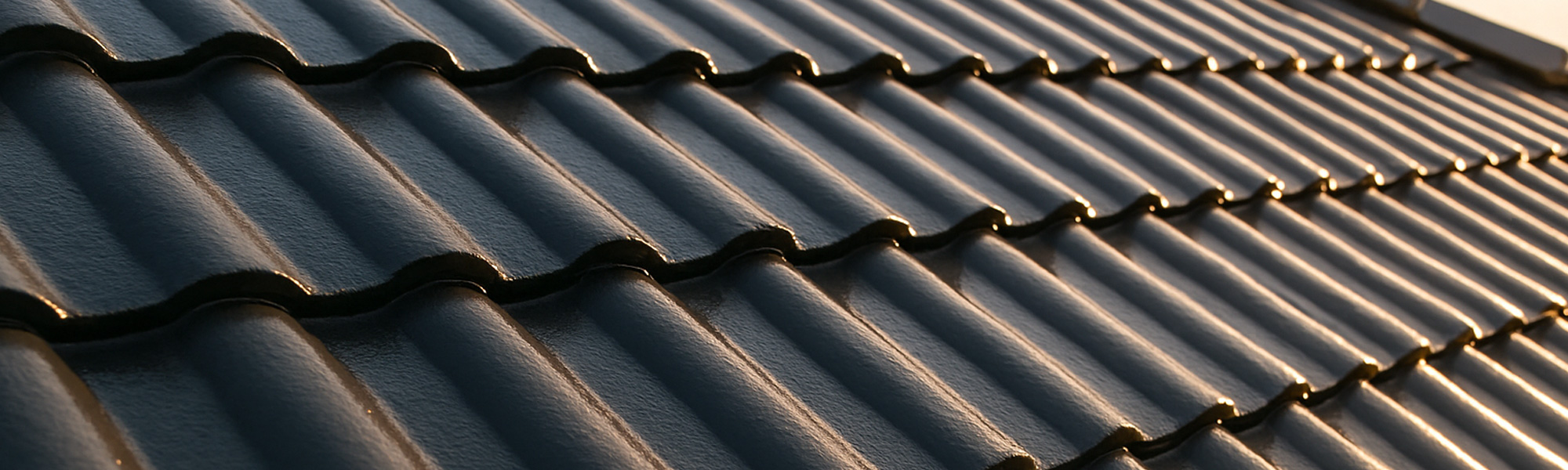
A well-maintained roof is one of the quiet forces that keeps a home resilient. It shelters the structure below, protects interior finishes from moisture, stabilises indoor comfort and supports the entire lifespan of the property. When the roof is neglected, the signs often appear slowly before accelerating into problems that are far more disruptive and expensive than regular care would ever be. A routine maintenance approach keeps the surface healthy, preserves the appearance of the home and extends the life of the materials.
The Importance of Keeping the Roof Clean
Roofs naturally accumulate debris. Leaves settle into valleys, twigs work their way under tiles and dirt slowly collects across the surface. Over time, this build-up becomes more than cosmetic. Leaves trap moisture, which encourages mould, algae and bacterial growth. Twigs can interfere with drainage paths and allow water to be diverted into areas where it shouldn't be. Dirt can reduce the reflective properties of lighter coloured roofs, making the home warmer inside.
A thorough clean removes these problems before they take hold. High-pressure washing is common for robust roof materials, while gentler washing solutions are used on more delicate surfaces. Clearing the gutters is just as important because even a minor blockage can cause water to back up, overflow and find its way into eaves or ceiling cavities. The clean roof looks better, lasts longer and performs more predictably during heavy rain.
Moss, Lichen and Algae Control
Moisture and shade are the main drivers of unwanted growth on a roof. Moss tends to flourish in cooler, damp sections, while lichen attaches more firmly and can gradually erode surface coatings if left unchecked. Algae can spread across large patches, leaving dark streaks that trap extra heat. Regular cleaning controls the spread, but sometimes an additional treatment is needed.
Specialised roof-safe solutions break down biological growth without damaging tiles or metal panels. Once applied and rinsed away, the roof surface dries more quickly after rain, slowing the return of moss and lichen. These treatments preserve the material beneath the growth and can add years to the roof's appearance and structural integrity.
Re-Sealing and Restoring the Surface
Every roof material has its own protective layer. Concrete tiles rely on their surface coating, terracotta tiles have a natural glaze and metal roofing uses durable factory finishes. Over time, these surfaces lose some of their strength. Sun exposure can dull the colour, and wind-driven salt particles can wear away protective films.
Resealing brings the roof back to a healthier state. After cleaning, a fresh coat of sealant restores surface hardness and creates a water-resistant barrier. This helps prevent micro-cracking, reduces moisture absorption and improves the roof's resistance to temperature swings. Resealing also lays the foundation for painting, ensuring the new colour bonds properly and lasts.
When Painting Becomes Part of Maintenance
Painting a roof is more than a cosmetic upgrade. It strengthens the weather protection and refreshes the home's overall look. Modern roof paints offer UV resistance, dirt-shedding properties and heat-reflective options that help moderate indoor temperatures during summer. Before painting, the roof must be cleaned, repaired and primed correctly. Skipping any step can lead to peeling, premature fading or uneven coverage.
A fresh coat revives the home's street appeal. The colour can be matched to new exterior trims, landscaping or architectural upgrades, tying the whole property together with a cohesive finish. Roof painting is often timed with broader renovations because it makes such a noticeable difference to the overall aesthetic.
Repairing Tiles, Sheets and Flashings
Maintenance also means identifying and fixing small issues before they turn into major problems. A cracked tile may not leak immediately, but it allows water to seep into the bedding below, where it slowly weakens the structure. Metal sheets rarely fail suddenly, but minor corrosion can spread and weaken areas around screws and overlaps. Flashings around chimneys, skylights and roof penetrations can lift slightly over time, opening the path for wind-driven rain.
Routine inspections during cleaning or painting reveal these issues early. Replacing individual tiles, tightening loose screws, re-seating flashings or applying rust-treatment solutions restore the roof's integrity. The goal is always the same: keep water out and ensure the roof expands and contracts cleanly with changing temperatures.
Caring for Gutters and Downpipes
The roof and guttering system work together. If gutters are blocked, rusted or sagging, they fail to direct water safely away from the house. Downpipes can become partially obstructed with organic matter, causing water to backfill during heavy rain. This undermines the surrounding soil, stains the exterior walls and in severe cases allows moisture to enter the structure.
Maintenance involves clearing debris, inspecting for rust and ensuring brackets hold the gutters at the correct fall. Repainting or re-coating metal gutters protects against corrosion, while replacing failing sections prevents more serious damage to the roofline and eaves.
Ventilation, Insulation and Heat Management
A roof performs best when the space beneath it is stable and dry. Ventilation helps remove heat and moisture from the roof cavity, slowing the growth of mould and reducing strain on the roofing materials. Insulation plays its part by keeping indoor temperatures more consistent and reducing the frequency of extreme heat cycles in the roof structure.
Maintenance includes checking vents for blockages, ensuring insulation remains evenly spread and confirming that exhaust fans are vented to the outside, not into the roof cavity. Small adjustments make a big difference to how the roof ages and how comfortable the home feels.
Long-Term Protection and Professional Support
Some roof maintenance tasks are simple for homeowners, while others require professional experience and safety equipment. Regular inspections, either annually or seasonally, help maintain a clear picture of the roof's condition. This makes it easier to budget for repainting, resealing or structural repairs long before any urgent problems appear.
A well-maintained roof rewards the homeowner with fewer surprises, lower repair costs and a cleaner, sharper façade. It holds its value, strengthens the property's long-term durability and contributes to the overall comfort of the home. With consistent care, the roof remains one of the most reliable components of the entire structure, standing up to heat, storms and seasonal cycles year after year.
You might also like





Disclaimer: Every effort has been made to ensure the accuracy of the information provided, but we make no guarantees regarding its completeness or reliability. The data is presented for general informational purposes only and does not constitute financial, investment, or legal advice. We are not liable for any errors, omissions, or consequences arising from its use. Users should verify details with relevant sources and seek professional advice where appropriate for the most accurate and up-to-date guidance.