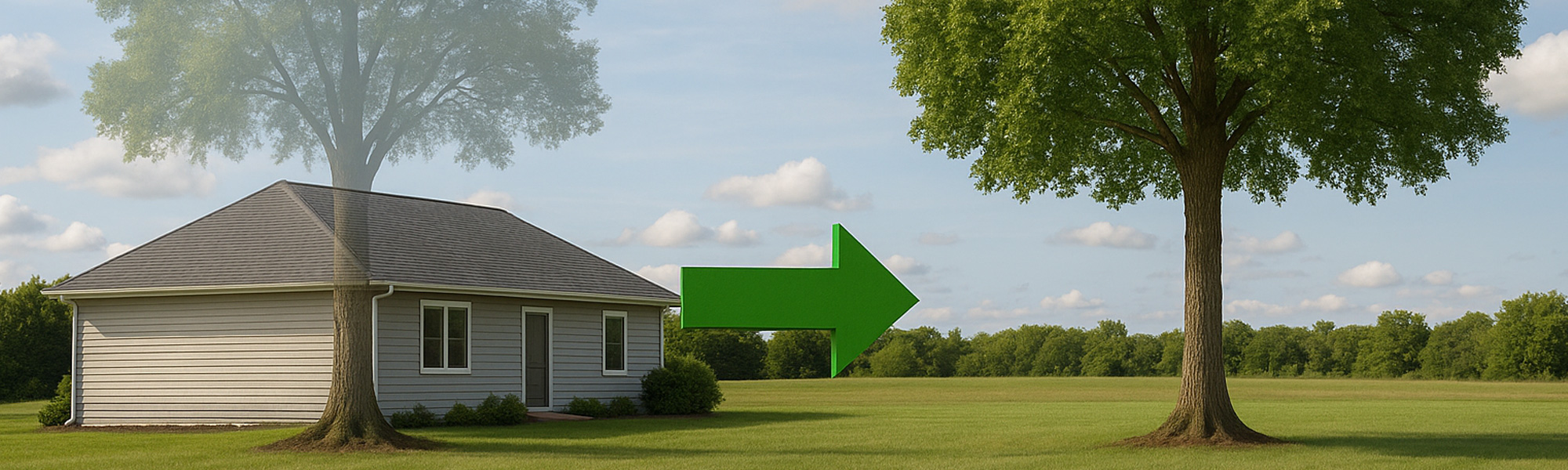
For many homeowners, cutting down a mature tree feels like erasing decades of quiet growth. The shade, the privacy, the shape that anchors a garden - gone in an afternoon. But what if you could simply move the tree instead of losing it?
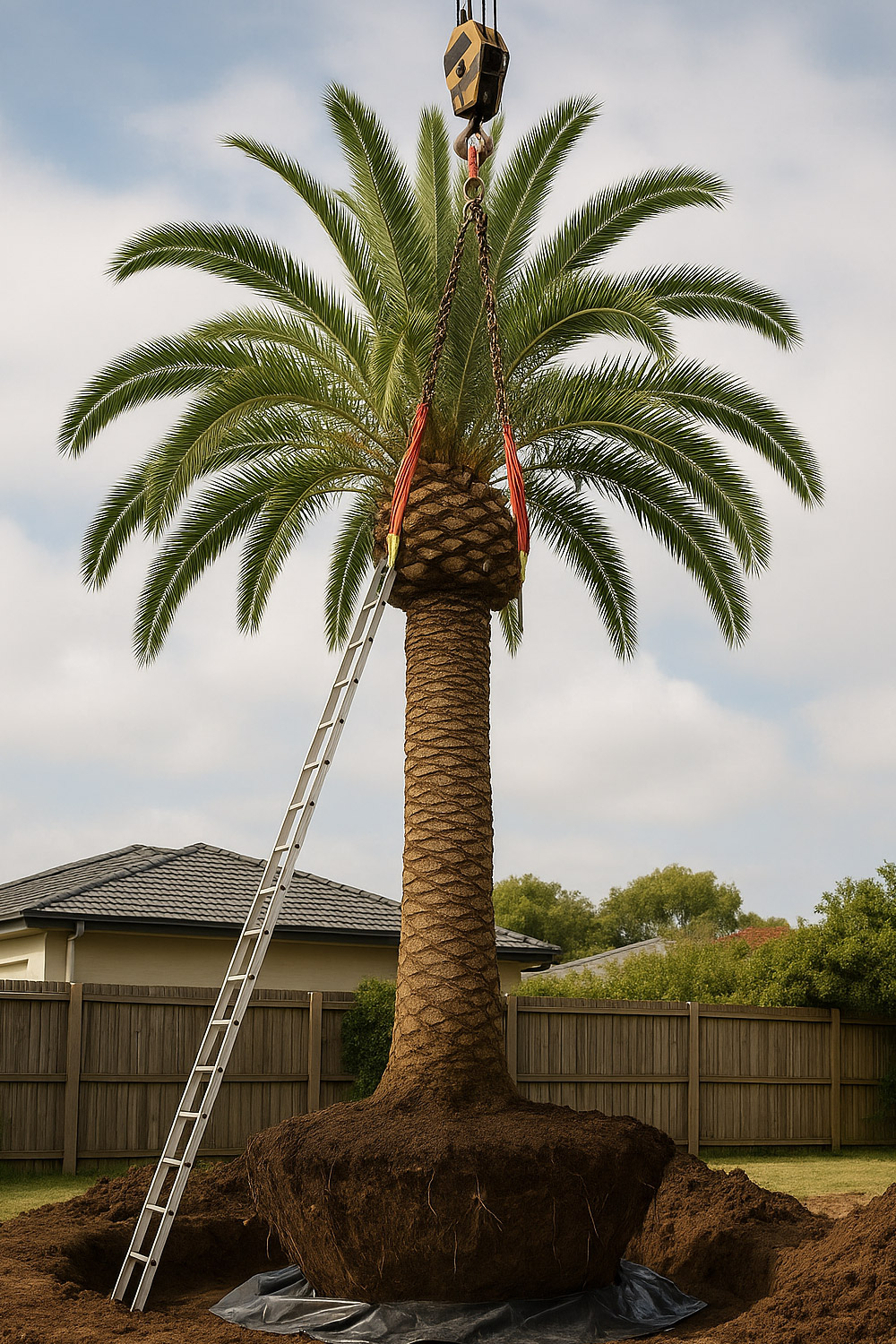
That's where tree transplantation comes in - the art and science of carefully lifting a mature tree, roots and all, and giving it a new home. Once reserved for large estates and botanic gardens, the practice has become increasingly common on residential properties, where established trees add beauty, shade, and long-term value. With modern, state-of-the-art equipment and skilled arborists, even towering palms and large fig trees can be relocated successfully, preserving years of natural growth that would otherwise be lost.
And as demand has grown, so too has efficiency. The process is becoming faster, easier, and less expensive than most homeowners might imagine - turning what was once a rare specialist service into an increasingly common and practical option for anyone wanting to save a mature tree.
Why Mature Trees Are Worth Saving
A mature tree can instantly lift the value and appeal of a property. Large canopy trees bring shade and birdlife, frame architecture, and make a new build feel settled and established. In real estate terms, that's called street presence - and it can add serious emotional (and often financial) weight to a home's first impression.
When development or landscaping plans clash with existing greenery, transplantation offers a rare win-win: the project proceeds, and the tree lives on.
A Practice Rooted in History
Tree transplantation isn't new. In Japan, gardeners have perfected the art for centuries, reshaping entire landscapes while preserving aged pines and maples. In parts of the Middle East, large palms and date trees have been relocated as symbols of prosperity, often moved to courtyards and entryways to mark new beginnings.
Across Europe too, aristocratic estates once employed teams whose sole role was to move and re-establish mature trees - long before cranes and hydraulic spades existed.
How Tree Transplantation Works
At its core, transplantation is about moving the root ball intact and keeping the tree alive during and after the shift.
The process usually unfolds in stages:
- Preparation - The tree is assessed for species, size, health, and suitability. Its roots may be "pre-cut" months before the move to encourage compact feeder growth close to the trunk.
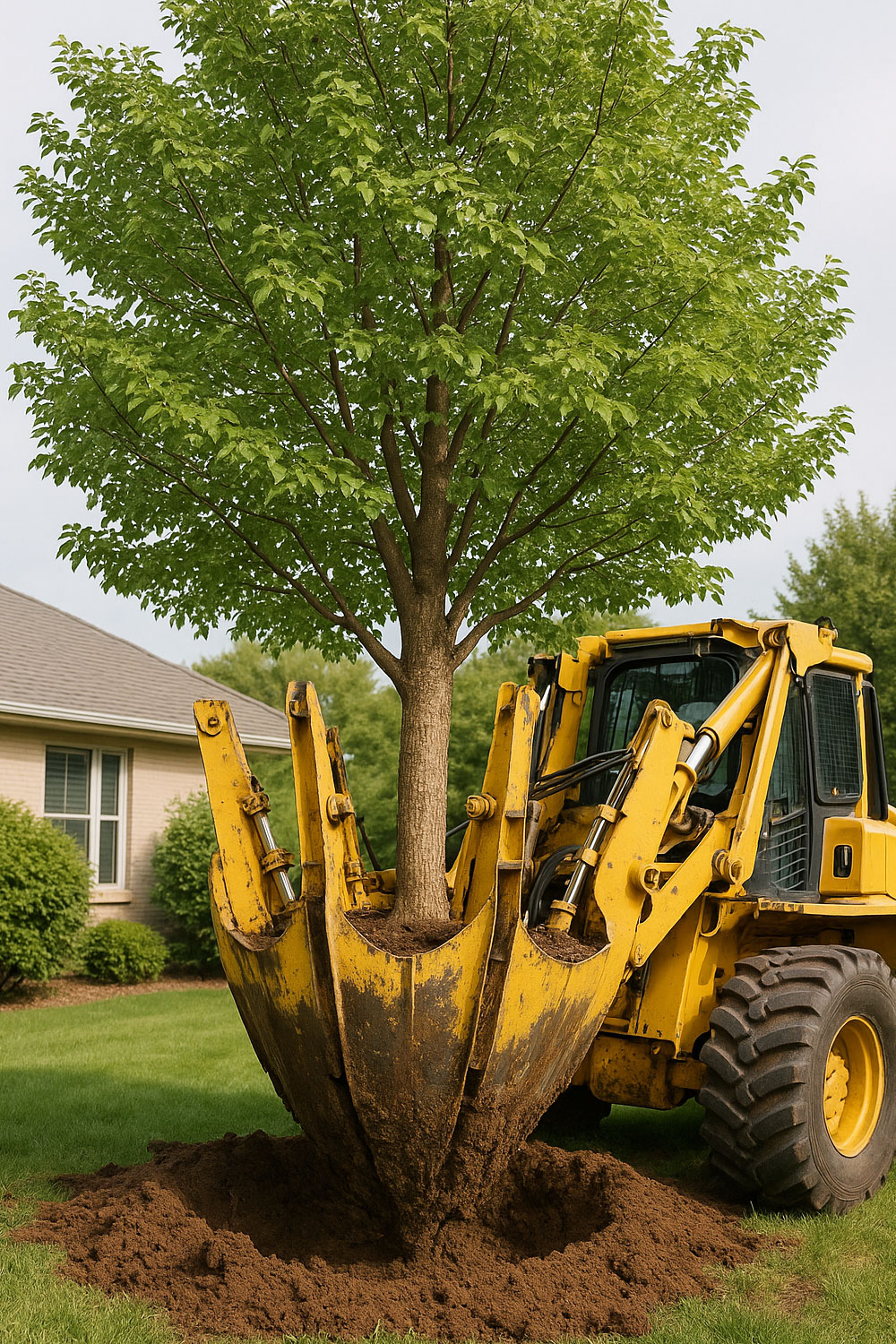
- Lifting - Heavy-duty spades, slings, or cranes lift the root ball with surrounding soil. The root zone is wrapped and secured to prevent damage.
- Transport - Depending on the distance and tree size, the relocation might involve only small lifting equipment or an overhead crane for on-site moves, while longer journeys may require purpose-built transport vehicles to keep the root ball stable in transit.
- Replanting - It's lowered into a pre-dug hole, backfilled with rich soil, watered deeply, and supported with stays or guy wires.
- Aftercare - Watering, mulching, and monitoring for several seasons are critical. The goal is to help the roots re-establish before the next summer.
The exact method and technique will be advised by your specialist and depend on the tree's species, size, accessibility, and both its current and future locations. Some trees may require pre-conditioning, others may need soil stabilisation or root pruning months ahead of the move - all of which will be determined by a qualified arborist.
How It's Done in Australia
In Australia, tree transplantation is steadily gaining recognition - particularly in Queensland, where palm species, poincianas, and jacarandas are often relocated for landscape design or development projects.
Specialist arborists now operate across the country, using hydraulic tree spades that can move specimens weighing several tonnes. Councils may allow tree relocation as part of development approvals, especially if it preserves native or heritage-listed species.
Even on private properties, moving a beloved tree from one corner of the yard to another can be surprisingly feasible. Costs vary widely depending on size and access, but for smaller trees, it can be comparable to new landscaping.
Why It's Growing in Popularity
Homeowners today value established greenery more than ever. It softens new builds, improves microclimates, and contributes to biodiversity - all while cutting the time it takes for a garden to "feel grown in."
For developers, saving mature trees can reduce community pushback and add immediate visual appeal to new estates. For families, it's often personal - saving the tree planted when the kids were young, or preserving a loved one's memory.
Easier and More Affordable Than You Might Think
Tree transplantation sits at the intersection of science, sentiment, and sustainability. It's proof that progress doesn't always have to mean clearing the slate - sometimes, we can take the best parts of the old and let them thrive in the new.
Environmental Protection Requirements
Before you prune, move, or remove any tree, check whether your property falls under an environmental protection overlay or any other form of vegetation protection. These layers, set by local councils, exist to safeguard native vegetation, wildlife corridors, and coastal habitats - and can restrict even minor tree work. On some Moreton Bay Islands, for example, you may need approval for any pruning or removal.
That being said, relocating a tree rather than cutting it down often makes strong environmental sense, and councils generally view this more favourably. You may have a higher likelihood of approval - just make sure you have it in writing, with all documentation in the correct form, before any work begins. Always check with your local council first; it protects both your property and the environment.
Understanding your property's environmental protection layers isn't just red tape - it's part of responsible ownership. By checking local overlays and seeking the right permissions before touching a tree, you help preserve the landscape that makes our coastal and hinterland areas so unique.
This article provides general information only and is not arboricultural or legal advice. Always seek advice from a qualified arborist and check your local council regulations before attempting any tree transplantation.
You might also like





Disclaimer: Every effort has been made to ensure the accuracy of the information provided, but we make no guarantees regarding its completeness or reliability. The data is presented for general informational purposes only and does not constitute financial, investment, or legal advice. We are not liable for any errors, omissions, or consequences arising from its use. Users should verify details with relevant sources and seek professional advice where appropriate for the most accurate and up-to-date guidance.