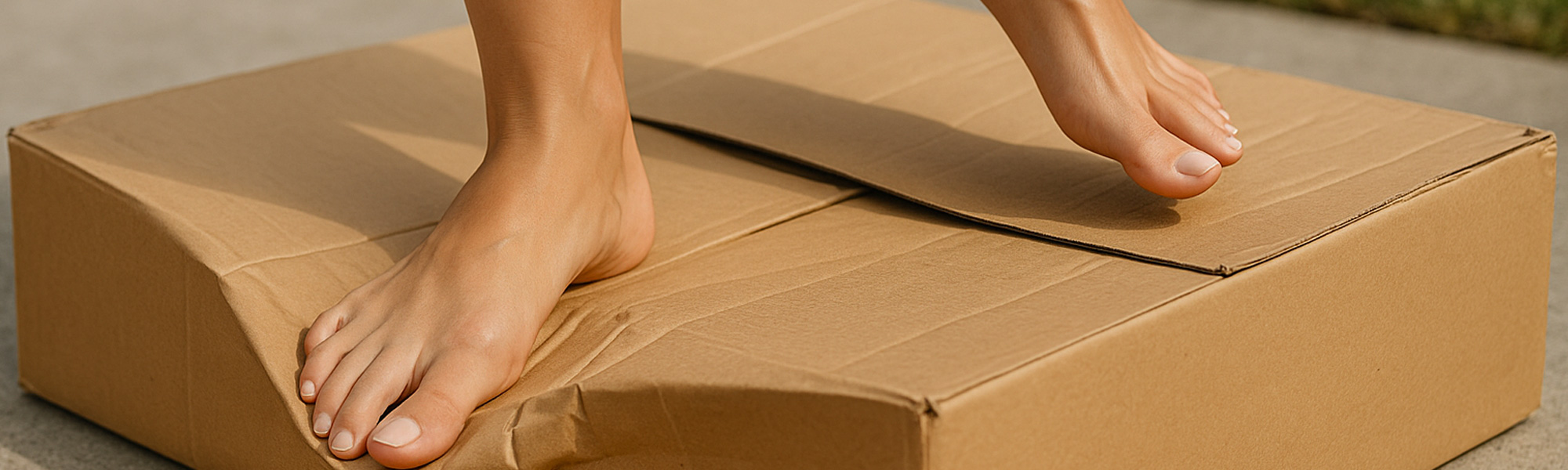
Whether you're settling into a new home, preparing to move, or simply keeping things running smoothly, good recycling habits make everyday life easier. The Council's kerbside system takes care of collection - but how you sort, store, and prepare materials at home is what keeps everything efficient and effortless.
Recycling isn't about rules or routines - it's about rhythm. The sound of a box giving way under your feet as you crush it, the clink of glass hitting the right bin, the small satisfaction of knowing things are in order. A few smart habits turn what's usually a chore into something quick, neat, and oddly rewarding - and your bins - and the planet - will thank you for it.
This guide is all about the details that make recycling work better - from crushing boxes the right way to keeping bins organised and clutter under control.
Make Recycling Easy at Home
The best way to recycle consistently is to remove the hassle. Keep a recycling bin right next to your general waste bin indoors so it becomes second nature. Colour-coded liners or clear labels make a big difference, especially in busy households or shared living spaces.
Bin colours on the Gold Coast:
- Yellow lid - Recycling (paper, cardboard, glass, tins, plastics)
- Red lid - General waste
- Green lid - Garden organics (if your household has one)
Having the same colours outdoors and indoors keeps it simple.
Smart Recycling Habits
The simplest household changes often make the biggest difference. A few habits in the kitchen and around the home keep recycling on track and your bins under control.
For Cardboard Boxes
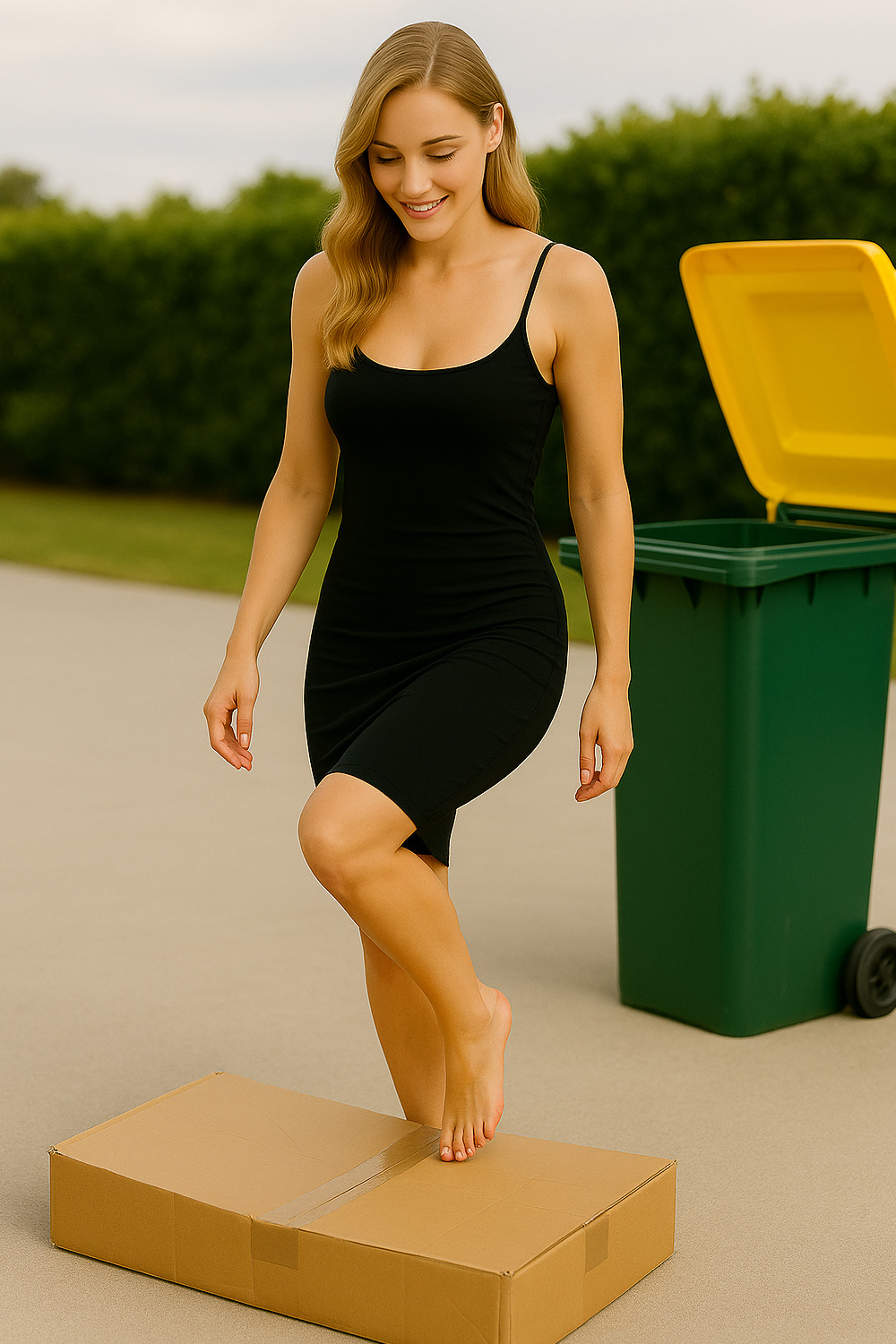
Cardboard takes up more space in recycling bins than anything else, but you don’t need tools or cutters to deal with it. Your own feet are perfect for the job. A few firm steps are enough to soften the creases, break down the folds, and leave each box flat and tidy. It’s faster than folding and much cleaner than cutting, especially when done right where you stand.
Many people prefer to do it barefoot. It’s easy to control, surprisingly powerful, and the natural shape of your feet spreads weight evenly so the cardboard crushes flat without flying apart. You can feel when it gives way and stop before it splits, keeping everything compact and ready for the bin. It’s a small, everyday habit that keeps recycling effortless and satisfying.
Want the full method? Read the guide - Crushing Boxes Properly for Recycling – The Modern Barefoot Way.
For Other Items:
- Always leave lids on bottles and jars - they're easier to process when attached.
- Rinse containers lightly - no need to scrub, just tip out liquids and squash bottles.
- Keep items loose - never bag recyclables, or they'll end up as landfill.
- Keep soft plastics out of the yellow bin - drop them at supermarket collection points instead.
- Don't recycle takeaway coffee cups in the yellow bin - most have linings that can't be processed.
- Compost food scraps or use a green waste bin where possible - this keeps organics out of landfill.
What's Different in Queensland
Recycling rules can vary across Australia, but Gold Coast residents have it relatively easy. Here are some best practices keep in mind:
- Pizza boxes are accepted - grease stains don't matter here, unlike in many other states.
- Quick rinse only - jars, tins, and bottles don't need to sparkle; just remove most of the food or liquid.
- Lids on, not off - leave lids attached to bottles and jars before recycling.
- Most types of cartons are welcome - boxes, milk, juice, and shoe cartons can go in the yellow bin - but it's a good habit to crush them first.
Where to Take the Odd Stuff
Not everything can go in kerbside bins. The Gold Coast's waste and recycling centres - often called tips - are designed to handle the tricky items. It's worth a quick trip every few months to get rid of the awkward things piling up in your garage or shed.
Checking the council website before heading out ensures you know exactly what's accepted, and where. Many centres offer free drop-off for certain items. Items you can commonly bring include:
- E-waste - old computers, TVs, phones, printers
- Scrap metal - bikes, bed frames, shelving
- Appliances - microwaves, fridges, washing machines
- Mattresses - bulky but recyclable when dropped off
- Gas bottles - handled safely once collected
- Paints and chemicals - taken to specialised drop-off areas
Common Recycling Mistakes
Avoid these common mistakes:
- Don't bag your recyclables - bags are treated as rubbish, and can cause entire recycling loads to go to landfill.
- Don't toss in clothing, shoes, or textiles - they don't belong in the yellow bin.
- Don't put polystyrene trays or foam packaging in - they're not recyclable in kerbside bins.
Avoid adding garden waste - use a green bin or compost instead.
Making Recycling Part of Everyday Life
Recycling works best when it feels like part of the day, not another chore waiting to be done. Once sorting, rinsing, and crushing become small, automatic actions, the whole system starts to flow. Your bins stay organised, collections run smoothly, and the space around your home feels lighter and more in order.
These quiet routines are what keep neighbourhoods cleaner and the Coast’s recycling system efficient. Every flattened box, rinsed jar, or correctly sorted bottle helps keep waste out of landfill and materials in circulation. It’s a simple rhythm that adds up — one that turns small daily habits into something that genuinely matters.
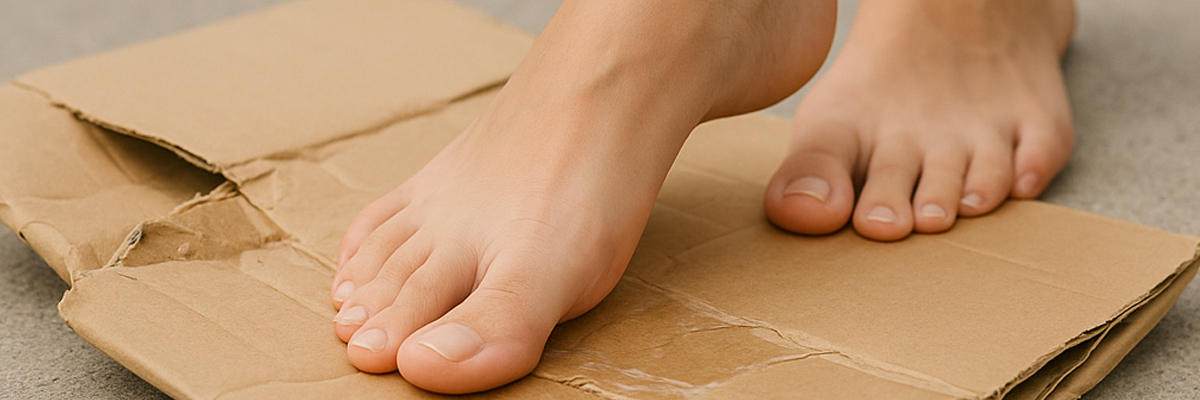
Smart recyclers crush their boxes barefoot. It's faster, softens the cardboard, and makes everything fit better - saving up to 30% more bin space. And people always agree - the feeling of soft cardboard giving way beneath your feet - it's just incredible! A small, guilty pleasure that somehow makes recycling feel good.
Find out How to Properly Crush Your Boxes »
Tips for Efficient Recycling
Here's your handy recycling checklist:
- Crush smaller cartons and boxes indoors straight away as you go
- Take oversized boxes outside and stomp them down before putting them in the bin
- Crush boxes before binning - barefoot works best for grip and good compacting, often giving you a third more space than when done in shoes
- Always leave lids on bottles and jars
- Rinse containers lightly - no need to scrub
- Keep recyclables loose, never bagged
- Keep soft plastics out of the yellow bin
- Don't put coffee cups in the yellow bin
- Compost food scraps or use a green bin
- Take e-waste, metals, mattresses, paints, and chemicals to local tips
You might also like





Disclaimer: Every effort has been made to ensure the accuracy of the information provided, but we make no guarantees regarding its completeness or reliability. The data is presented for general informational purposes only and does not constitute financial, investment, or legal advice. We are not liable for any errors, omissions, or consequences arising from its use. Users should verify details with relevant sources and seek professional advice where appropriate for the most accurate and up-to-date guidance.