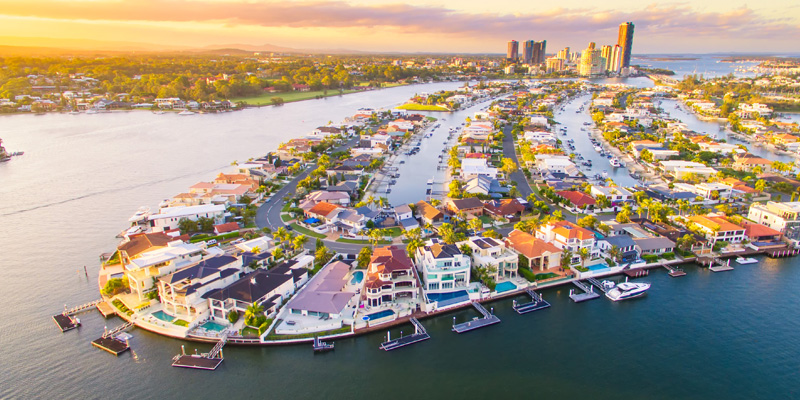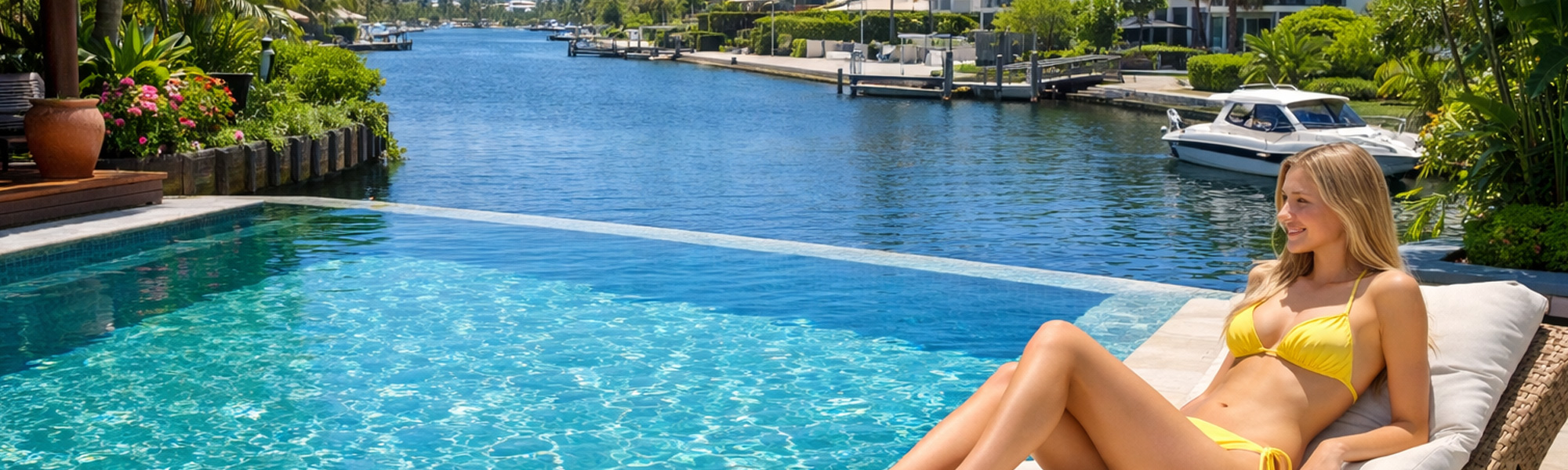
On the Gold Coast, a swimming pool is less an indulgence and more a response to how homes are actually lived in. Long stretches of warm weather, high humidity and a strong outdoor culture mean water quickly becomes part of daily life rather than an occasional luxury. When a pool is planned properly, it reshapes the backyard into a functional extension of the home and changes how the property performs through summer and beyond.
Building a pool is not simply about excavation and concrete. It is a structural project that affects drainage, outdoor circulation, privacy, maintenance patterns and how the home copes with heat. The best outcomes come when the pool is considered early as part of the property’s overall layout, rather than added as a separate feature after everything else has been decided.
Reading the Block Before Designing the Pool
Gold Coast blocks vary widely, even within the same suburb. Some sit on sandy coastal soils that drain easily. Others include clay layers, fill or sloping terrain that requires careful preparation. Before any design decisions are locked in, the site itself needs to be understood. Soil conditions influence excavation methods, structural engineering and long-term stability.
Slope plays a major role in pool planning. A gently falling block may allow a pool to sit naturally within the landscape, while steeper sites often require retaining structures or stepped construction. These solutions can be highly effective, but they need to be engineered correctly from the outset. Attempting to simplify design to avoid these realities often leads to compromises that affect both appearance and durability.
Access is another critical consideration. Machinery, materials and spoil removal all rely on clear pathways to the pool area. Narrow side access or built-up rear yards do not prevent construction, but they influence how the project is staged and how long it takes. Understanding access limitations early helps homeowners plan realistically for disruption during construction.
Positioning the Pool for Sun, Shade and Comfort
On the Gold Coast, sun exposure is both a benefit and a challenge. A pool positioned to receive consistent sunlight will warm naturally and remain comfortable for longer periods. At the same time, excessive exposure without relief can make surrounding areas harsh during peak summer conditions.
Thoughtful placement balances sun and shade across the day. Nearby structures, landscaping and fencing all influence how light and heat interact with the water. Breezes also play a role. While airflow can improve comfort around the pool, excessive exposure increases evaporation and debris. Sheltered placement often reduces maintenance and improves usability without sacrificing cooling benefits.
Designing the Pool as Part of the Outdoor Space
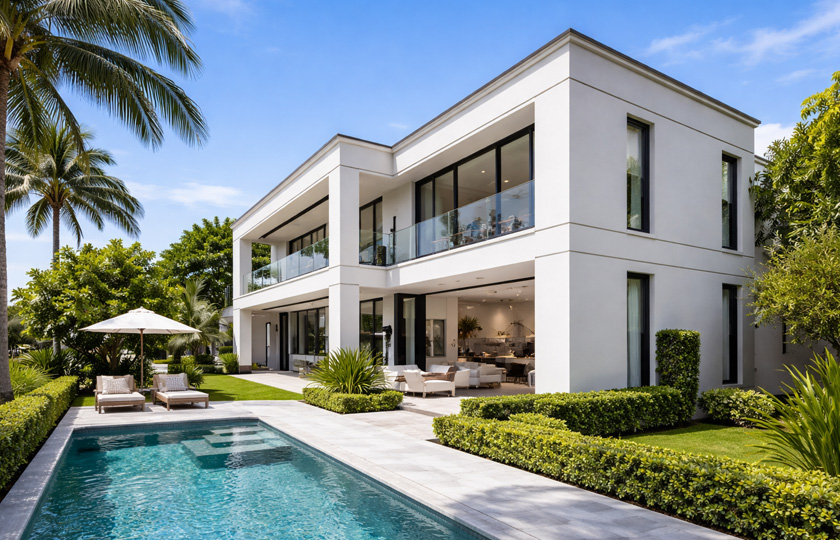
Successful Gold Coast pools feel integrated rather than imposed. They align with the home’s architecture, terrace levels and outdoor living zones. Waterlines are often set to visually connect with patios or living areas, creating a calm transition between inside and outside.
Scale matters more than size. A pool that suits the proportions of the yard leaves room for circulation, planting and seating. Oversized pools can limit flexibility and increase running costs without adding meaningful benefit. Shape should support how the pool will be used, whether that is relaxed cooling, family use or exercise.
Depth transitions, steps and ledges define usability. Shallow areas support casual use and supervision, while deeper sections allow for swimming without dominating the design. These features shape how the pool is experienced throughout the day, often more than overall dimensions.
Construction Methods and Long-Term Performance
Most residential pools on the Gold Coast are built using either concrete or fibreglass construction. Concrete pools offer the greatest flexibility, allowing designs to adapt closely to site conditions and architectural detail. They suit irregular blocks, integrated edges and custom depth profiles, but require staged construction and careful curing.
Fibreglass pools are manufactured off-site and installed as complete shells. They offer faster installation timelines and consistent finishes. While shapes are limited to available moulds, modern designs suit many residential settings. Proper base preparation is essential to ensure long-term support and alignment.
The right construction method depends on the block, the design intent and how the pool is expected to age. Decisions should prioritise durability and compatibility with the site rather than speed alone.
Engineering, Plumbing and Equipment Choices
Beneath the visible finishes, a pool relies on structural engineering to manage soil pressure, water load and seasonal ground changes. Reinforcement placement, shell thickness and footing design are tailored to the site. These unseen elements determine crack resistance and long-term stability.
Water circulation is equally important. Skimmer locations, return placement and pipe sizing influence how effectively water is filtered and treated. Poor circulation leads to uneven water quality and increased maintenance. Well-designed systems operate quietly and efficiently in the background.
Modern pool equipment has shifted toward energy efficiency and automation. Variable-speed pumps, efficient filters and intelligent controls reduce operating costs and simplify daily care. Selecting equipment that suits the pool’s size and usage patterns improves reliability over time.
Approvals, Safety and Compliance
Pool construction on the Gold Coast is governed by strict safety and building requirements. Approvals typically address structural integrity, boundary setbacks, drainage management and fencing compliance. These rules shape where a pool can be placed and how it is accessed.
Safety barriers are a defining feature of pool design and must meet current standards. Their placement affects sightlines, circulation and visual openness. When planned carefully, compliant fencing can feel integrated rather than intrusive.
Electrical and plumbing work must be completed by licensed professionals. Proper certification ensures the pool can be insured, maintained and transferred smoothly during future property transactions.
The Construction Phase and What to Expect
Construction begins with excavation, which temporarily transforms the yard. This stage is brief but intensive, setting the physical boundaries of the pool. Structural work follows, anchoring the pool permanently into the ground.
Plumbing, electrical systems and interior finishes are installed in sequence. Surrounding areas are then rebuilt, restoring the yard into a cohesive outdoor environment. Weather can influence timing, particularly during summer storm periods, so flexibility is important.
Clear communication between homeowner and builder helps manage expectations throughout the process. While construction is finite, the quality of coordination directly affects the final outcome.
Living With a Pool on the Gold Coast
Once complete, a pool quickly becomes part of everyday life. Early swims, afternoon cooling and evening use extend outdoor living without conscious effort. The presence of water subtly changes how the yard is used and how the home feels during warm weather.
Evaporation and nearby planting contribute to cooler outdoor conditions, particularly around entertaining areas. This effect often improves comfort beyond the pool itself, making surrounding spaces more inviting.
Modern systems keep maintenance predictable. With the right setup, pool care becomes a simple routine rather than a constant task.
Pools and Buyer Appeal
On the Gold Coast, pools are widely accepted as part of residential living, but buyer response depends on execution. Pools that feel proportionate, well-located and easy to maintain strengthen appeal. Those that dominate space or appear poorly integrated can narrow interest.
The strongest results occur when the pool feels like it has always belonged to the property. It signals a home designed for its climate rather than adapted later.
A Lasting Change to the Property
Installing a pool alters the character of a home in ways few other projects can. Light, reflection and the presence of water introduce a sense of ease that extends beyond recreation. The yard becomes a place that invites regular use rather than occasional occupation.
When planned carefully and built well, a pool supports how Gold Coast homes are actually lived in. It balances heat, enhances outdoor space and settles naturally into daily routines, becoming a permanent and practical part of the property.
This information is general in nature and provided for guidance only. Pool design, approvals and construction should always be handled by qualified professionals who can assess site conditions, confirm regulatory requirements and ensure all work complies with applicable standards. Local rules, safety obligations and construction practices may vary, and homeowners should seek tailored advice before proceeding with any pool installation.
You might also like

Disclaimer: Every effort has been made to ensure the accuracy of the information provided, but we make no guarantees regarding its completeness or reliability. The data is presented for general informational purposes only and does not constitute financial, investment, or legal advice. We are not liable for any errors, omissions, or consequences arising from its use. Users should verify details with relevant sources and seek professional advice where appropriate for the most accurate and up-to-date guidance.