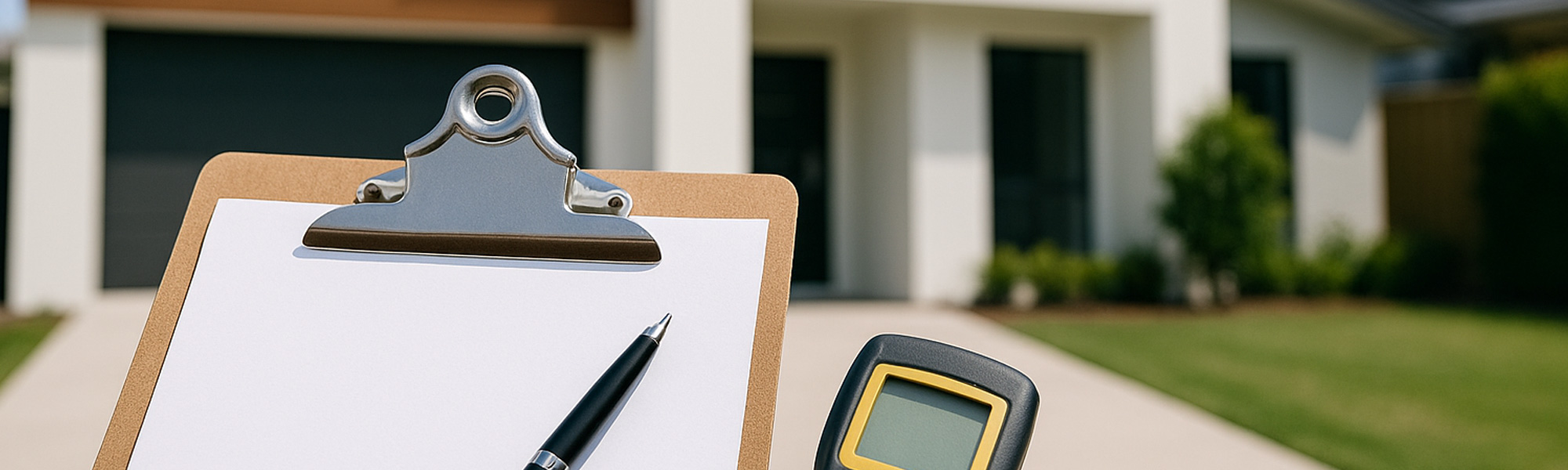
Buying a home is one of the most exciting moments in the property journey, but it is also the moment when reality meets expectation. A property that looks flawless during an open home can reveal a very different story once a licensed building inspector takes a closer look. Even well maintained homes can have hidden problems that buyers never think to check. Queensland's climate, construction style and pest pressures create their own challenges, and a detailed building inspection is often the difference between a smooth purchase and a stressful one.
Most issues found in building inspections are manageable. Some require negotiation. A few can be costly surprises if not identified early. This guide brings together one hundred of the most common problems inspectors uncover, grouped into clear categories so buyers, sellers and owners can understand how and why things go wrong and what those issues actually mean.
Structural Issues
These are the problems that concern inspectors the most because they can affect a building's integrity or safety.
- Foundation cracking
- Subsidence in one or more corners of the home
- Uneven or sloping floors
- Structural movement in slab or stumps
- Load bearing walls cut, altered or compromised
- Roof trusses that have been modified or damaged
- Decks not properly anchored to the main structure
- Retaining walls bowing, cracking or failing
- Concrete cancer in older slabs or balconies
- Brickwork cracking or mortar deterioration
- Door frames out of square due to movement
- Ceiling sagging from structural weakening
Roofing and Guttering
Queensland weather puts constant pressure on roofs, and problems up top can quickly migrate inside.
- Broken or cracked roof tiles
- Loose or missing ridge capping
- Rusted metal roofing
- Roof sheets incorrectly overlapped
- Inadequate roof fall leading to ponding
- Blocked gutters
- Downpipes improperly connected
- Rusted gutters
- Leaking roof penetrations around vents or skylights
- Poor flashing installation
- Damaged sarking or underlay
- Overflowing gutters due to poor drainage design
Waterproofing and Moisture Problems
Moisture is one of the most common and costly problems in Queensland homes.
- Bathroom leaks behind tiles
- Failed shower waterproofing membrane
- Mould growth in corners or ceilings
- Damp patches on walls
- Rising damp in older homes
- Laundry waterproofing failures
- Water pooling near the slab
- Inadequate drainage away from the house
- Moisture entering around external doors
- Efflorescence on masonry walls
- Leaks from upstairs bathrooms into lower levels
- Moisture damage around windows
Plumbing Issues
Many plumbing faults hide quietly until a professional inspection uncovers them.
- Slow drainage due to partial blockages
- Leaking taps or fixtures
- Incorrect pipe gradients
- Water hammer from poorly secured pipes
- Hot water system corrosion
- Outdated hot water systems nearing end of life
- Leaking toilet seals
- Shower mixers leaking into wall cavities
- Cracked drainage pipes
- Stormwater systems not connected properly
- Illegal or non compliant plumbing alterations
- Leaks around outdoor hose connections
Electrical Issues
Electrical faults are not always visible, but inspectors routinely identify concerns that need an electrician.
- Exposed wiring in roof spaces or under the house
- Outdated fuse boxes
- No safety switches on all required circuits
- Damaged power points
- Loose light fittings
- Overloaded circuits
- DIY electrical work
- Light switches that spark or crackle
- Corrosion on outdoor electrical fixtures
- Unsecured wiring in ceiling cavities
- Old or perished cable insulation
- Inconsistent power supply to certain areas
Pest Problems
Termites and borers are a major Gold Coast concern and are often discovered during inspections.
- Termite mud trails
- Termite damage in subfloor timbers
- Rotting timber encouraging pests
- Borer holes in vintage hardwood
- Inadequate physical or chemical barriers
- Past infestations not treated adequately
- Timber fences in contact with soil
- Moisture under the home attracting pests
- Landscaping built too close to external walls
- Termite-related sagging in floors or skirting
Exterior and Yard Issues
External elements reveal how well a property has been maintained over time.
- Faded or flaking exterior paint
- Cracked render
- Rotten or weakened decking boards
- Loose handrails or balustrades
- Poorly installed fences
- Timber posts touching soil
- Garden beds built higher than the slab
- Drainage running toward the house
- Cracked concrete paths
- Rusted metal structures such as pergolas
- Gaps around windows or sliding doors
- Sliding doors out of alignment
Interior Condition and Finishes
These issues do not always affect structural integrity, but they signal maintenance problems and future costs.
- Cracked internal plaster
- Misaligned doors
- Sticky or swollen timber doors
- Loose tiles
- Hollow sounding tiles from failed adhesive
- Water staining on ceilings
- Skirting boards swollen from moisture
- Poor quality patching or DIY repairs
- Mismatched or inconsistent paintwork
- Loose carpet or lifting edges
- Noise transfer through thin walls
- Windows that do not slide or lock properly
Building Compliance and Safety Issues
Inspectors also look closely at compliance and safety, which can affect insurance and future works.
- Missing smoke alarms or incorrect placement
- Balustrades that do not meet height requirements
- Pool fencing that fails current regulations
- Extensions built without approval
- Renovations hiding structural changes
- Incorrect ventilation in bathrooms or roof spaces
When a Report Looks Concerning
Building inspection reports almost always look long and intimidating. Even good properties attract long lists of minor issues because inspectors document everything. What matters most is how severe the problems are, whether they are related to structural soundness or safety, and whether they can be resolved through normal maintenance or negotiation.
A long list of surface level issues usually reflects age rather than danger. A short list containing structural, moisture or termite problems can be far more significant. This is why understanding categories helps buyers separate the cosmetic from the serious.
What It All Means for Buyers and Sellers
A thorough building inspection is one of the most valuable parts of any property purchase. It protects buyers, guides negotiations and highlights the true condition of the home beneath the styling and furniture. Whether the issues are small, predictable or more complex, knowing what can go wrong gives buyers the confidence to move forward with clarity. It also helps sellers prepare better, maintain their homes properly and resolve problems before listing.
When things go wrong in a building inspection, it is rarely the end of the story. With clear information and a realistic understanding of what the issues mean, buyers and sellers can still reach agreements that work for both sides and keep the property journey on track.
This article offers general information about common building inspection issues and should not be relied upon as professional advice. Conditions vary between properties, and readers should seek qualified building, pest, legal or trade guidance before making decisions based on an inspection report.
You might also like



Disclaimer: Every effort has been made to ensure the accuracy of the information provided, but we make no guarantees regarding its completeness or reliability. The data is presented for general informational purposes only and does not constitute financial, investment, or legal advice. We are not liable for any errors, omissions, or consequences arising from its use. Users should verify details with relevant sources and seek professional advice where appropriate for the most accurate and up-to-date guidance.