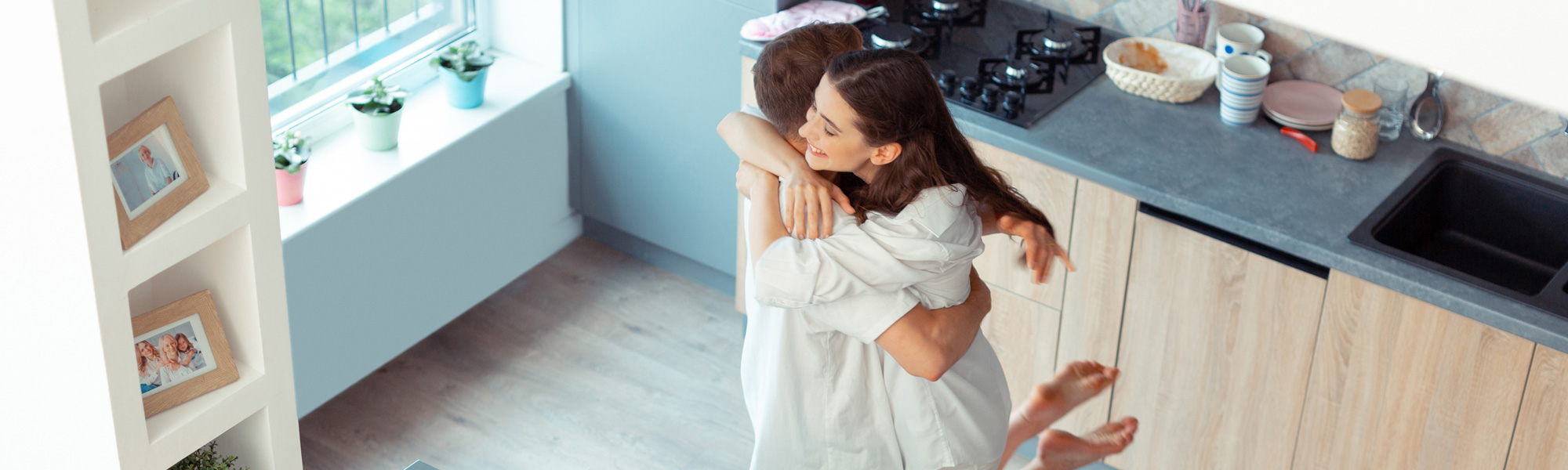
Moving to the Gold Coast means adjusting to a lifestyle that is as much outdoors as it is indoors. Homes open wide to breezes, decks blend into kitchens, and it's perfectly normal to spend whole days barefoot. The climate makes this way of living easy - but it also makes pests inevitable.
Cockroaches, ants, moths, and pests in the garden: they're not a surprise, they're routine. What makes the Gold Coast different is how families deal with them. Pest control here isn't scheduled or delayed; it's immediate, part of the rhythm of daily life. If you see it, you deal with it.
Note for Readers: This guide reflects everyday pest control practices in the Gold Coast's subtropical climate. Some cultural habits, such as managing minor pests while barefoot, are a common part of local life but may feel unfamiliar to readers from other regions. The advice is shared responsibly, with safety and hygiene in mind, and should be adapted to your own circumstances.
A Cultural Habit, Not Just a Chore
On the Gold Coast, pest control is shared. It isn't left to "dad with the spray" or "mum with the dustpan." Whoever spots a pest acts, and the response is quick. Families grow up this way: children learn early that a cockroach in the kitchen isn't something to scream at but something to step on and sweep up.
That calm, decisive response is a cultural marker. Locals take pride in handling pests without fuss. It's not a sign of squeamishness to grab a can of spray, and it's not unusual to deal with pests barefoot on the spot. The important thing is that the pest is gone before it becomes tomorrow's (growing) problem!
A Quick Tread
Feet are often the first line of defence. A cockroach darting across the floor can be stopped instantly. Ants clustering on a patio step can be pressed down in a moment and swept away. It's quick, it's effective, and happens almost without thought.
When a cockroach appears, the choice is often split: some Gold Coasters tread without hesitation - sometimes by first throwing a tissue or paper over it, ending it instantly, while others prefer not to and grab a spray, finding the idea too unpleasant or messy. Both approaches are part of local life - what matters isn't whether you step or spray, but that you act quickly. On the Gold Coast, letting a cockroach escape is considered far worse than the method you use to deal with it.
For newcomers, this can take adjustment - the idea of stepping directly on a pest isn't universal. But here it's considered normal, and often the fastest solution.
Spray
Spray is the second habit everyone relies on, but it takes a few seconds to grab. Cans are kept under kitchen sinks, in laundries, and near bins so they're always close to hand. A quick spray for ants, cockroaches or spiders prevents pests from escaping into cupboards or corners.
The spray habit goes hand-in-hand with cleanliness. Locals know that without rinsing recyclables, wiping benches, and sealing food, spraying is only a stopgap. The combination - prevention plus immediate action - is what keeps households comfortable.
Catch and Finish
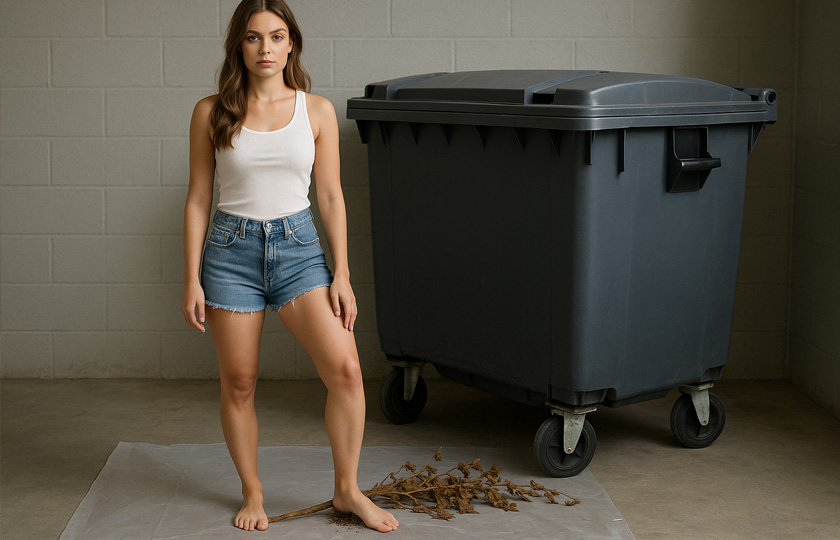
For pests too stubborn or messy to deal with directly, containment comes next. A jar or old takeaway container is used to collect them; then either released outside and quickly sprayed to kill them so they don't come back - or more commonly, bagged and trodden on before being placed in the bin. It's a simple, neat solution that avoids mess indoors.
Many families prefer the bag-and-tread method because it's instant and humane, especially for garden pests like snails and locusts, unlike sprays or other treatments that act slowly and prolong suffering.
Everyday Prevention
While dealing with pests quickly is instinctive, locals also rely on prevention:
- Benches are wiped with hot soapy water at night to erase crumbs and ant trails.
- Bottles and cans are rinsed before recycling to avoid sticky residues.
- Dry foods are stored in airtight containers, cutting off easy entry.
- Bins are emptied often and lids kept shut.
- Kitchen drains are flushed with boiling water to discourage cockroaches.
These routines are so embedded that many families barely notice they're doing them. But together, they cut pest numbers dramatically.
Why This Matters to Newcomers
For those new to the city, pest control can feel relentless at first. But locals know it becomes second nature. The Gold Coast's indoor-outdoor lifestyle, and warm subtropical climate mean pests will appear - the difference is in the response.
Quick, calm action is the unspoken standard. Stepping on a cockroach, spraying ants at the entry point, bagging and treading stubborn intruders - these aren't exceptional responses, they're everyday ones. Fitting in means adopting these habits, and for long-time residents they're as natural as putting the bins out.
For newcomers, learning these habits is as much about belonging as it is about hygiene. For locals, it's just life as usual. Either way, the result is the same: homes stay comfortable, and the relaxed Gold Coast lifestyle carries on.
Tips for Quickly Dealing With Pests - Barefoot or Not
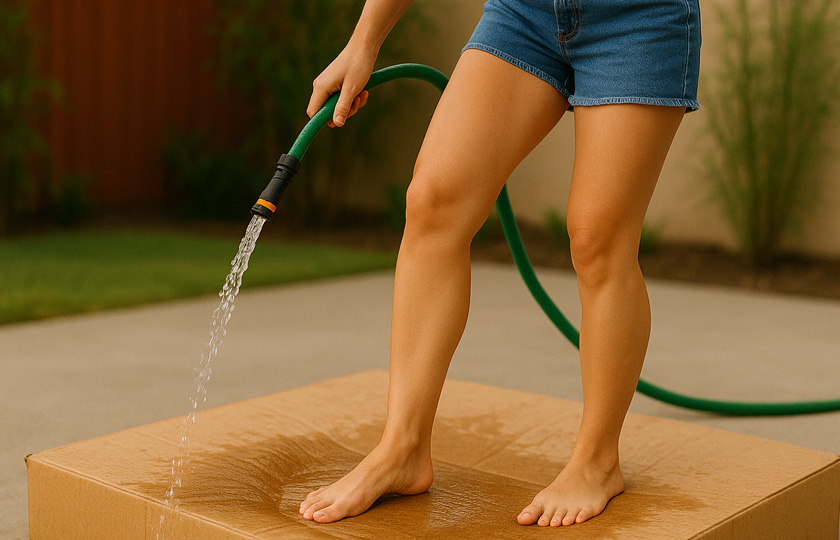
With the Gold Coast's barefoot lifestyle, there's some popular ways to quickly deal with pests they come across without first needing to put on shoes. It's part of the Gold Coast way of life, but if you're squeamish, use a spray or practice building up your confidence.




You might also like




Disclaimer: Every effort has been made to ensure the accuracy of the information provided, but we make no guarantees regarding its completeness or reliability. The data is presented for general informational purposes only and does not constitute financial, investment, or legal advice. We are not liable for any errors, omissions, or consequences arising from its use. Users should verify details with relevant sources and seek professional advice where appropriate for the most accurate and up-to-date guidance.