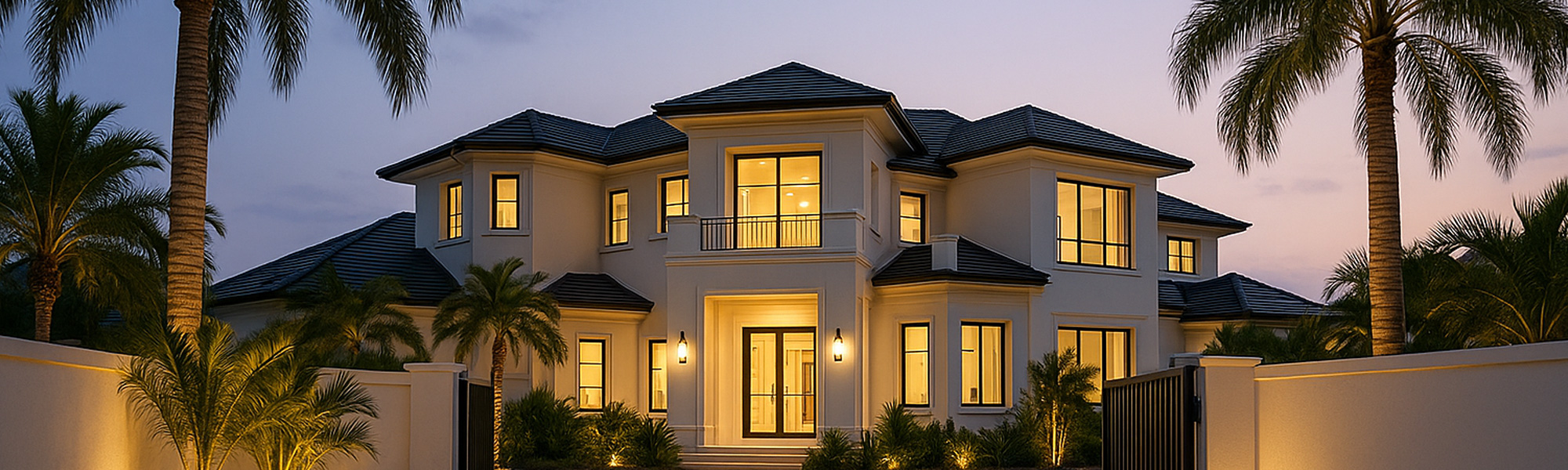
Open homes are rarely rational events. People like to believe they are comparing square metres, assessing price guides or evaluating resale potential, but in practice the very first few seconds inside a property have a disproportionate influence on every observation that follows. On the Gold Coast those first impressions are even more vivid. The angle of the light, the warmth of the air, the softness of a breeze and the informal coastal character all interact to create a sensory frame that shapes the entire inspection.
Buyers often arrive carrying a blend of fatigue, excitement, suspicion and hope. They have already toured other homes, compared suburbs, adjusted expectations and braced themselves for disappointment. Yet the moment they step inside a well-prepared property that feels like an authentic part of the Gold Coast lifestyle, something shifts. Their shoulders drop. Their pace slows. Their conversation softens. They are beginning to imagine the possibility that this home might change their life in ways they had not fully articulated.
A home that instantly feels comfortable, bright and easy to inhabit gains an immediate psychological advantage. Buyers rarely acknowledge how strongly they are influenced by these cues, yet their behaviour reveals it. They wander more freely. They smile at details. They begin to picture the future.
Why Atmosphere Overrides Logic
Even the most analytical buyer is deeply affected by atmosphere. The human mind constantly seeks coherence, and when a home's sensory environment aligns harmoniously with the expectations of coastal living, the entire experience becomes more persuasive. On the Gold Coast, atmosphere is shaped by conditions that are difficult to replicate elsewhere. Homes that allow sunlight to fall naturally across tiles or timber flooring, or that frame garden views through wide openings, feel inherently more welcoming. Rooms breathe when windows catch prevailing breezes, and buyers interpret this as a sign of good design rather than just good weather.
The power of atmosphere becomes especially clear when comparing two homes with similar layouts. One may feel cramped and static while the other feels open and effortless. The difference often comes down to intangible qualities that cannot be captured in a floor plan. Movement of air. The glow of light through a sheer curtain. The ambient hum of a quiet backyard. Even barefoot walkthroughs, which are quite normal in coastal suburbs, encourage buyers to interact with the home in a way that fosters connection. Feeling the temperature of tiles or the smoothness of timber engages a different part of the mind, grounding people physically in the experience of living there.
Coastal Cues That Shape Perception
Gold Coast buyers instinctively respond to coastal cues, even when they do not consciously recognise them. Palm silhouettes at the edge of a window frame, glimpses of bright foliage, a garden shaped by frangipanis or pandanus, or the familiar warmth of interior surfaces all signal that the home belongs to this region. These cues create emotional shortcuts, allowing buyers to imagine their daily routines more vividly. They picture sunlit mornings drifting across open-plan living areas, warm nights entertaining outside, or quiet afternoons when the home feels like an oasis from the busyness of the coastal strip.
Water also plays a powerful psychological role. Even when a home does not have ocean or canal frontage, proximity to water subtly shapes expectations. Buyers anticipate relaxed living. They expect indoor and outdoor spaces to blend smoothly. They look for light, uncluttered rooms and landscaping that feels tropical without being excessive. When these expectations are met, the home feels right. When they are not, buyers struggle to connect emotionally, even if the home is objectively well built.
Authenticity Over Perfection
A generation ago, heavy styling dominated open homes. Everything was pushed toward a kind of showroom perfection. But modern Gold Coast buyers are adept at recognising staging that feels artificial. They want homes that feel lived in but cared for. They want rooms that feel grounded, not theatrical. Polished but believable.
This shift is driven partly by a desire for honesty. Buyers know that no home is perfect, and they would rather see a property that reflects real daily life than one that feels like a temporary illusion. Authenticity allows them to imagine their own belongings, their own routines and their own version of coastal living within the space. When sellers over-style or rely on props that clash with the region's natural sensibilities, the emotional connection breaks. Buyers begin to focus on flaws, question motives and pull away from the narrative the home is trying to present.
Movement Through the Home and the Psychology of Flow
What many sellers underestimate is that buyers are evaluating not just rooms but transitions. The way people move between spaces reveals how the home might feel over the course of a normal day. Large openings between living areas give a sense of continuity and generosity. Tight hallways create tension, even if buyers cannot articulate why. A sudden dark corner can make an otherwise beautiful home feel unresolved.
On the Gold Coast, the most successful homes are those where interior spaces guide buyers naturally toward outdoor areas. The sense of flow between these realms is a defining feature of local architecture, and when buyers feel that flow instinctively they form a stronger emotional bond with the home. They picture barbecues, quiet reading spots, friends arriving after a beach day or evenings spent with soft breezes drifting through the house. These imagined moments, though constructed in an instant, anchor the emotional appeal of the property.
The Impact of Materiality and Tactile Experience
Material choices shape psychology more deeply than most realise. Smooth timber flooring, cool stone benchtops, warm natural fibres and understated finishes help buyers interpret a home as high quality. Conversely, mismatched materials or cheap surface treatments introduce a sense of discomfort that lingers even if buyers cannot immediately identify its source.
Coastal climates intensify these impressions. Buyers expect homes to feel resilient, durable and easy to maintain in humid or salt-tinged air. When materials feel robust and pleasant to the touch, the mind registers this as security. It reassures people that the home will age gracefully. This reassurance is often the missing link between a buyer who admires a home and a buyer who is ready to compete for it.
Emotional Anchoring and the Search for a Defining Moment
Every buyer experiences at least one moment in an open home that becomes their emotional anchor. It might be the sight of water glittering through a distant window, the shape of afternoon light in the kitchen, or the stillness of a private master bedroom. Once an emotional anchor forms, the buyer's perception shifts. The home becomes imbued with narrative. They assign meaning to rooms. They begin comparing other properties subconsciously to this one. Anchors do not always arise from spectacular moments. Sometimes the strongest anchors emerge from small, human-scale experiences: a sense of quiet, a memory triggered by a scent, or the comfort of a well-planned layout.
The Influence of Other Buyers
The presence of other buyers is an unspoken but powerful psychological force. People are acutely aware of competition, even when they try to dismiss it. When a home draws large numbers through an open inspection, buyers begin interpreting the property as more desirable. They observe others lingering near features they themselves admired. They overhear comments that reinforce what they already felt. This atmosphere of shared interest heightens urgency, not because buyers want to rush, but because the property suddenly feels validated.
On the Gold Coast, where interstate interest remains strong, this dynamic is amplified. When local buyers see visitors from other cities exploring the space with enthusiasm, they interpret the home as having broader appeal. That impression often helps push undecided buyers toward making a commitment.
The Importance of Agent Behaviour
Agents who understand psychological nuance can transform the open home environment. Calm, unobtrusive agents allow buyers to explore freely. They know when to step back, when to offer reassurance and when to provide space. Buyers who feel gently supported rather than supervised stay longer, ask more questions and form stronger attachments to the home. Sellers who hover or attempt to guide buyers themselves unintentionally disrupt this delicate balance. The presence of the homeowner adds social pressure that prevents buyers from imagining the space as theirs.
The Role of Scent, Temperature and Sound
The sensory environment extends beyond light and layout. Scent influences mood instantly, and on the Gold Coast the most effective scents are subtle and fresh. People respond more favourably to the faint aroma of clean air, gentle ocean notes or mild natural fragrances than they do to heavy perfumes or candles. Temperature also plays an outsized role. Homes that feel cool, open and breathable during hot months are perceived as better designed and more comfortable to inhabit. But scent needs careful restraint as well. Some buyers have strong sensitivities or allergies to fragrances, diffusers or artificially scented air fresheners, and even a mild reaction can send them straight back out the door before they've had a chance to appreciate the home. The safest approach is to rely on genuine freshness rather than manufactured aroma, letting clean airflow and natural ventilation speak for themselves.
Sound can elevate or undermine an inspection in seconds. The distant hum of traffic may discourage buyers, while the stillness of a quiet street or the softness of birdsong near a tropical garden can elevate a home's appeal without buyers noticing consciously. These sensory cues combine to create an emotional environment that either welcomes or repels.
Subconscious Mapping and Future Projection
As buyers walk through a home they subconsciously map their future routines onto it. They imagine stepping through the front door after work. They imagine preparing breakfast at the bench. They imagine where guests would sit, where children might play, where they would retreat during quiet evenings. Homes that allow these imagined routines to unfold naturally create stronger buyer commitment. Homes that interrupt this mental mapping with awkward layouts, impractical spaces or unresolved design choices create friction that weakens emotional engagement.
The Final Impression That Buyers Take With Them
When buyers leave an open home they rarely remember every room in detail. Instead, they carry a feeling. This feeling is the accumulated result of dozens of subtle psychological cues that shape whether the home is interpreted as warm, hopeful, inspiring, grounded or disappointing. On the Gold Coast this final impression is deeply tied to lifestyle aspirations. The buyer wants to feel that the home enhances their life. They want to feel uplifted by the possibility of living there.
A home that delivers a coherent emotional journey remains in a buyer's mind long after inspections end. It becomes a benchmark. It becomes the standard against which all other homes are measured. Ultimately, the psychology of the open home is the psychology of belonging. When buyers feel, even briefly, that they belong somewhere, the decision-making process accelerates. Emotion leads the way. Logic simply follows.
You might also like




Disclaimer: Every effort has been made to ensure the accuracy of the information provided, but we make no guarantees regarding its completeness or reliability. The data is presented for general informational purposes only and does not constitute financial, investment, or legal advice. We are not liable for any errors, omissions, or consequences arising from its use. Users should verify details with relevant sources and seek professional advice where appropriate for the most accurate and up-to-date guidance.