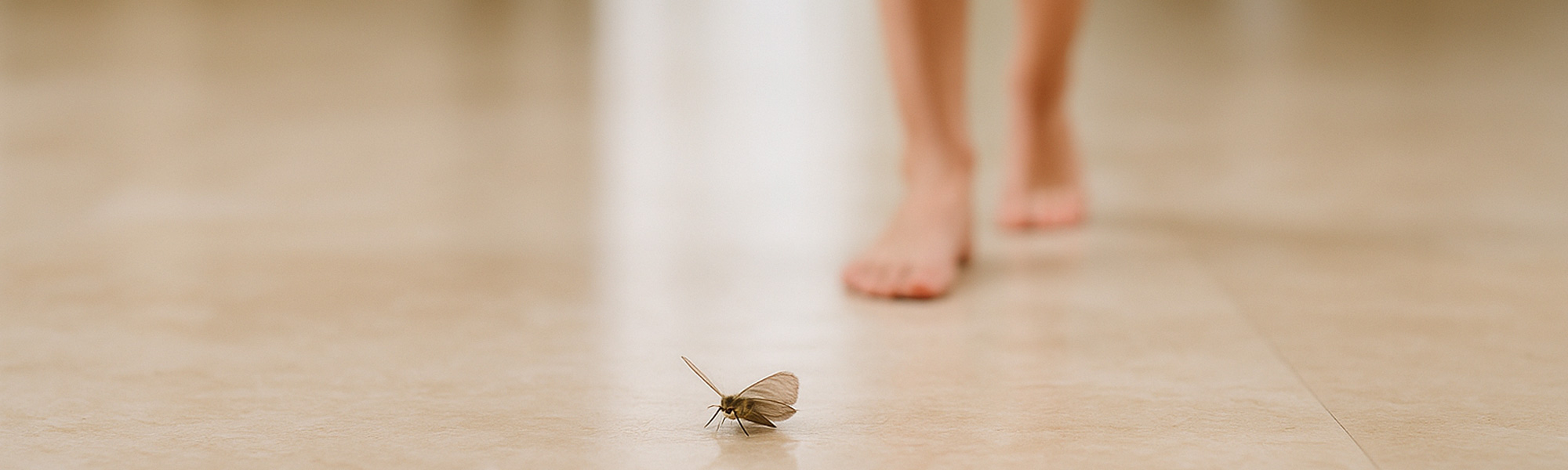
Moving to the Gold Coast brings clean light, big skies and the soft warmth that rolls through open windows most of the year. It also brings a level of insect activity that surprises people who have come from cooler regions. Families who have never killed insects before, and who have built years of gentle catch-and-release habits, often find themselves confronted with an unexpected shift. Indoors, the choices become different. Outside, nature can take its course. Inside, the home has to be protected.
This guide helps families adjust with confidence, offering a calm approach to dealing with insects indoors without losing kindness or composure.
The Moment New Arrivals Realise They Need a Different Approach
Many families arrive with the same expectation: insects belong outside, and the most respectful thing to do is escort them back where they belong. In cooler climates this works beautifully. The insects are slow, small and usually isolated. You can calmly cup them in a container, lift the window and let them go.
Then the first Gold Coast summer arrives. You notice more insects, sometimes several in a week. The larger ones move quickly and hide in places that create worry. You start to understand what long-term locals already know. A healthy home in the subtropics is one where insects do not get to settle indoors. Releasing everything no longer works because many species simply return, and others can create hygiene or safety issues if left alone.
The shift can feel uncomfortable, especially for families who value compassion. But it is simply part of learning how to live safely and confidently in this environment.
When Compassion Meets Practical Reality
Wanting to kill insects that invade your space is a very human reaction. People feel protective of the place they sleep, eat and raise children. When something fast or unpredictable appears in that space, instincts harden. That tension between empathy and practicality can create guilt for those who have never killed insects before, but guilt has no helpful role here. Protecting your home is not an act of cruelty. It is ordinary household care.
Feeling reluctant is common. Parents sometimes pause at the doorway, caught between habits they grew up with and the knowledge that a single missed insect can multiply into a problem. It helps to recognise that acting quickly avoids a prolonged chase, avoids stress and keeps the home clean. The aim is not aggression. It is efficiency and calm.
How to Build Confidence When You Haven't Killed Insects Before

People who are new to this often feel anxious about the physical act itself. The simplest way to adjust is to work through it gradually and choose an approach that matches your comfort level. Some prefer to place a small barrier, such as a folder or container, over the insect and tread that instead of making direct contact. Others feel more in control with spray for certain insects, especially those that move fast or hide.
As confidence builds, many people prefer a quick step because it is precise, swift and over immediately. It is common for those who go barefoot often to feel more control because their soles give feedback about where the insect is and how to finish the job without hesitation. Others prefer to stay in footwear. Either choice is valid. The goal is simply to handle the moment cleanly and without unnecessary drama.
Regardless of the method, keep the action small, calm and undramatic. A quick step, a single press to finish, then a wipe. The shorter the moment, the easier it becomes over time.
Spraying Insects for the First Time
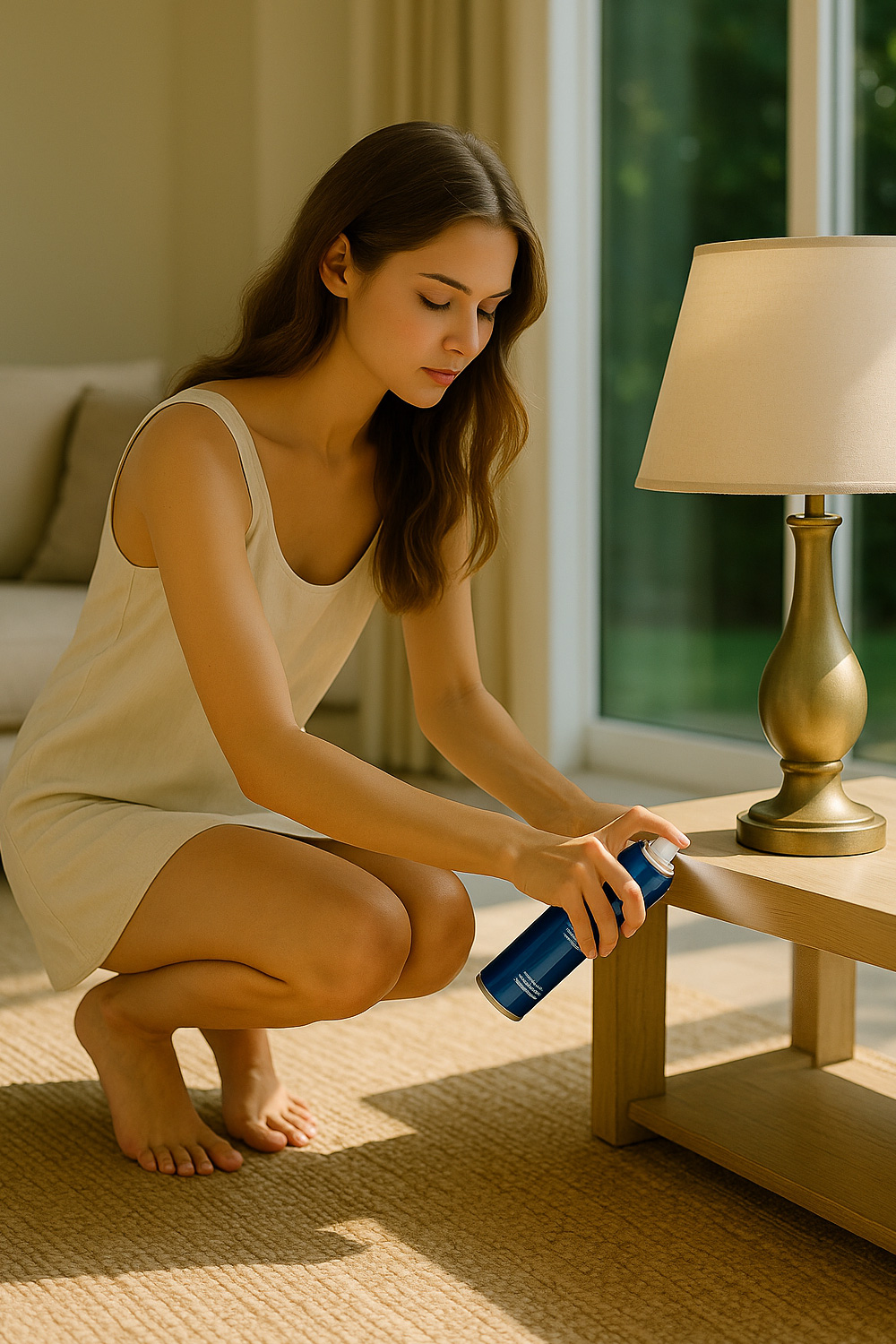
People who have never used insect spray before often worry they might make a mess or use too much. In reality, spraying is simple once you understand the basic steps. The aim is to apply a light, targeted mist that reaches the insect without soaking the room.
Hold the can a comfortable distance away, usually just far enough that you can direct the spray without leaning in. A quick press of the nozzle sends out a fine cloud that settles over the insect within a second or two. You don't need to empty the can or chase the insect around the floor. A short burst is enough for most household pests.
If you're worried about whether the process is humane, it can help to think about what the insect actually experiences. Its awareness is very limited. In those last moments it notices only the simplest cues - your movement, the shift of air and the nearness of your feet beside it. For compassionate people, that closeness can feel like a small comfort: you are right there, steady and calm, as its coordination fades within seconds. The rest is a quiet internal process that finishes on its own. Even if it takes a minute or two, the insect isn't frightened or aware; it simply shuts down while you remain close enough to guide the moment.
After spraying, give the insect a moment to stop moving. Some slow immediately, while others take a few seconds to lose coordination. Resist the urge to spray again unless the insect begins escaping into a cupboard or tight corner. Too much spray spreads chemicals unnecessarily and doesn't improve the result.
Once the insect is no longer moving, use paper towel to pick it up and wipe the small area of floor where it landed. Ventilate the room if the spray has a strong scent. Most people find that after a few uses, spraying becomes a quick, controlled task that fits easily into everyday household routines.
Stepping Barefoot

Some people choose to step barefoot simply because it is quicker and more controlled, especially after moving to the subtropics where insects appear unpredictably.
When someone steps on an insect, the sole becomes a pressure-delivery surface. The foot is not a blunt tool. It is flexible, and its ability to finish the job cleanly depends on how it distributes force. The skin needs enough firmness to stay broad and stable. When the ball of the foot presses down, the foot's tissue compresses only to a point before pushing back, which creates a steady, contained load. Beneath that load, the insect feels a rapid increase in pressure as the foot settles. Once the pressure reaches its threshold, the insect stops moving almost immediately.
If you want to check whether your soles are ready for this kind of task, the skin should be smooth and firm, able to resist gentle finger pressure without folding sharply. The ball and heel should feel cushioned but stable, with enough density that they hold their shape. If the sole feels steady and resilient in your hands, it will usually behave the same way during a quick, controlled step.
Tough, slightly leathery soles also give people confidence that the insect will break down cleanly without causing any discomfort to the person stepping. This firmness lets the foot stay stable and prevents the insect from shifting or making contact. Even so, only step on insects that are genuinely safe to handle this way - small, soft species that crush quickly and cannot bite or pierce the skin.
Helping Children Understand the Change
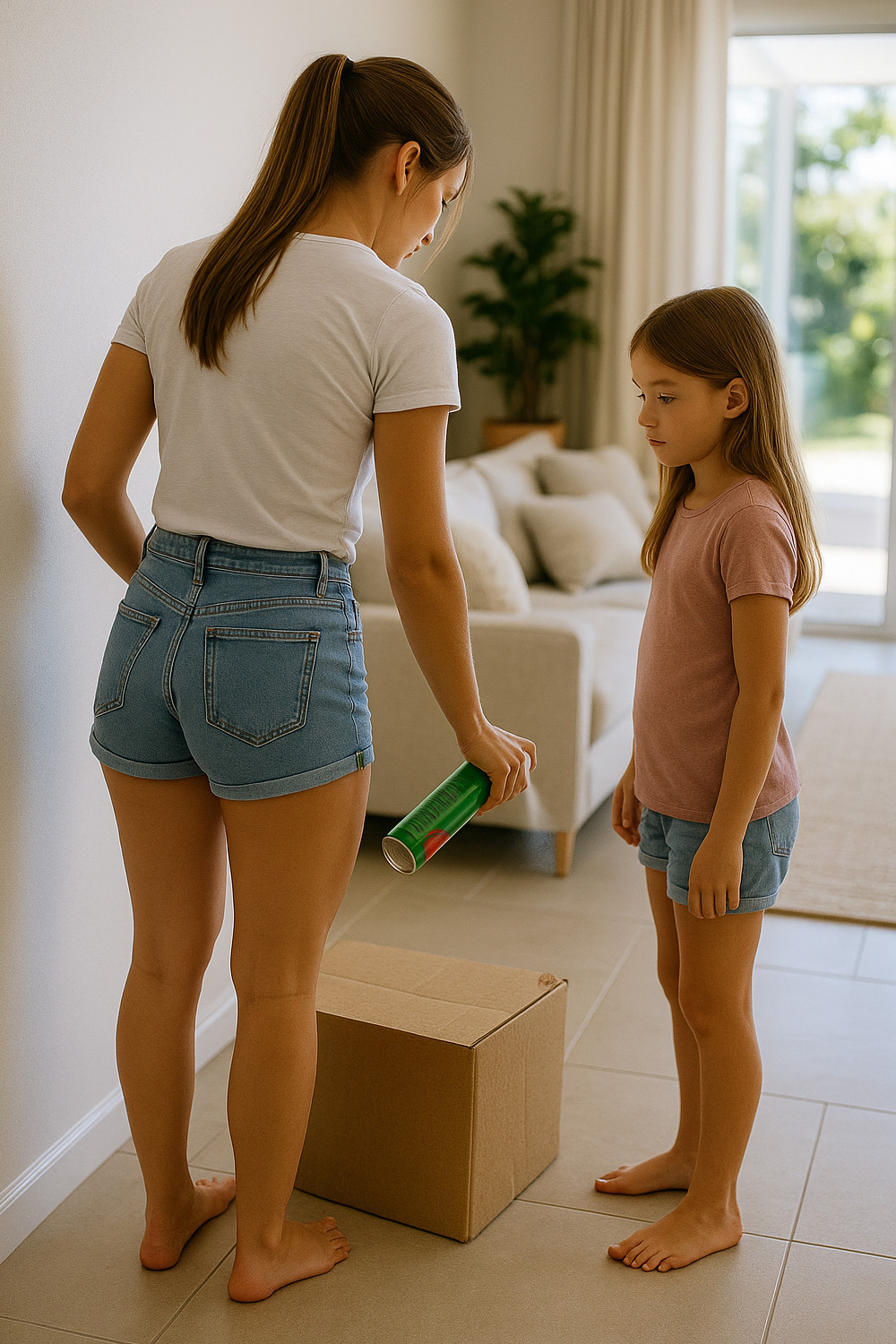
Children who have been taught to release insects gently can struggle with this transition. The key is not to reverse that compassion but to widen it. Explain that insects belong outdoors, where they have everything they need. Indoors, they can cause trouble and sometimes spread bacteria. Let children know that different environments ask for different actions. Outside, kindness looks like letting nature be. Inside, kindness looks like keeping the home safe and clean for the whole family.
When explained in these terms, children adapt quickly. They see that the rule has changed because the setting has changed, not because your values have disappeared.
Some children simply need time to reconcile the two ideas. They may hold both thoughts in their minds at once - wanting to protect the insect, yet wanting to protect their home - and that internal tug can feel uncomfortable at first. When parents normalise that feeling and talk through it patiently, children learn that caring for their environment sometimes means making different choices in different situations. That reassurance helps the transition settle.
Helping Teenagers Who Feel Strong Empathy
Older children, especially teenage girls, often feel a strong emotional pull toward insects. Many grew up gently releasing them and may struggle when the family moves to the subtropics and the rules inside the home change. Their reluctance isn't defiance. It comes from care, and from the belief that all creatures should be spared if possible.
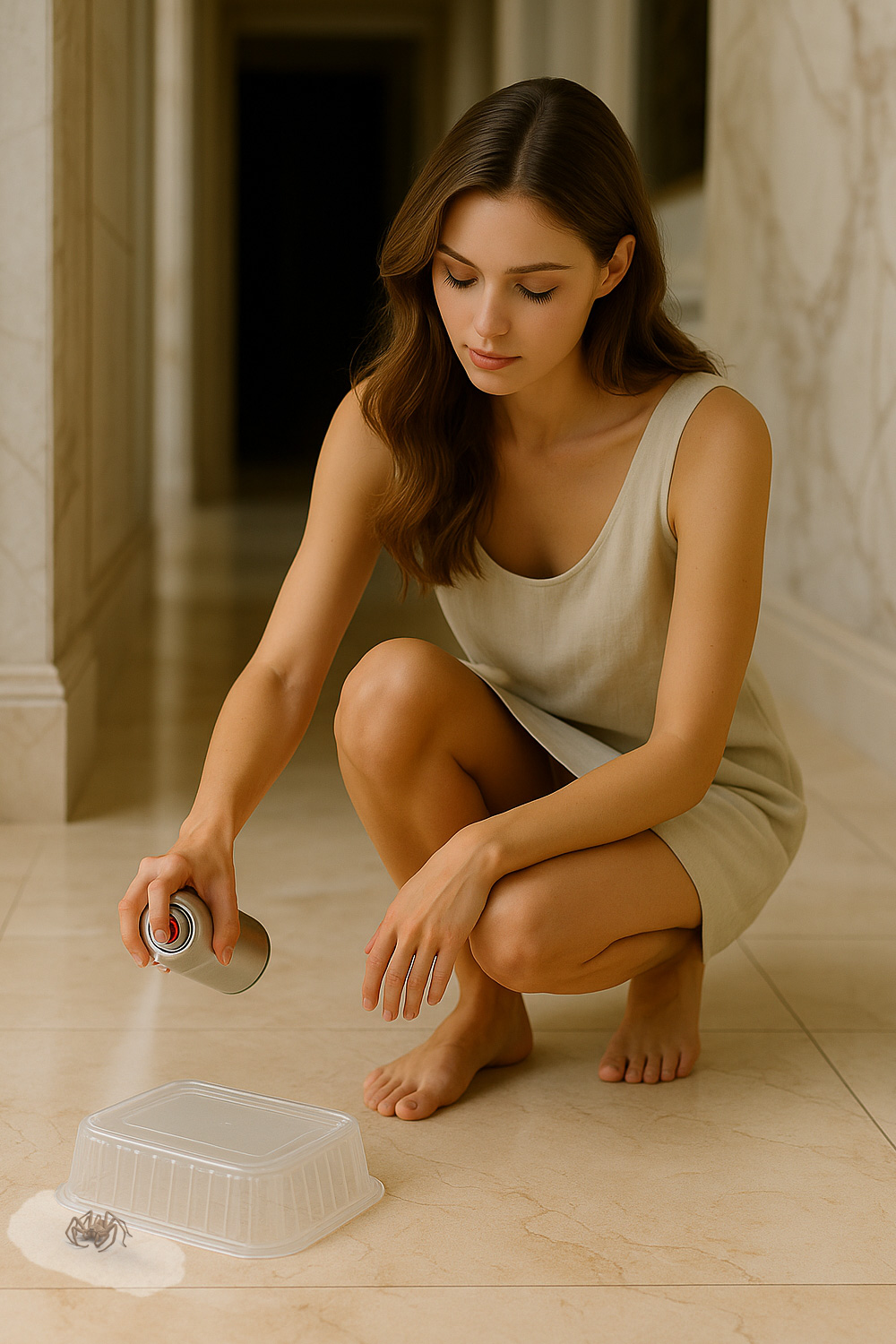
Parents can guide them through this shift by explaining that inside the house, insects can't simply be left alone. They carry bacteria, can reproduce quickly and can appear in places where they cause real distress. Framing the task as part of keeping the household safe helps teenagers see it as a responsibility rather than something cruel.
Some teenagers still hesitate when the moment arrives. In these cases, a little parental firmness helps. They may need a clear instruction rather than being asked how they feel about it each time. After dealing with the first few insects - whether by spraying or stepping on a safe, small species - the fear usually fades. They realise that the moment is over quickly and that their earlier worry was about the idea of the task, not the task itself.
It also reassures them to understand that a quick, decisive approach prevents the insect from moving or biting and ends the situation with less stress overall. Once teenagers see this in practice, they often settle into the routine with growing confidence and far less hesitation.
For safety, teenagers should only be asked to step on insects if their soles are already conditioned from their own habits. On the Gold Coast, many teenagers spend plenty of time barefoot in their day-to-day lives, which naturally strengthens the skin. If a teenager doesn't already have that comfort and confidence going barefoot on a range of surfaces, they should use spray instead, and never step on insects that can bite, sting or pierce the skin.
Getting Used to the Emotional Shift
For many people this is the hardest part. They hesitate, not because the act itself is difficult, but because it feels like a break from the values they grew up with. The reality is simpler. You have not become a different person. You have simply moved to a different climate.
It helps to recognise that you are ending discomfort quickly, not prolonging it. A fast step is far kinder than repeated attempts to trap and release something that is not suited to the indoor environment. Most families find that the emotional tension fades within a few months. The act becomes a small household task, like wiping a bench or rinsing a plate. Nothing more.
Hygiene, Clean-up and Staying Safe
After the insect is removed, wipe the area lightly and wash your hands. You do not need harsh chemicals for routine situations. Basic cleaning is enough. Families who choose spray should take care to avoid soaking surfaces and should ventilate the room for a short time afterwards.
It is useful to keep a small roll of paper towel or tissues in a nearby cupboard for quick disposal. Then the moment ends. Life continues.
A New Normal That Quickly Feels Ordinary
Most families who make this transition discover the same thing. What once felt confronting becomes simply part of subtropical life. They still teach their children kindness outdoors. They still appreciate the small creatures that live in the garden unless they are eating your plants. They simply adjust their behaviour inside the home because the environment demands it.
What matters most is that this change is approached with calmness, not fear. The goal is never to turn families into aggressive insect hunters. The goal is to help new arrivals understand what locals already know. In the Gold Coast climate, creating a healthy home sometimes means doing things you didn't have to do before. Once you understand why, and once you become comfortable with the small, decisive actions involved, the shift feels natural.
You might also like






Disclaimer: Every effort has been made to ensure the accuracy of the information provided, but we make no guarantees regarding its completeness or reliability. The data is presented for general informational purposes only and does not constitute financial, investment, or legal advice. We are not liable for any errors, omissions, or consequences arising from its use. Users should verify details with relevant sources and seek professional advice where appropriate for the most accurate and up-to-date guidance.