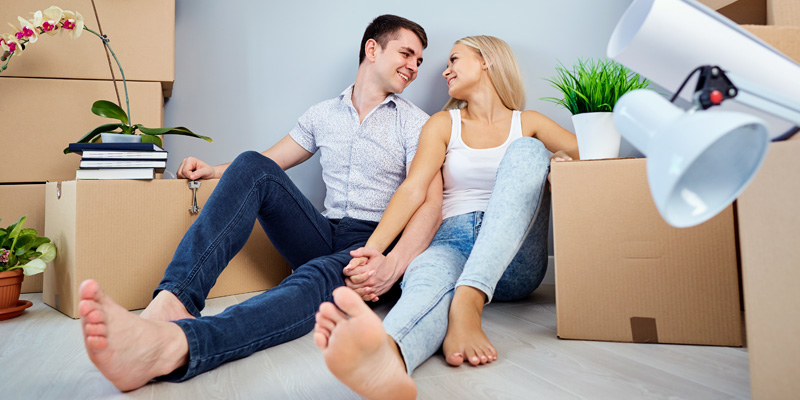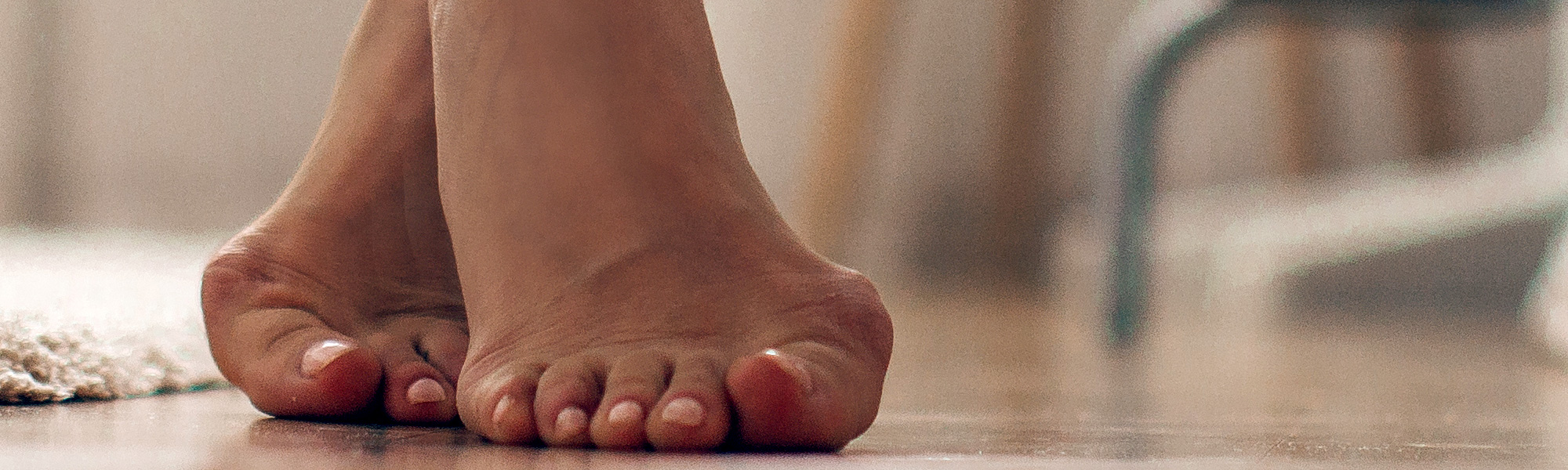
There are many reasons people care deeply about how a floor feels beneath their feet. Comfort, warmth, sensory pleasure, quietness and the simple enjoyment of walking barefoot through a home all come down to the choice of surface. Some floors look beautiful but feel harsh. Others feel soft but look too commercial. And then there are materials that deliver both beauty and unmatched underfoot comfort when you step out of bed in the morning, walk through a hallway, or cross a living space in full sun.
Different flooring types offer different kinds of experiences, and understanding how they behave under barefoot contact helps people choose what suits the way they actually live. On the Gold Coast especially, where barefoot living is woven into daily life, the difference between a pleasant floor and an extraordinary one becomes very noticeable.
Why Barefoot Comfort Matters More Than People Realise
A floor is the largest tactile surface in a home. Every day feet interact with it thousands of times, absorbing its temperature, texture and responsiveness. Hard and cold surfaces can feel jarring in winter mornings or in air-conditioned rooms. Rough surfaces can be fatiguing or unpleasant if feet are not conditioned for that texture. And some surfaces, even if marketed as premium, simply do not deliver that soft sense of welcome that people crave when they first step inside.
Barefoot-friendly flooring has three key qualities. It maintains a comfortable surface temperature. It offers just enough give so each step feels cushioned rather than harsh. And it provides a texture that is pleasant to the skin, smooth enough to glide over but not slippery. When these three factors come together, the experience is transformative.
Poured Polyurethane Sports Flooring
The Most Luxurious Barefoot Surface Most People Have Never Heard Of
Among all flooring types, poured polyurethane flooring stands out as one of the most exquisite surfaces for barefoot enjoyment. Although it is well known in high-end gyms, commercial spaces and gymnastics facilities, it is still under-recognised in residential design. This material visually resembles a smooth laminate or a matte vinyl plank, but the similarity ends there. The moment someone walks on it barefoot, the difference becomes clear.
Poured polyurethane systems have a cushioned base layer that creates a soft, responsive surface. Each step sinks in just slightly, enough to feel gentle without feeling spongy. The material stays naturally warm, eliminating the shock of cold floors in cooler months or air-conditioned rooms. People often describe the sensation of walking on polyurethane as silky, warm, and cloudlike. In commercial fuel stations where it is sometimes installed, customers often comment on how unusually pleasant it feels underfoot compared with standard retail surfaces.
In homes it brings incredible comfort to bedrooms, hallways and living areas. Architects sometimes specify it for minimalistic builds where a single seamless surface creates visual calm. Its softness reduces noise, reduces fatigue during long periods of standing and creates a sense of wellness that is difficult to replicate with more common materials. Although installation requires specialised trades and careful substrate preparation, the result is unlike anything achieved by laminate, hybrid plank, vinyl plank or tile. For people seeking the most luxurious barefoot experience available, polyurethane flooring is worth exploring.
Hybrid Flooring
A Warm, Comfortable Everyday Choice
Hybrid flooring combines elements of laminate and vinyl technologies, resulting in planks that are resilient, slightly pliable and noticeably warmer under bare feet than ceramic tiles or stone. The core layers absorb some impact, softening each step. Many hybrids have integrated acoustic underlays that improve the cushioned feel and reduce the hollow sensation sometimes associated with floating floors.
The surface texture varies by brand, but many hybrids offer a satin or lightly embossed finish that feels gentle on skin. Since hybrid floors maintain an even surface temperature, they avoid the coldness that can make indoor walking feel uncomfortable on other surfaces. They are a solid choice for households looking for durability, water resistance and barefoot comfort without moving into uncommon or specialised materials.
Vinyl Plank and Sheet Vinyl
Soft, Warm and Pleasant for Everyday Barefoot Movement
Modern vinyl products have come a long way from the thin, echoey sheets of decades past. Luxury vinyl plank and quality sheet vinyl offer consistent warmth and a slightly cushioned feel due to their multi-layer construction. The material flexes just enough to feel forgiving under the heel and the ball of the foot, which makes it a favourite for people who spend long periods standing in kitchens or open-plan living rooms.
Vinyl also stays warm even when installed over concrete slabs. This is particularly noticeable in beachside homes where early morning and late evening foot traffic is common. The smooth texture glides comfortably under the arch and the toes. While it cannot match the cloudlike softness of polyurethane, it delivers a reliable, enjoyable barefoot experience suitable for almost any room in a home.
Timber Flooring
Natural Warmth and Gentle Contact
Timber provides a naturally warm, organic feel that many people love. Its ability to hold a moderate surface temperature makes it far more comfortable for barefoot walking than tiles or polished concrete. Solid hardwood and engineered timber behave differently depending on the finish, species and board thickness. Satin finishes provide a soft-glide experience, while coarse-grain finishes can introduce subtle texture underfoot.
Timber's biggest advantage for barefoot comfort is its blend of warmth and firmness. It offers slight natural give compared to stone, which reduces impact and creates a pleasant feedback as feet move across it. With proper maintenance, timber floors age beautifully and continue to feel welcoming for decades.
Cork Flooring
Cushioned, Quiet and Exceptionally Barefoot-Friendly
For people who want softness and warmth without moving to a poured commercial surface, cork is one of the best residential options. Every step compresses slightly, creating a uniquely cushioned feel. Cork's microscopic air cells act as insulation, making it one of the warmest flooring materials available.
Walking across cork in bare feet often feels like walking across a natural, padded surface. This makes it ideal for playrooms, bedrooms and living spaces where comfort is key. It absorbs sound extremely well, adding to its sense of calm. The only drawback is that cork is softer than timber or hybrid, so heavy furniture or sharp objects need to be managed with care.
Carpet
The Softest and Warmest Feel for Bare Feet
Carpet remains the classic choice for softness. Plush pile, twist pile and wool blends each offer different sensations, from deep cushioned contact to smooth, gentle glide. In cooler climates or heavily air-conditioned homes, carpet provides exceptional warmth. It creates a cosy experience when stepping out of bed or walking through a bedroom in early morning light.
However, it is not suitable for every room. Carpet does not pair well with moisture, food preparation or outdoor connections. For this reason, many homes limit it to bedrooms. But for the sheer softness under bare feet, no other flooring matches it.
Polished Concrete and Tiles
Beautiful but Often Uncomfortable Without Conditioning
Although visually striking, both polished concrete and ceramic or porcelain tiles can feel unforgiving under bare feet. They remain cool or even cold, transmit impact, and have no natural cushion. Some people who spend years living with them eventually adapt, finding the hardness tolerable or even refreshing in hot climates. Others find they never fully adjust to the sensations.
For homeowners prioritising comfort, tiles and concrete benefit greatly from rugs or in-floor heating systems. Without these additions, the surfaces can be challenging for barefoot walking, especially in winter or in heavily air-conditioned spaces.
Why Texture Matters More Than People Expect
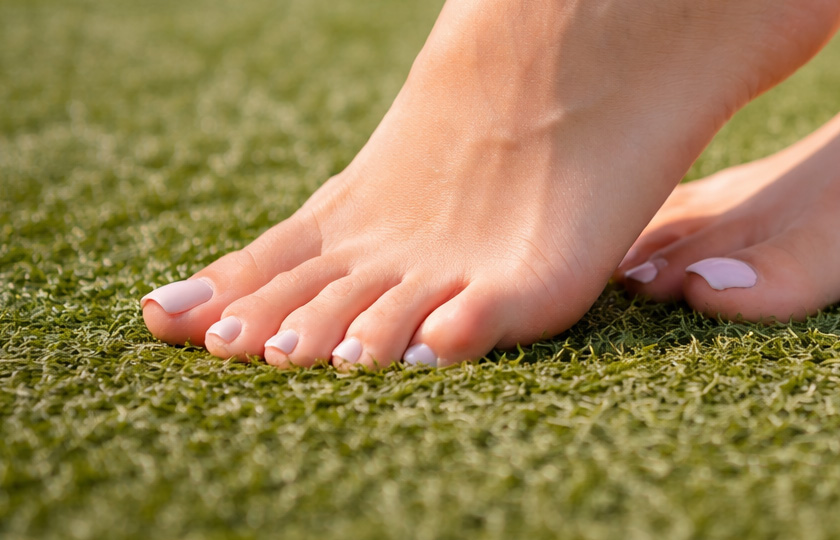
Texture is one of the quietest but most influential elements in barefoot comfort. People often think primarily about softness or temperature, yet the fine surface pattern of a floor determines how skin glides, how stable each step feels and how pleasant the contact is during slow, everyday movement. Even subtle differences in embossing, coating or grain can shift a surface from harsh to gentle or from slippery to reassuring. On the Gold Coast, where people walk barefoot throughout the day, these nuances become even more noticeable.
A lightly embossed hybrid plank can feel warm and forgiving, offering a gentle glide that suits hallways and living spaces. A satin-finished timber board delivers smooth, natural contact that feels familiar and reassuring under the arch. Vinyl with a soft matte coating creates a consistent sensation across every step, avoiding the plasticky feel older products once had. At the opposite end, a glossy tile may look elegant but can feel both cold and slick, reducing that sense of connection people want when moving from indoors to outdoors in coastal homes.
The interaction between the foot's skin and the floor's micro-texture is not just physical but behavioural. Surfaces with the right texture encourage relaxed walking, stable footing and a feeling of ease, while surfaces that are too coarse, too smooth or irregular can make a home feel less welcoming. When the texture is right, people instinctively move more comfortably, and the flooring becomes an invisible part of daily enjoyment rather than something they consciously notice each time they take a step.
Durability, Daily Wear and How These Floors Cope With Real Life
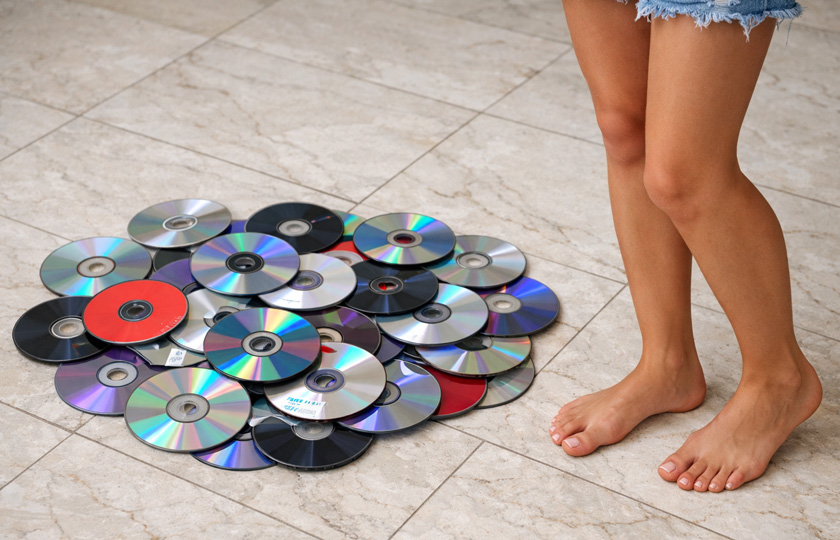
Comfort is only part of the story. A floor also needs to withstand everyday activity, including people wearing shoes, the occasional pair of heels, moving furniture, dropping items and even those moments when a cardboard box needs to be stomped down for recycling on the spot. Different materials respond very differently to these pressures, and understanding their resilience helps homeowners choose a surface that feels inviting without sacrificing practicality.
Poured polyurethane sports flooring is exceptionally durable despite its softness. The cushioned layers absorb impact in a way that protects both the surface and whatever is striking it. Heels do not puncture it, normal shoes cause no damage and the material remains stable even when subjected to firm downward force. People often worry that something this comfortable might be delicate, but polyurethane is engineered for high-performance environments where trolleys, weights and constant foot traffic are normal.
Hybrid flooring is also resilient. Most hybrids resist dents from normal footwear and can tolerate occasional heel pressure, though extremely sharp stilettos may leave minor impressions on some lower-density cores. Crushing boxes, dragging lightweight furniture and everyday household movement pose no issue. The top wear layer protects against abrasion, and the slight flexibility of the plank distributes force more evenly than timber or laminate.
Vinyl plank and sheet vinyl handle pressure extremely well. Their multi-layer construction prevents dents and tearing under normal domestic use. Shoes, heels and firm pressure do not harm the floor, and the surface recovers quickly after forceful contact. Vinyl is often chosen for kitchens and high-activity living spaces for exactly this reason.
Timber introduces more variability. Dense hardwoods handle regular shoes and moderate force with ease, but heels can leave small impressions, especially on softer species. Repeated heavy impacts or dragging sharp edges can mark the finish. Engineered boards behave similarly, though their multi-layer construction adds some stability.
Cork absorbs pressure beautifully but is more vulnerable to very sharp points. Heels with tiny contact areas can leave impressions, and heavy objects with narrow legs may need protective pads. Everyday shoes and cleaning activity are generally well tolerated because cork compresses and rebounds, but it is not as resistant to concentrated force as polyurethane or vinyl.
Carpet softens impact completely, but heels can imprint the pile and sharp items can catch fibres. Its comfort remains unmatched, yet its durability depends on fibre type and pile height rather than its tactile softness.
In practical terms, almost all comfortable flooring types can withstand normal household movement, including shoes and firm downward force. The key difference lies in how they respond to concentrated pressure and whether they rebound cleanly or show impressions over time. For homeowners who want effortless comfort combined with high resilience, polyurethane, hybrid and vinyl offer an ideal blend of softness under bare feet and toughness under real-world use.
Choosing the Right Surface for a Barefoot Home
Understanding how each material behaves allows homeowners to choose what genuinely suits their lifestyle. Some want softness. Some want warmth. Some want smooth glide. And some want silence or seamless aesthetics.
For people who value the absolute pinnacle of barefoot comfort, poured polyurethane sports flooring sits at the top of the list. It feels unlike anything else, combining warmth, softness and a modern look that visually blends into contemporary interiors. Hybrid, vinyl plank, cork and timber all sit in the next group, each providing excellent everyday comfort with different aesthetic benefits. Carpet remains unmatched for softness but limited in where it can be used.
The key is matching the material not just to the home, but to the lived experience of the people who walk through it every day. In a lifestyle-focused region, choosing flooring that feels extraordinary under bare feet can transform a house into a place that feels genuinely pleasurable from the ground up.
You might also like
Disclaimer: Every effort has been made to ensure the accuracy of the information provided, but we make no guarantees regarding its completeness or reliability. The data is presented for general informational purposes only and does not constitute financial, investment, or legal advice. We are not liable for any errors, omissions, or consequences arising from its use. Users should verify details with relevant sources and seek professional advice where appropriate for the most accurate and up-to-date guidance.