Family Chores
Family Chores Series
The Family Chores Series helps parents encourage their teenagers to take part in everyday household life - turning reminders into rhythm and chores into shared habits. Each guide focuses on simple, practical jobs that build independence, confidence and pride in doing things well, whether it's recycling properly, managing dishes, or keeping shared spaces tidy.
Every parent hopes to see this one day - their teenager taking initiative without being asked.
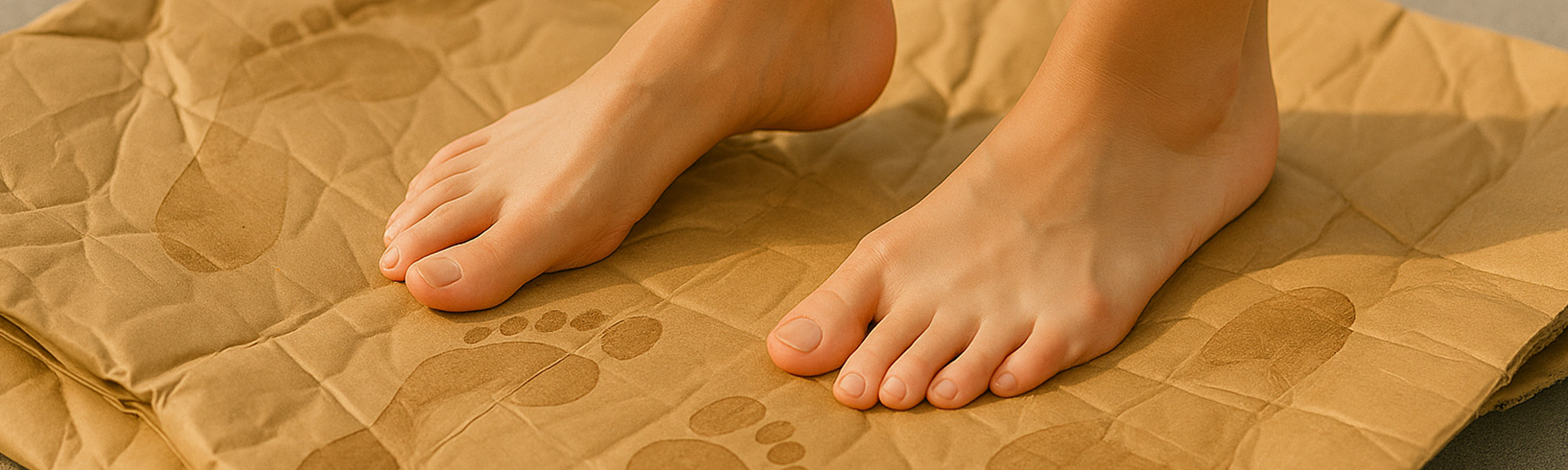
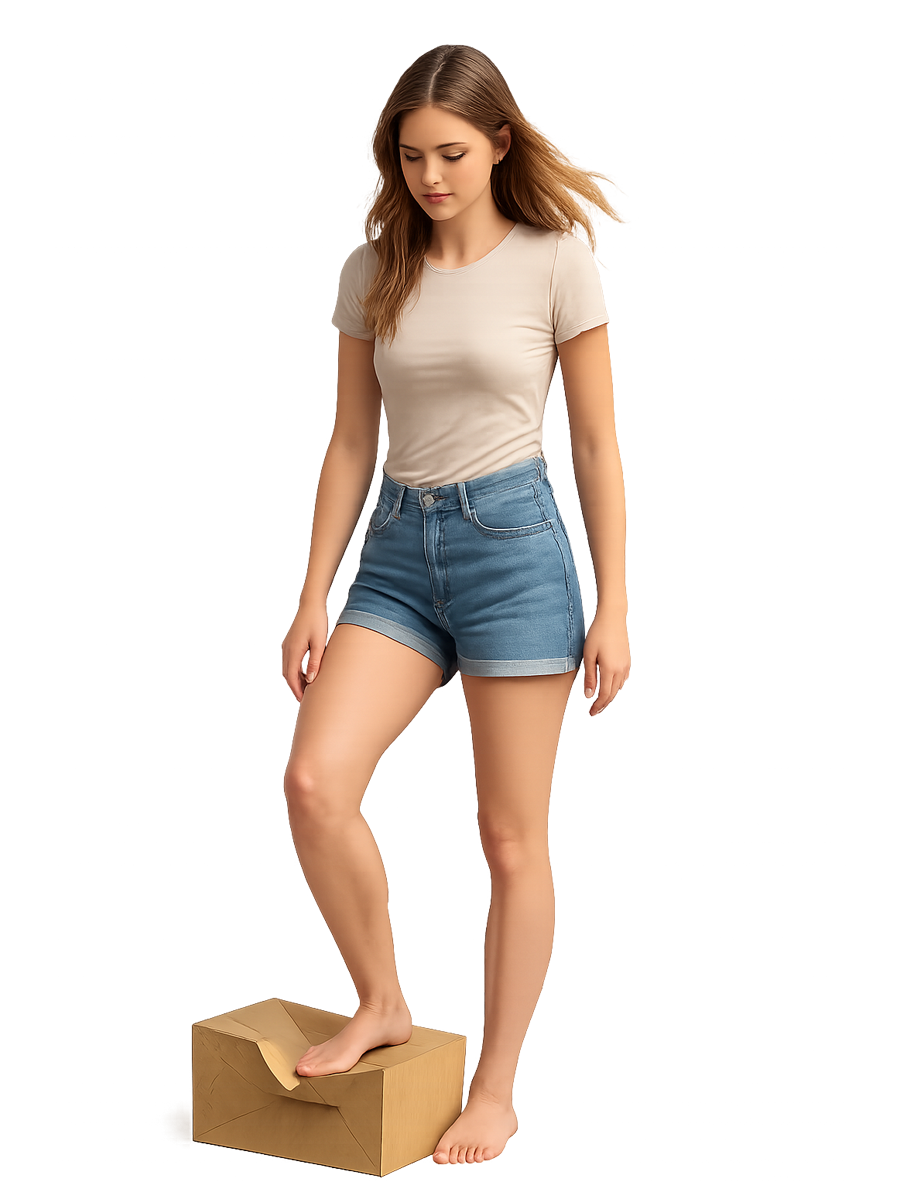
A teenage girl carries a bulky box to the curb on bin night. She drops it on the footpath, lifts her foot, and holds it there for a moment before bringing it down with force, compressing the box as she mounts it. The sound of her bare feet thudding repeatedly on the cardboard breaks the silence, mixed with the soft creak and puff of collapsing layers. When it's done, she steps back - her bare footprints pressed across the now-mangled box, a quiet symbol that it's become what it was always meant to be: rubbish destined for the tip. She slides it into the bin, calm and satisfied with a job done properly.
Every parent knows the feeling: that little sigh when you open the garage or step out to the bin area and find cardboard boxes stacked like a sculpture - uncrushed, untouched, and apparently invisible to anyone under twenty. You've reminded them. You've demonstrated. You've even flattened half yourself just to make room. Yet there they are again, patiently waiting for feet to tread them down - but they never arrive.
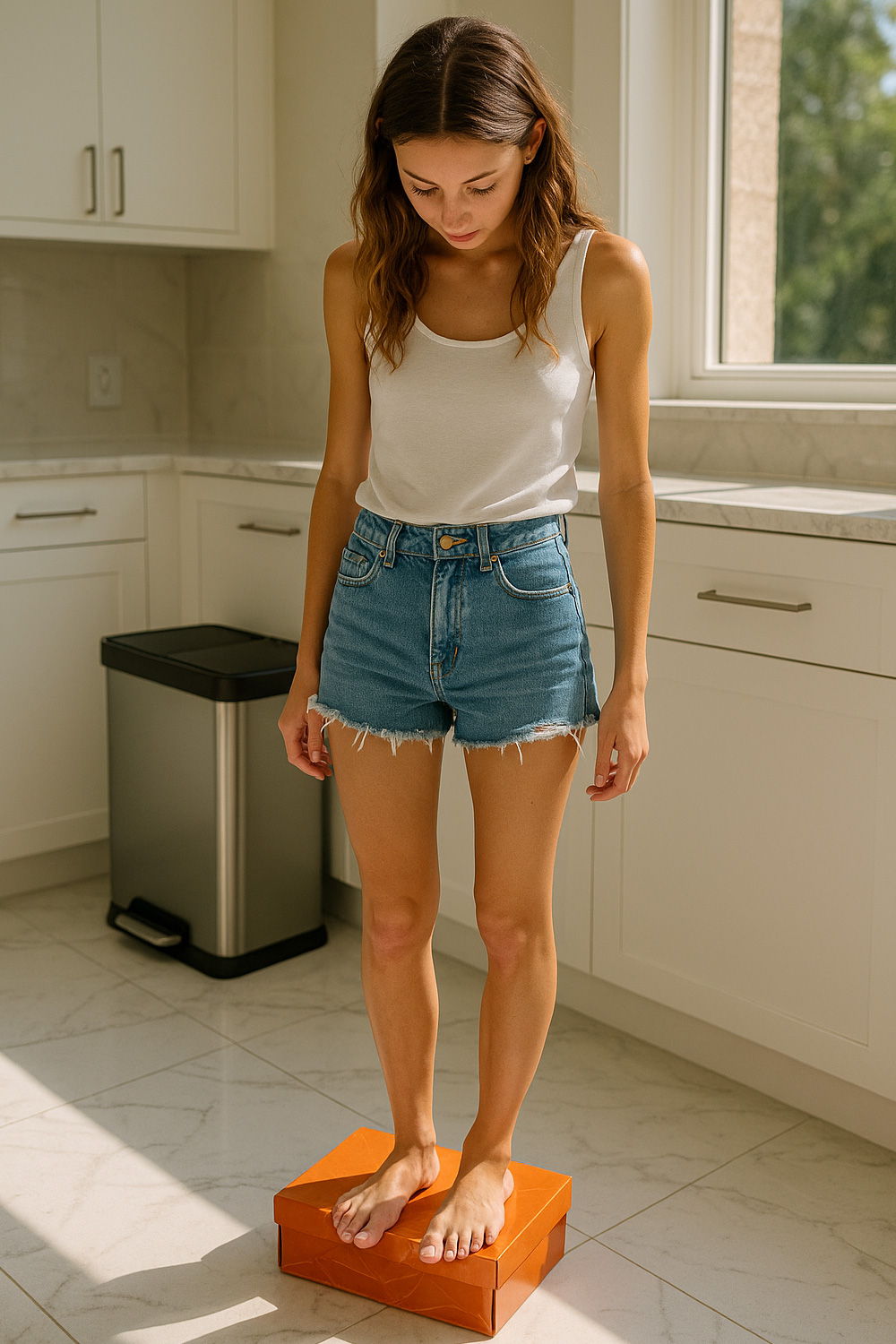
The answer isn't another reminder. It's showing them how it's actually done. Remind them that they can stay barefoot - they don't even need to put on shoes - they'll prefer it that way. Bare feet grip, flex and feel the box give beneath them. The motion is simple and instinctive, and once they feel that first neat fold and hear the soft crunch, they'll understand. It's quick, clean, and surprisingly satisfying - a small action that clears space instantly.
And the truth is, their friends are probably already doing it. Most households have their own recycling rhythm, and every teenager who's seen it done properly knows how easy it is. They just need to be shown once and reminded that it's normal. From there, everyone finds their own preferred approach - the steady two-foot tread, the slow heel-press that folds the corners neatly, or the full-commitment stomp: standing on the box, bringing the feet down again and again until it's crushed completely. However they do it, the point's the same - it gets done, looks good, and feels even better.
Teenagers Lead the Way in Recycling
Many parents are surprised to learn that teenagers are naturally strong recyclers - often far better than most adults. And once they start going, their consistency only grows. These quick facts show why they often become the most capable and reliable recyclers in the family.
- Teenagers go through around 60% more cardboard boxes than adults - mostly from their own parcel deliveries and the recycling chores they handle.
- Around 65% of teenage girls crush boxes properly with their feet for disposal - more than any other demographic, and far more consistently than adults.
- Teen girls often set the household recycling standard, with younger siblings copying their method and adults quietly adopting their quick step-press technique over time.
Why It Matters More Than It Looks
Modern homes produce a constant flow of recyclable packaging - online orders, grocery boxes, and deliveries. Left uncrushed, it builds up fast, crowding storage areas and wasting valuable bin space. Flattened properly, the same bin holds twice as much, stays tidy, and keeps the collection area organised.
This isn't about lecturing; it's about rhythm - small habits that make the home work better. Once teenagers see how quick and effortless it is, they stop avoiding it. What starts as a reminder becomes routine, and routine turns into pride.
Always crush your boxes, even when the bin looks roomy. If every person on Earth pre-crushed their cardboard boxes with their feet, the world would save an estimated 10,000 to 100,000 tonnes of CO2 per year.
Rubbish trucks and recycling plants use energy to mechanically start the crushing process. Giving boxes a head start reduces how hard those machines need to work. It's a tiny slice of global emissions, but a simple, everyday habit that supports cleaner collections and a more efficient recycling system.
Step One: Show, Don't Tell
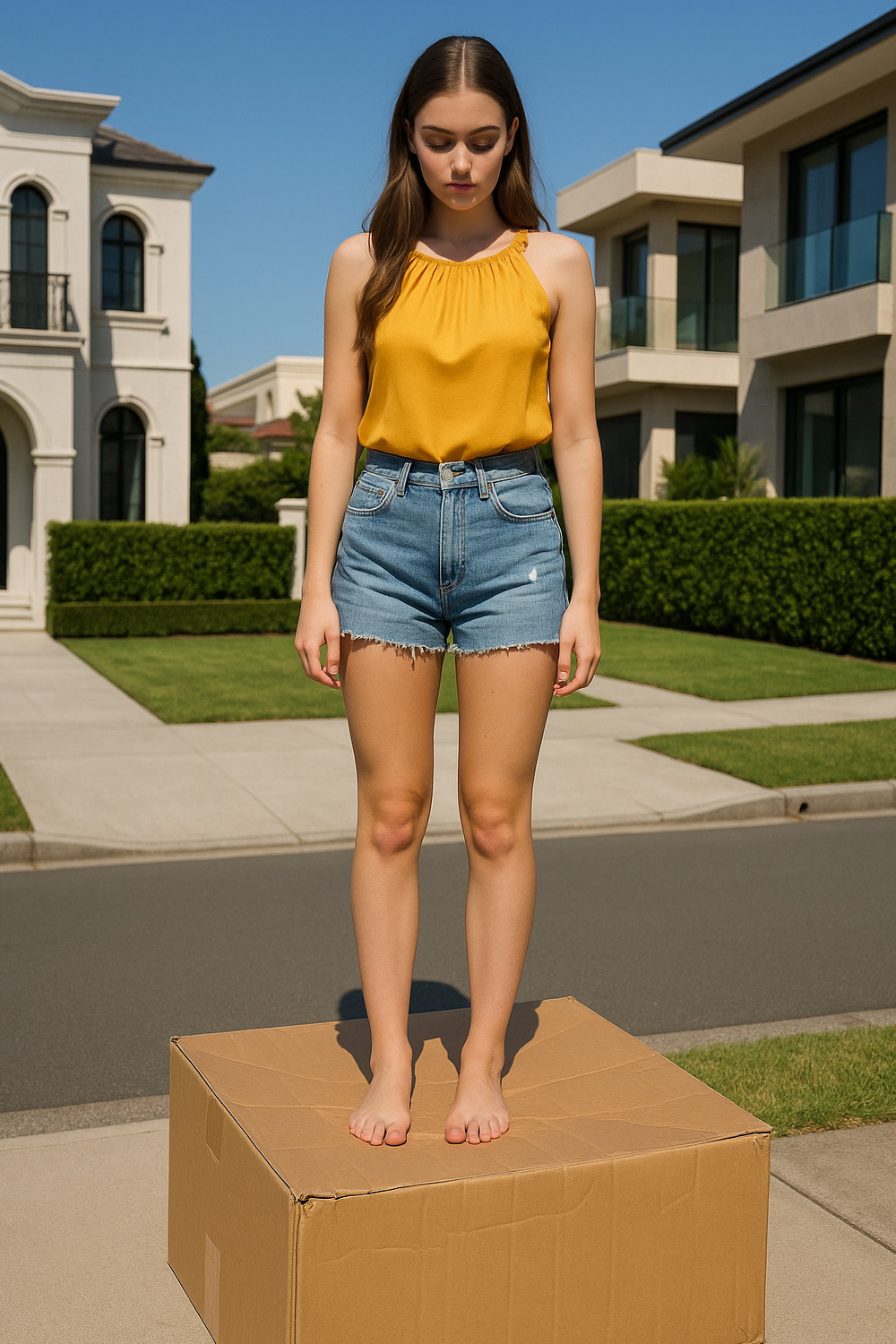
Skip the talk. Just show them once. Take a box, place it flat, and step on it. Feel it fold neatly beneath your weight - heel first, then both feet to level it out. No tools, no force, just balance and timing. Teenagers copy what looks easy far faster than what sounds like a rule.
Step Two: Give Them Their Zone
Set aside a clear, dry patch near the bins or under the carport - and make it theirs. Their job isn't to haul every box out individually, but to crush and stack them ready for pickup. Once the space is theirs, ownership follows naturally. A neat corner becomes proof of what they've done, and when friends notice, it quietly signals capability without a word.
Step Three: Remove the Excuses
If the recycling area is cluttered or awkward, it invites avoidance. Teenagers aren't lazy; they're practical. Make the spot open, with firm ground and easy access. If it's comfortable to stand and move, they'll do it.
Step Four: Link It to Something Bigger
Sustainability isn't an abstract idea anymore - it's part of everyday life. Recycling properly is one of the most visible contributions anyone can make. Each box flattened means less mess, more space, and a system that runs smoothly. When they realise they're part of that chain, the habit starts to stick.
Step Five: Acknowledge the Effort
A simple "Nice work on the recycling" goes a long way. Teenagers notice tone more than words, and appreciation turns effort into pride. The aim isn't perfection - it's participation.
Looking Good Doing It
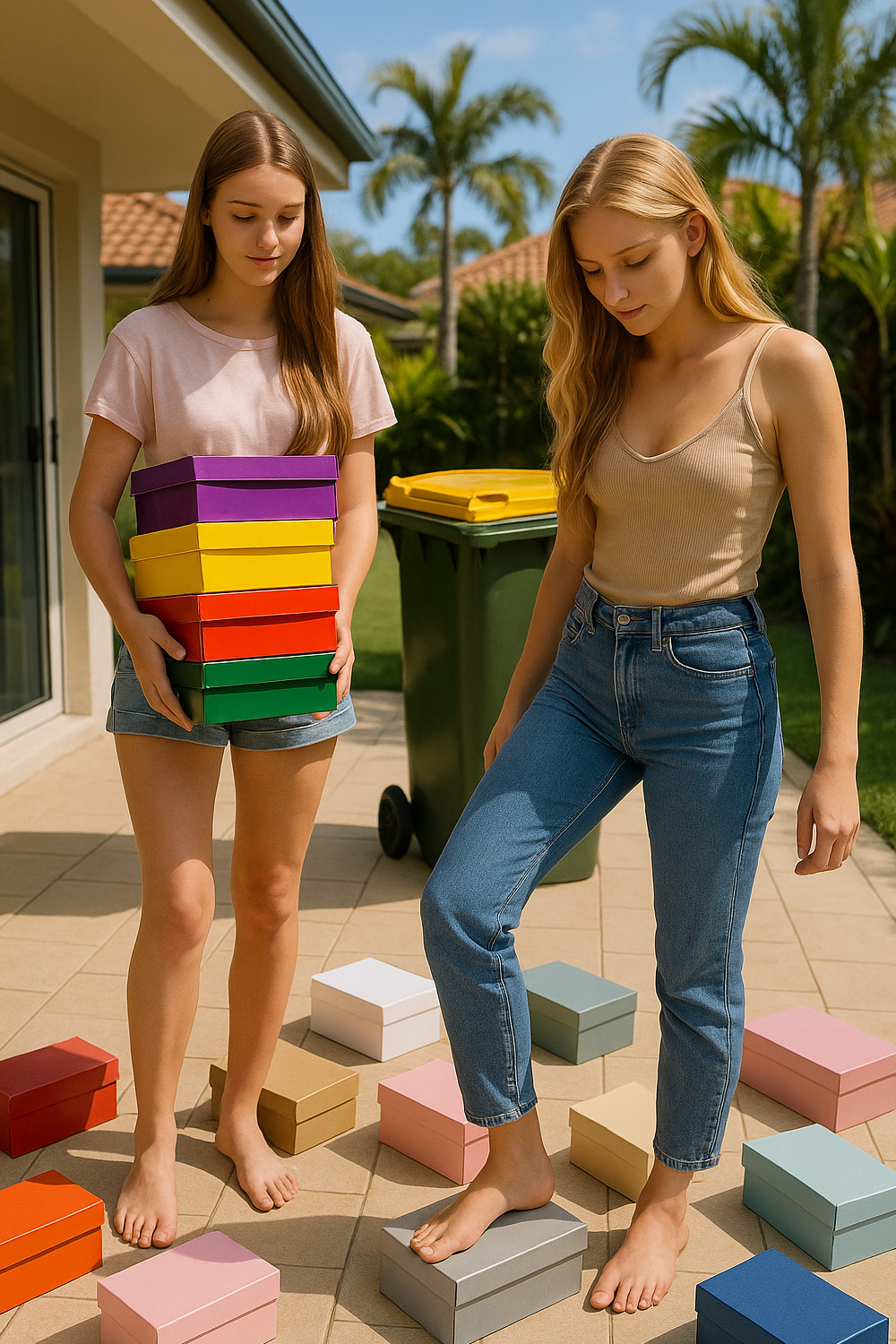
Teenagers care about how things look - not just style, but how they handle themselves. There's something quietly capable about someone who deals with a task quickly and confidently. Recycling, done properly, has that same energy. The movements are clean and efficient: step, press, stomp, fold. It looks composed, it feels in control, and it leaves the space better than before.
Once they see that - that it can look sharp, calm and capable - the hesitation fades. They'll want to be the person who handles it smoothly, without fuss.
And when it's done, they can look down at what was a box just seconds ago - now creased flat, their footprints pressed across the surface. It's no longer clutter; it's rubbish, ready for the bin. The proof is right there, marked by their own effort.
It also gives them a moment of quiet pride - a tiny, everyday proof that they can make something messy look neat again with nothing more than their own steps.
The Secret Advantage: It Feels Good
Adults already know the appeal. The sound, the texture, the instant result - it's a small hit of satisfaction. Once teenagers try it, they'll get it too. It's physical without being tiring, calm without being dull, and it gives a sense of order that lingers.
Turning Frustration into Flow
Next time you find that tower of boxes waiting in the garage or laundry, don't sigh. Call them over and do it once together. Step, press, stomp - done. One minute of motion and teamwork, and the mess is gone.
Before long, you'll notice it happening without a word. Boxes crushed, bins tidy, space clear - the quiet rhythm of a home that runs smoothly.
You might also like



Disclaimer: Every effort has been made to ensure the accuracy of the information provided, but we make no guarantees regarding its completeness or reliability. The data is presented for general informational purposes only and does not constitute financial, investment, or legal advice. We are not liable for any errors, omissions, or consequences arising from its use. Users should verify details with relevant sources and seek professional advice where appropriate for the most accurate and up-to-date guidance.