
Family Chores
Family Chores Series
The Family Chores Series helps parents encourage their teenagers to take part in everyday household life - turning reminders into rhythm and chores into shared habits. Each guide focuses on simple, practical jobs that build independence, confidence and pride in doing things well, whether it's recycling properly, managing dishes, or keeping shared spaces tidy.
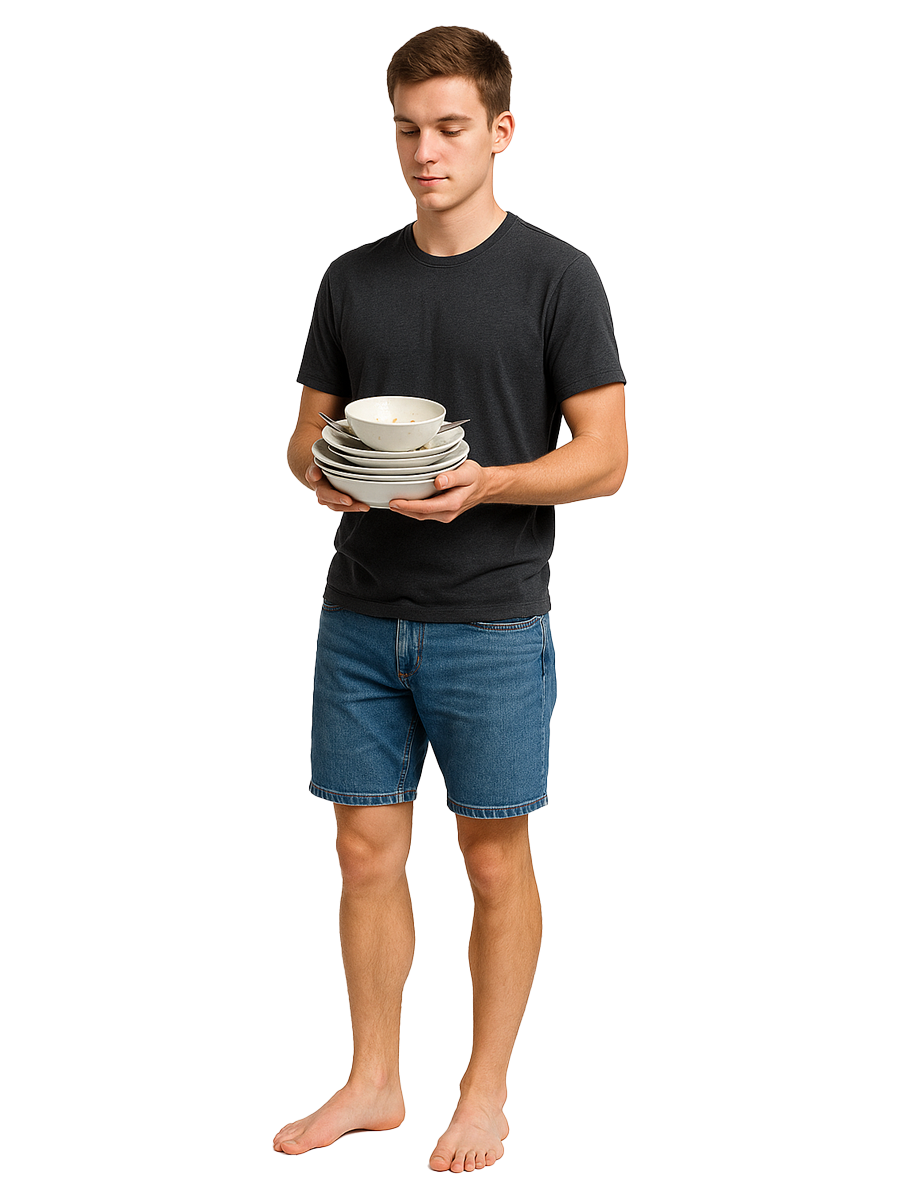
Every parent hopes to see it one day - their teenager cleaning the house without being reminded.
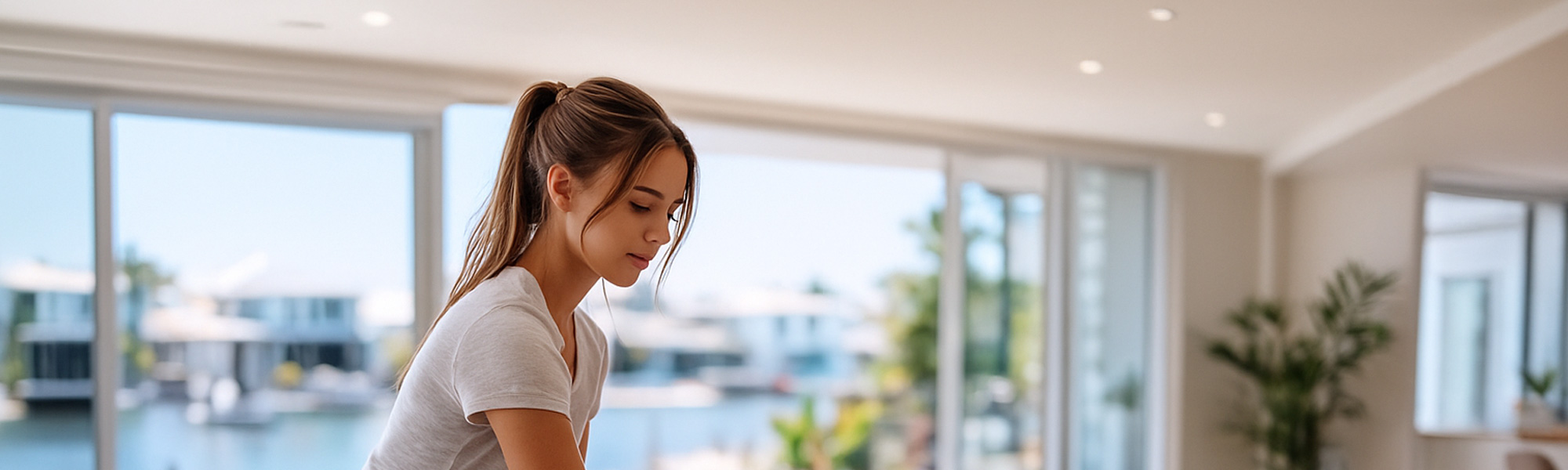
A teenage daughter walks through the living room with a cloth in one hand and a spray bottle in the other. She straightens a cushion, wipes the table, and gathers stray shoes into a neat line by the door. No one asked. No reminders, no sighs - just calm movement and the soft scent of citrus cleaner. Her parents exchange a look that says everything: she's starting to see the house the way they do.
Every home has its rhythm - a balance between living and keeping things livable. Parents feel it first when it slips out of tune: shoes piling up, crumbs collecting under the counter, towels left damp on the bathroom floor. Teenagers, absorbed in their own worlds, often drift through the mess without seeing it. Teaching them to notice and respond to disorder is one of the most valuable lessons a parent can give - not because it's about spotless rooms, but because it's about awareness, respect, and maturity.
Understanding Why It Matters
Cleanliness isn't just a rule; it's an atmosphere. A clean house breathes easier - air flows, light reflects, everything feels calmer. Teenagers who learn to care about that balance start connecting effort with comfort. They see that order doesn't just appear on its own; it's created and maintained, quietly, by someone who cares. When they begin to share that responsibility, they stop being guests and start becoming participants in family life.
From Avoidance to Awareness
The first step isn't to lecture, but to build awareness. Ask your teenager what they notice when they walk into a messy room. Do they see the clutter, or do they look past it? Once they start noticing what's out of place, ownership begins to form naturally. Parents can model this without words - wiping a surface as they walk past, folding a throw blanket as they sit down, or picking up something left behind with a casual, "Makes the room feel better, doesn't it?" Those small gestures teach more than any checklist ever could.
Starting Small and Building Routine
Teenagers are more likely to care about cleanliness when they feel responsible for a specific space. Their bedroom is the best place to start - it's theirs alone, a small world they control. Once they get used to keeping that space in order, it becomes easier to extend the same care to shared areas such as the kitchen, bathroom, or hallway.
Daily rhythm helps. Beds made, clothes put away, and surfaces cleared become natural anchors in the day. A little extra time each week can be devoted to dusting, vacuuming, or wiping mirrors and windows. In shared areas, rotating duties keeps things fair and builds appreciation for what others do. The key isn't perfection; it's rhythm - knowing that small, regular actions prevent bigger messes later.
The Psychology of Space
Clean spaces affect mood. A teenager who tidies their room before studying often feels calmer and more focused. The act of cleaning - wiping, arranging, folding - brings a quiet sense of control. On the Gold Coast, where air and light flow through open windows, the effect is even more pronounced. A freshly cleaned room with sea breeze and sunlight feels alive again. Helping teenagers connect that physical clarity with mental ease turns cleaning into self-care rather than obligation.
Tools and Techniques
Make cleaning practical. Keep supplies within easy reach so there's no excuse for putting it off - a spray and cloth in the bathroom, a vacuum where it's visible, a mop near the laundry. Show them which products are safe for each surface, how to clean glass without streaks, and why wiping properly matters more than speed. Encourage them to clean as they go rather than waiting for the weekend. A quick wipe after brushing teeth, a minute spent tidying before bed - these are the habits that build lasting order.
Some families prefer to clean together, turning on music and sharing the effort for half an hour. Others prefer independence, letting each person manage their own zones. Both methods work, as long as everyone stays accountable and the standard stays visible.
Encouragement Without Nagging
The hardest balance for parents is between expectation and appreciation. Too much pressure breeds resistance; too little attention lets things slip. The best approach is gentle recognition - noticing the result rather than demanding the act. A simple “Thanks for doing that, it really makes a difference” lands far better than a detailed critique of what they missed. When they forget, keep reminders short and neutral: “Your room's ready for a reset,” or “Could you give the bathroom a once-over today?” Cleaning isn't a battle - it's a rhythm that occasionally needs tuning.
When It Clicks
There's always a moment when something changes. It might be subtle - your teenager returning home and instinctively wiping the bench before setting down their bag, or straightening the cushions after watching TV. That's the point where awareness becomes instinct. The house looks cleaner, but more importantly, they've stepped into ownership. They've stopped being a passenger in their own home.
That shift carries forward. Teenagers who understand cleanliness as part of care take that mindset wherever they go - into shared apartments, rentals, or future family homes. They won't see cleaning as punishment, but as a way of maintaining comfort and respect.
Building a Shared Standard
A truly calm home comes when everyone contributes. Teenagers see that parents aren't naturally neat - they simply make time to keep things that way. When they join that cycle, the home feels shared rather than managed. Parents who include their teens in regular whole-house resets - before guests arrive, after holidays, or at the end of each week - create teamwork and accountability without tension. It becomes a habit rooted in pride rather than duty.
A Quiet Pride
Clean rooms and clear surfaces seem simple, but they represent something profound. They show that a young person values their environment and respects the people who share it. That's the real goal of teaching house cleaning - not spotless floors, but awareness and calm.
When a teenager reaches that point, parents can feel it instantly. The house feels lighter, easier, and somehow more grown-up. The same walls and floors, but now maintained by more than one set of hands. It's a shift that turns a family home into a shared home - and it begins with one teenager picking up a cloth, unprompted, because they understand what it means to care for where they live.
You might also like



Disclaimer: Every effort has been made to ensure the accuracy of the information provided, but we make no guarantees regarding its completeness or reliability. The data is presented for general informational purposes only and does not constitute financial, investment, or legal advice. We are not liable for any errors, omissions, or consequences arising from its use. Users should verify details with relevant sources and seek professional advice where appropriate for the most accurate and up-to-date guidance.