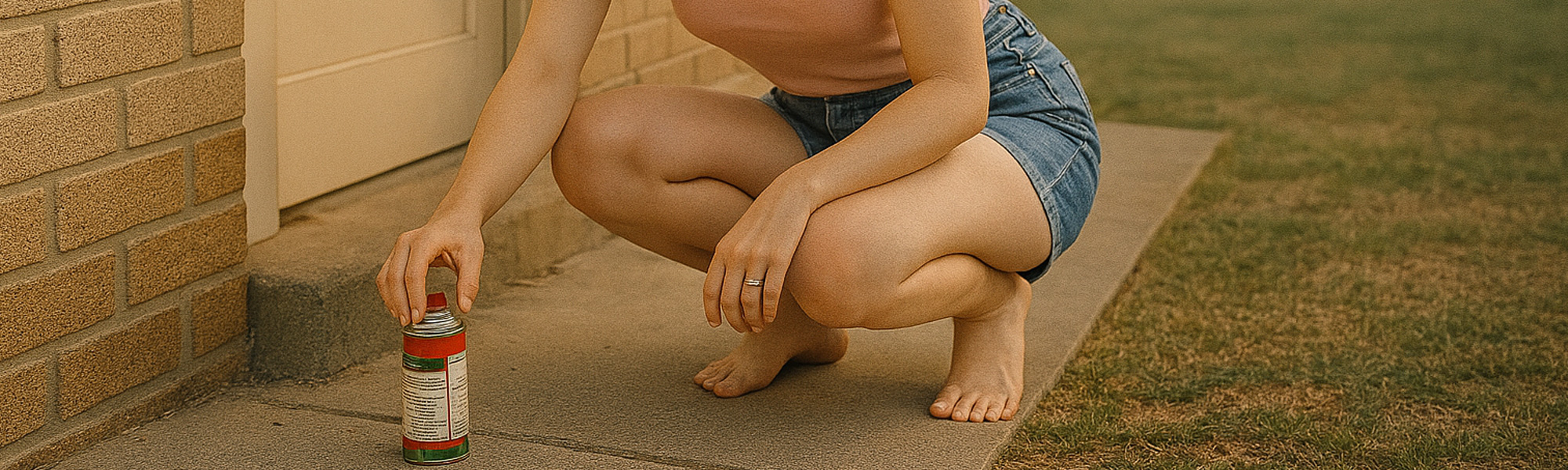
Modern pest control feels like a familiar part of domestic life, a set of predictable habits woven quietly into the routines of cooking, cleaning and maintaining a safe home. A can of fly spray near the pantry, a shoe ready for the occasional roach, a quick wipe of a benchtop to erase an ant trail, or the comforting hum of a zapper on a summer night all feel like contemporary conveniences. Yet these practices are the product of more than a century of shifting attitudes, evolving technology and changing expectations about how Australian families manage the small creatures that wander indoors.
Long before commercial sprays, plug-in deterrents and professional services became part of the suburban toolkit, households relied on a combination of instinct, improvisation and whatever simple tools they had on hand. Pest control was closer to a personal skill than a specialised service, shaped by climate, local fauna and the resourcefulness of the era.
The Early Home: Speed and Improvisation

In the nineteenth and early twentieth centuries, domestic pest control was largely a matter of quick reactions and practical knowledge passed from one generation to the next. Homes were built with timber, gaps and exposed eaves were common, and Australia's insects were ever present. Families kept an eye out for ant lines, spiders, moths, weevils and roaches, responding moment by moment as they appeared.
Most households simply used their hands, feet or whatever objects were within reach. A broom took care of spiders on the wall. A heavy shoe, a rolling pin or a folded newspaper became a quick and effective way to kill crawling insects on the floor. Pantry pests were shaken out, sun-dried or discarded entirely. Very little was packaged, and very little sat long enough to develop infestations, so responses were immediate rather than preventative.
Kerosene, soap flakes, vinegar and boiling water were early favourites for managing ant and roach activity. None offered lasting barriers, but they created short periods of relief and fit naturally within the cleaning routines of the era. Homes were ventilated, windows were open more often than not, and insects drifted through daily life with little ceremony.
The Arrival of Modern Chemistry in the Home
The mid-twentieth century brought new expectations about hygiene, modern living and domestic convenience. As Australian suburbs expanded after the Second World War, so did the availability of commercial chemical solutions. Sprays containing pyrethrum became common, valued for their immediate knockdown effect on flies and roaches. Powders and baits appeared shortly after, offering a level of targeted control that previous generations had simply never experienced.
Families now had the ability to treat specific areas rather than reacting to whatever wandered across a floorboard. Kitchens, pantries and laundries became zones of vigilance. A quick spray around a bin or a crack in a skirting board felt like a revelation, something both powerful and accessible. The idea that a single product could manage an entire category of pests transformed home habits almost overnight.
At the same time, the notion of preventative control took hold. Instead of merely responding when insects appeared, households began sealing food in tins and jars, storing dry goods carefully and paying more attention to cleanliness as a form of defence. Hygiene and pest control intertwined, reinforcing each other as symbols of a well-kept home.
The 1970s and 1980s: When Pest Control Became Everyday
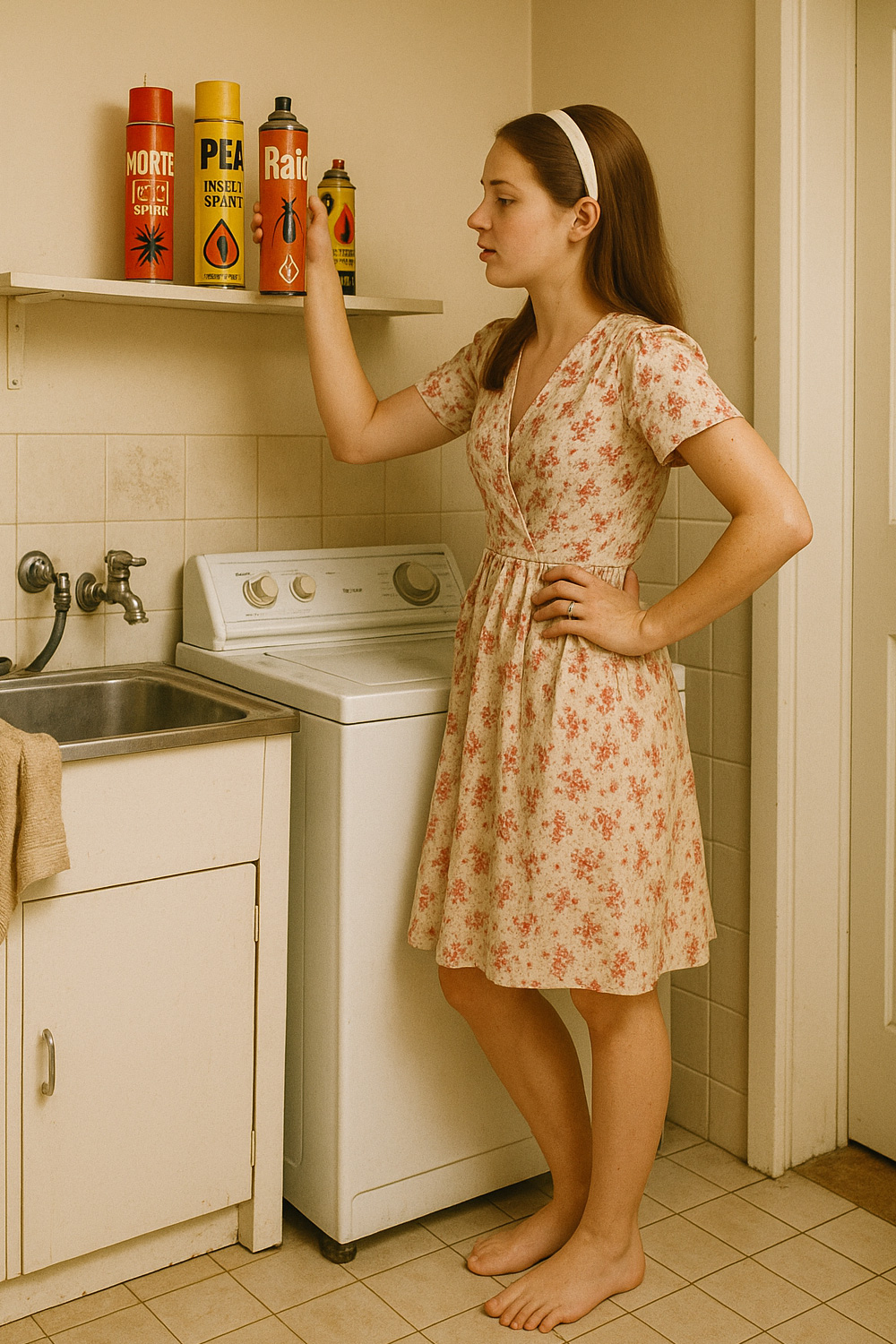
By the late 1970s and through the 1980s, pest control had become a fixture in suburban cupboards. Fly spray sat beside dishwashing liquid under kitchen sinks. Cockroach baits found a place behind bins or fridges. Families became familiar with the light chemical scent that drifted through the house on summer evenings, a sign that someone had seen something and dealt with it quickly.
It was during these decades that home pest control became truly routine. A can of spray offered authority. People acted decisively because they trusted the product, and they used it not only to remove an insect but to restore peace to the room. The process of spraying and stepping on insects became a recognisable domestic rhythm across Australian households, a reassuring demonstration that control was always within reach.
Barefootedness played its own unspoken role in this era, particularly in warmer states. Many families simply finished the job with their feet. A spray reduced movement, and a quick step applied certainty. It was a pragmatic, ordinary solution shaped by climate, tiled floors and the casual comfort of Australian homes.
The Rise of Professional Services and the Fear of Hidden Pests
From the 1990s onward, the growing affordability of professional pest management reshaped expectations once again. Termite inspections became standard for homeowners. Preventative perimeter treatments became common in new builds. People began thinking about pests not just as occasional intruders but as structural threats.
This shift in attitude was driven as much by marketing as by genuine concern. The idea of hidden colonies or silent damage encouraged households to take a more serious view of pest management. Annual inspections, scheduled treatments and branded home products entered the mainstream. The casual sprays of the past still existed, but they now sat alongside bigger, more formal choices about protecting the home long term.
Contemporary Habits: A Blend of Old and New
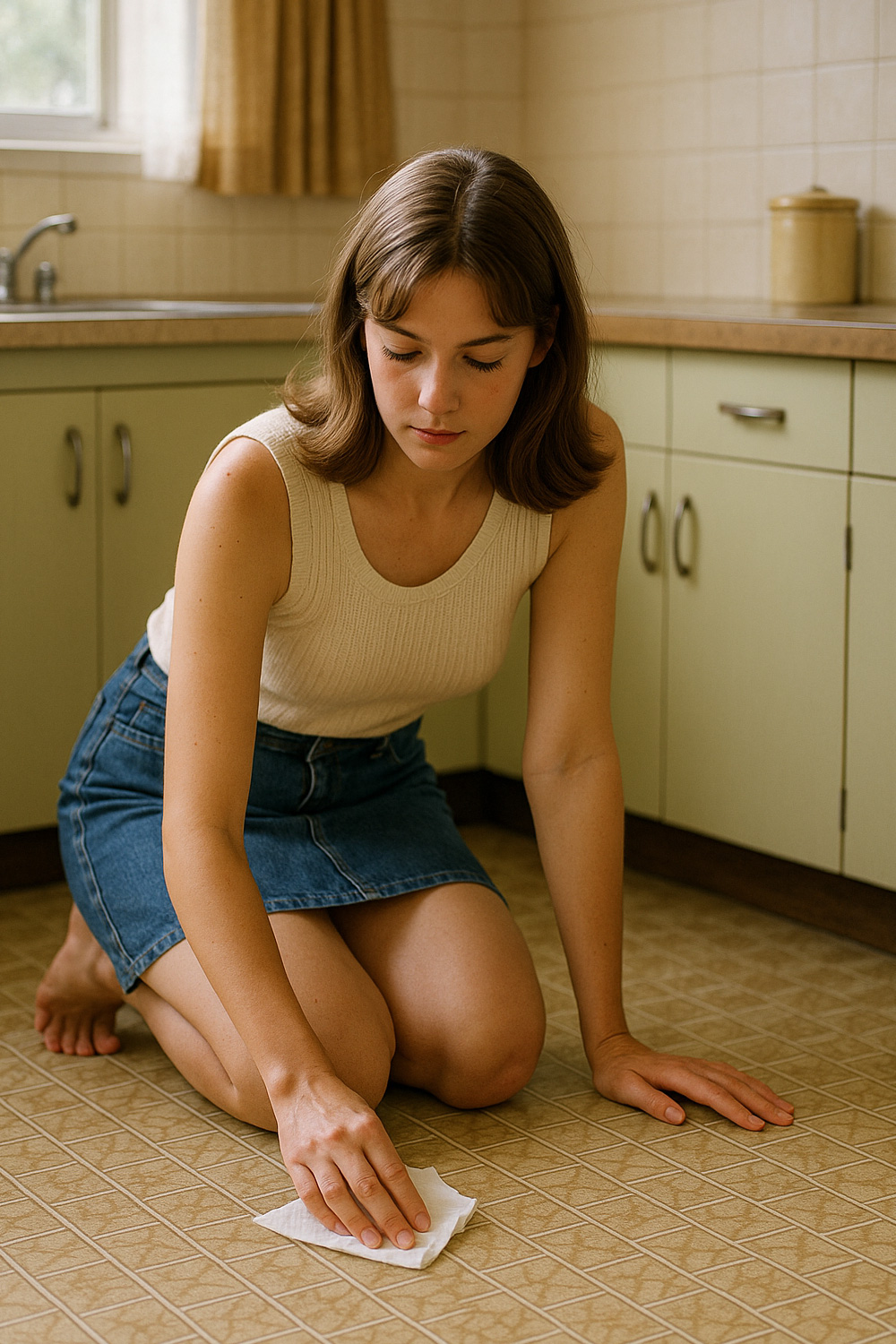
Today's pest control culture blends generations of instinct with decades of chemical development and modern efficiency. People still react quickly when an insect appears in the wrong place. The nearest shoe, the sole of the foot or the edge of a cleaning cloth still plays a role in thousands of everyday encounters. But homes also rely on safer formulations, improved baits, targeted gels and smart detectors that track activity behind the scenes.
Many households use sprays sparingly, preferring barriers, gels or non-toxic deterrents. Others still reach immediately for the familiar can, trusting the simple, fast response that has defined Australian pest control for half a century. What remains constant is the desire for reassurance. Every method, whether old or new, aims to restore a sense of normality to the room and reassert the home as a place of calm.
How Younger Generations Have Evolved Their Foot-Based Approach
Younger people have reshaped a long-standing household habit in subtle but noticeable ways. Stepping on an insect was once a single, instinctive act carried out the same way in nearly every home. But today, people are exposed to thousands of small domestic moments through social media, and this constant visibility has influenced even the simplest decisions. Pest control is no exception.

Instead of relying on one automatic movement, younger adults often adapt how they use their feet depending on the insect, the surface beneath them or how controlled they want the moment to feel. These differences aren't dramatic, but they are deliberate. They come from watching how others handle the same situations, comparing approaches, absorbing quiet cues about efficiency, cleanliness or confidence, then settling into patterns that feel right for them.
This shift is not about creating complex techniques. It is about personalising a familiar action. Online spaces have normalised the idea that everyday tasks can be done in slightly different ways, and people now instinctively apply that thinking to small moments around the house. What emerges is a set of subtle variations that give younger generations a sense of control tailored to each situation.
It is still the same basic method people have used for decades, but no longer performed as a single uniform gesture. Instead, it has evolved into a flexible, adaptive choice shaped by exposure to other people's habits and an awareness that even simple actions can be adjusted to suit the moment. This quiet evolution reflects how modern domestic life works: shared, observed and refined in countless small ways.
A Quiet Evolution
The history of home pest control is not one of dramatic inventions but of small, practical improvements that shaped how families live. It moved from instinct to chemistry to professionalism, each layer adding confidence and convenience. Yet in many ways, very little has changed. When an insect appears, most people still rely on the most immediate tools available, guided by the same impulses their grandparents understood instinctively.
The modern home may carry more options and more advanced products, but the heart of pest control remains the same. It is a quiet, everyday practice rooted in comfort, decisiveness and the simple need to make a space feel safe again.
You might also like





Disclaimer: Every effort has been made to ensure the accuracy of the information provided, but we make no guarantees regarding its completeness or reliability. The data is presented for general informational purposes only and does not constitute financial, investment, or legal advice. We are not liable for any errors, omissions, or consequences arising from its use. Users should verify details with relevant sources and seek professional advice where appropriate for the most accurate and up-to-date guidance.