
Moving day is stressful enough - and if you have toddlers or young kids, the last thing you want is accidents while you are still surrounded by boxes. The good news is you do not have to finish the whole house before it is safe. Focus on the highest-risk areas first, then layer in extra protections as you unpack.
This guide provides general information to help reduce risk at home - it is not a substitute for professional advice. Always check the latest local requirements and standards, including product standards and instructions. In an emergency call 000. For poisoning advice call the Poisons Information Centre on 13 11 26.
1. Secure the Essentials on Day One
Before you even tackle boxes, deal with the biggest risks.
- Keep cleaning supplies, medicines, and sharp tools in high cupboards, well out of reach
- Check that all doors to outside areas latch properly
- Block access to stairs with a portable gate
- Unplug floor lamps and move cords out of reach
- Set up a safe play space with toys while you unpack
2. Make the Kitchen Kid-Safe
The kitchen is the most common hazard zone, so handle it early.
- Fit cupboard locks
- Move knives, scissors, and glassware to higher cupboards
- Keep kettles, toasters, and cords pushed back on benches
- Install stove knob covers if possible
- Check fridge and freezer door seals - some kids love to climb
3. Bedrooms and Play Areas
Safe sleep and safe play make the whole move easier.
- Anchor heavy furniture like dressers, bookshelves, and TVs to the wall before filling them
- Place cots and beds away from windows, blinds, and cords
- Use outlet covers in every room
- Remove small objects from the floor before kids explore
- Set up one safe zone room with toys so kids have somewhere to settle
4. Bathrooms and Wet Areas
Water risks need quick controls.
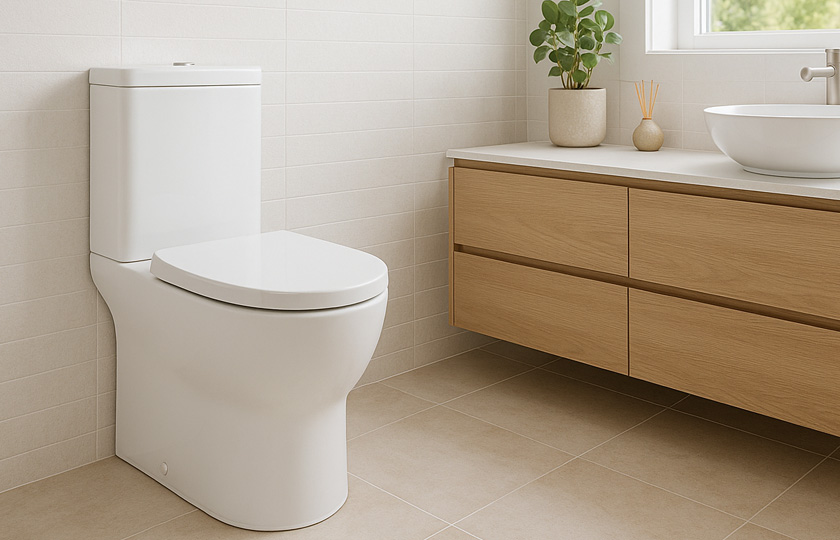
- Install toilet lid locks or keep bathroom doors shut
- Put non-slip mats inside and outside the bath or shower
- Ensure the hot water system is set to a safe maximum temperature
- Keep razors, cosmetics, and medicines high up
- Check for mould or leaks before letting kids explore
5. Living Areas and General Hazards
Fix the common trip, fall, and pinch points.
- Cover sharp furniture corners with bumpers or temporary guards
- Tidy cords with clips or cord boxes
- Check that windows and balcony doors lock securely
- Move breakables and plants out of reach
- Keep front and back doors locked - toddlers are quick escape artists
6. Outside Safety
Do not forget the garden or balcony - kids head outside fast.
- Check all pool fences and gates are secure, and self-latch correctly, and make sure nothing climbable is placed close-by.
- Lock sheds and garages if chemicals or tools are inside
- Remove pot plants or buckets with standing water
- Check balcony railings for gaps wider than a small fist
Spot the Hazards Walkthrough
Do a slow room-by-room sweep at child height. Look for what a child can reach, pull, climb, chew, or get fingers into.
- Scan from floor up to bench height for small parts, cords, hot items
- Move anything tempting at toddler height out of reach
Tip-Over and Anchoring
Prevent furniture tip-overs before you load shelves.
- Anchor bookcases, dressers, TVs, and anything else that could fall over to studs using the correct kits
- Store the heaviest items low and keep drawers closed when not in use
- Avoid placing toys on top shelves that encourage climbing
Choking, Small Parts, and Magnets
Anything that fits into a small parts tester is a choking risk.
- Scan floors for coins, button batteries, beads, Lego, pen caps, and earrings
- Keep bowls of nuts, hard lollies, grapes, popcorn and other similar choking hazards away from young children
- Avoid products with small high-powered magnets around children
Button Batteries
Button and coin batteries can be life-threatening if swallowed.
- Check remotes, scales, toys, flameless candles, and key fobs have secured battery doors
- Store spare batteries locked up and tape used batteries before disposal
- If ingestion is suspected - call the Poisons Information Centre on 13 11 26 and go to emergency
Window, Balcony, and Blind Cord Safety
Prevent falls and cord entanglement.
- Fit window locks or restrictors so openings are limited
- Keep furniture away from windows and balcony railings
- Secure blind and curtain cords correctly
- Confirm balcony and balustrade gaps are too small for a child to pass through
Water, Pools, and Drowning Prevention
Barriers and supervision save lives.
- Ensure pool and spa barriers meet the correct standards and that gates self-close and self-latch
- Remove climbable objects near pool fences and never prop gates open
- Empty paddling pools after use and tip out buckets and tubs
Hot Water, Burns, and Scalds
Most scalds happen in kitchens and bathrooms.
- Set hot water delivery to a safe max and test before kids bathe
- Keep hot drinks, kettles, and pan handles back from the edge
- Use non-slip mats and test bath water with your elbow or a thermometer
Chemicals, Medicines, and Poisons
Child-resistant is not child-proof - store high and locked.
- Lock away medicines, cleaning products, chemicals, and car supplies
- Keep products in original containers with labels intact
- Post the Poisons Information Centre number 13 11 26 on the fridge
Electrics and Cords
Reduce strangulation and shock risks.
- Use outlet covers and cord boxes - avoid daisy-chaining power boards
- Keep baby monitor and charger cords at least 1 metre from cots and beds
- Secure floor lamps behind furniture or remove during the early weeks
Doors, Drawers, and Pinch Points
Protect small fingers.
- Add finger-pinch guards to the hinge side of frequently used doors
- Use soft-close or adhesive latches on drawers at child height
- Fit door stops so heavy doors cannot slam on small fingers
Garage, Shed, and Car
Out-of-sight spaces still need controls.
- Lock sheds and garages and store tools, blades, and fuels high and locked
- Keep car keys out of reach and enable child locks on doors and windows
- Secure chemicals in ventilated, locked storage
Emergency Readiness
Prepare now so you can act fast.
- Stick a one-page emergency info sheet on the fridge - address, key contacts, allergies
- Save Emergency 000 and the Poisons Information number 13 11 26 in phones
- Keep a stocked first aid kit and consider a child first aid or CPR course
Recurring Safety Checks
Make safety a routine so fixes do not drift.
- Test smoke alarms monthly and diarise battery and unit replacement intervals
- Re-check anchors, gates, cord tensioners, and window chord safety regularly
- Do a floor-level sweep after parties, visitors, or any big clean-out
Whole-Home Quick Wins Checklist
Fast actions that give the biggest safety payoff.
- Anchor tall furniture before loading shelves
- Keep cleaning products locked up or out of reach
- Use child safe power outlet covers in every room
- Set up stair gates right away
- Secure outside gates and pool fences
- Move cords, lamps, and breakables out of reach
- Create one safe play zone kids can use while you unpack
Final Word
Child-proofing does not need to be perfect on day one - it just needs to be practical. Handle the biggest risks first, then layer in the extras as you settle in. With a few quick fixes and a safe play zone, your kids can explore happily while you get the rest of the house organised.
You might also like




Disclaimer: Every effort has been made to ensure the accuracy of the information provided, but we make no guarantees regarding its completeness or reliability. The data is presented for general informational purposes only and does not constitute financial, investment, or legal advice. We are not liable for any errors, omissions, or consequences arising from its use. Users should verify details with relevant sources and seek professional advice where appropriate for the most accurate and up-to-date guidance.