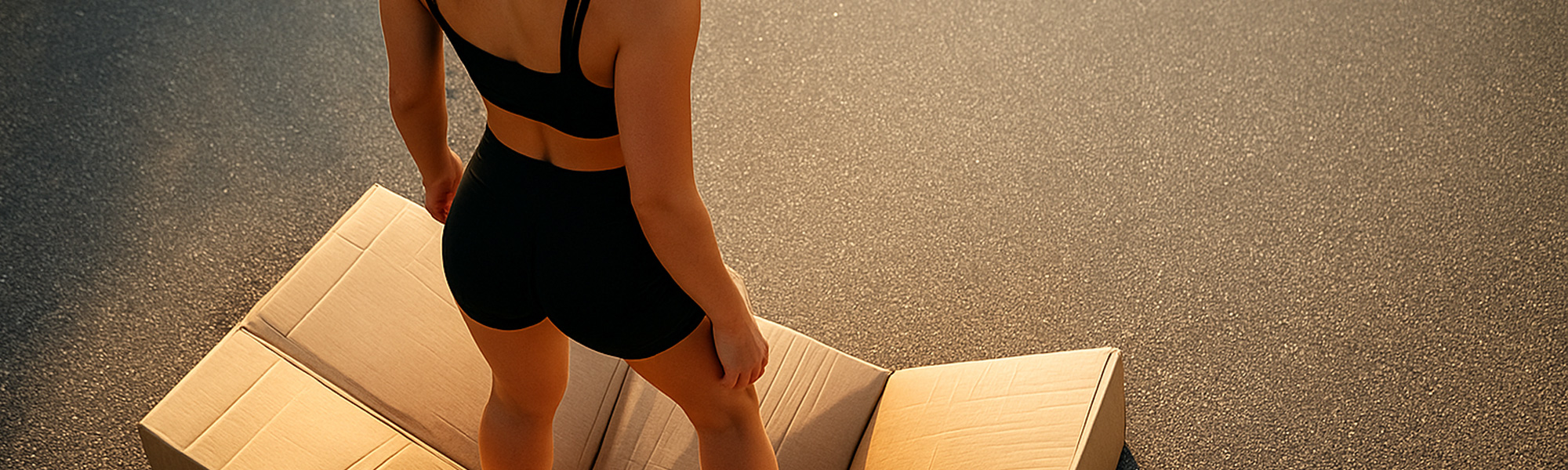

Whether a family is moving house, unpacking deliveries or just managing the steady flow of parcels that arrive each week, cardboard boxes drift through a home with surprising regularity. They appear at the doorstep, get emptied in the kitchen, gather near the hallway and eventually make their way outside to be flattened for recycling. For adults this cycle is nothing more than routine, but for younger children it can feel far more significant, especially at the moment a box finally has to be crushed.
Most Gold Coast households crush cardboard boxes without a pause. Someone empties a delivery, takes the box outside, flips it over and steps on it until it softens and folds. Adults see a quick chore. Kids often see something else entirely. The noise, the collapse and the sudden disappearance of a perfectly shaped object can feel intense. Children who are still figuring out how the world holds together can react with surprise, sadness or even alarm. What feels like a blink to an adult can feel like a dramatic ending to a child.
Kids don't see cardboard as waste. They see possibility. A box has structure. It has height and sides and edges. It can become a cubbyhouse wall, a hiding cave, a tunnel for cars or a tall space for imagination to fill. When a parent places the box on the driveway and crushes it flat, the shift from form to nothingness happens faster than their expectations can keep up with. The sharp crack of the cardboard giving way only heightens their discomfort. They're not being difficult. They're processing change, loss and the strange sensation of watching an object's life end without warning.
Why Boxes Hold Meaning for Younger Children

Boxes matter to kids because they arrive in perfect condition. Smooth cardboard, neat folds, crisp corners and a promise of potential all invite a child's mind to explore. They sit near the kitchen bench like new arrivals waiting to be discovered. When they disappear, it can feel abrupt. A child who spent the afternoon playing with a box might see the flattening as a dismissal of their creativity. The speed of the destruction feels at odds with the time they invested in making that box part of their day.
There is also a protective impulse at play. Children have a soft sense of stewardship over the objects in their home. When something is destroyed, even responsibly, the child may feel responsible for preserving it. They don't yet grasp the lifecycle of a product. To them, the box is something whole that deserved a gentler end. Adults flatten boxes because it's efficient. Children watch the same moment and see something precious being changed too quickly to understand.
And sometimes, the reaction isn't about the box at all but about the pace of adult decisions. Kids live in a slower emotional world. They linger, attach and imagine in ways adults often forget. When a box is flattened in seconds, it highlights the gap between a child's sense of time and an adult's need to move things along. Offering a simple explanation before the box goes helps bridge that gap, letting children feel included rather than surprised.
How Sudden Sounds and Movements Heighten Anxiety

The sensory part of box crushing is often the catalyst for a child's reaction. The posture of an adult stepping forward, the transfer of weight through one bare foot, the quick collapse and the echoing crack all happen within a second. Young children lean heavily on predictability, and this moment offers none. Even older siblings doing the job with confidence can add to the intensity. The whole action is decisive and loud. For kids who dislike sudden noise, it can feel overwhelming.
Children are often startled by how quickly an adult's bare feet can destroy something that looked firm only moments before. They aren't expecting that kind of sudden change from such a simple action, and the sharp crush of the box can seem almost confusing. It's the mismatch between what they thought the box could withstand and what actually happens that creates a brief moment of shock.
Some children look up at their parents in that moment not because they think the box is alive but because the action itself feels powerful. They need reassurance that this is normal, safe and not something to fear. When parents acknowledge the feeling rather than brushing it aside, the anxiety shrinks significantly.
The Meaning Children Build From Everyday Household Change
Small household patterns teach children how the world works. Recycling is one of those invisible routines that quietly shapes their sense of order. If boxes sit in a hallway for a day or two before being crushed, a child might weave them into their mental map of the home. Removing them suddenly disrupts that map. They're not upset about recycling. They're uncomfortable with abrupt transition.
A surprising number of young children believe objects deserve a narrative arc rather than a sudden ending. They want things to leave the home slowly, not all at once. When adults flatten boxes in a single swift move, the child interprets it as a final moment with no preparation.
Involving Kids Softly Without Turning It Into a Lesson
Children cope far better when they feel included, even in a small way. A gentle explanation helps them understand that the box isn't disappearing. It's entering the recycling cycle and becoming something new. Many children light up at the idea that the box might return as fresh cardboard or paper one day. Once that concept settles, the collapse becomes a moment of transformation rather than loss.
Some families invite kids to choose the time of day the box gets flattened. Others invite them to tap the box first or check that nothing is left inside. These tiny gestures soften the final collapse. It becomes a shared decision, not a surprise. Parents don't need to slow the entire routine. A few seconds of involvement can give the child a sense of control and belonging.
Turning the Collapse Into a Story They Can Understand
Kids love narratives. They love cycles and transformations. When parents explain that cardboard has a long life and flattening it is part of its journey back to the recycling plant, children view the action differently. The collapse becomes the beginning of recycling, not the end of the box.
Some kids will even give the box a little farewell pat before it's crushed. Others ask if it will come back in another form. These simple attachments show how deeply they are trying to understand a world that changes quickly around them.
When a Child Is Ready to Flatten a Box Themselves
The moment a child asks to flatten a box is usually the marker that their fear has passed. They approach the task with a mix of caution and pride. They press gently first, watching the cardboard dip. Then they find their balance and shift their weight until the structure gives way beneath them. The sound is no longer frightening. It's an achievement. They see that the object didn't vanish. It simply changed shape.
This small milestone often stays with them. They begin to understand the lifecycle of materials and how they can help keep the household running smoothly.
Over Time, Confidence Replaces Concern
As the weeks pass, the strong emotional reactions fade. Children become more comfortable with the idea that objects come and go. They see that recycling is part of the natural flow of the home. What once felt loud and frightening becomes familiar. The driveway, the sunshine, the moment of watching the cardboard sink under a parent's bare foot all become ordinary domestic scenes that no longer hold tension.
By the time the child starts helping with recycling regularly, their early fears are barely remembered. What remains is a sense of participation and confidence. They understand the pattern. They see the value. And they feel capable of contributing.
Why This Matters in Gold Coast Homes
Gold Coast families deal with a steady stream of boxes from deliveries, school supplies and weekend shopping. These boxes cycle through the home in a predictable way, yet their departure can still be emotionally charged for children. Understanding the feeling behind that reaction helps parents respond with calm, gentle reassurance. It also teaches children that the world doesn't fall apart when things change shape. It simply moves forward.
Kids who once flinched at the sound of a collapsing box often grow into teens who crush cardboard without thinking. The change is smooth, natural and complete. What once brought worry becomes a simple household habit that contributes to a cleaner, calmer home.
You might also like




Disclaimer: Every effort has been made to ensure the accuracy of the information provided, but we make no guarantees regarding its completeness or reliability. The data is presented for general informational purposes only and does not constitute financial, investment, or legal advice. We are not liable for any errors, omissions, or consequences arising from its use. Users should verify details with relevant sources and seek professional advice where appropriate for the most accurate and up-to-date guidance.