Most homes carry their age in the flooring long before it becomes obvious to the eye. Carpets flatten slowly, darken in small patches, develop paths that mirror household routines and eventually begin to feel tired under foot. A fresh vacuum no longer revives them. Cleaning no longer resets their colour the way it used to. A faint dullness settles in damp seasons. This slow decline explains why many households delay replacement for years, even though the benefits of new carpet are immediate and profound. Few upgrades have such a transformative impact on comfort, sound control and daily living.
Replacing carpet is both a practical maintenance task and a quiet act of renewal. It freshens the way light moves across floors, restores softness, and gives the home an immediate sense of order. The key is understanding what drives a successful outcome so the process feels controlled and the results endure for the long life modern carpets can offer.
Understanding When Carpet Has Passed Its Useful Life
Most households notice flattening before anything else. Areas near doorways begin to show compressed pile that refuses to lift, leaving a subtle sheen. Stair treads lose their fullness. Rooms with heavier daily use take on a slightly uneven look from one end to the other. Over time, this develops into a uniform fatigue that cleaning cannot mask.
Odour is another sign that catches people off guard. Even homes with excellent airflow eventually experience carpets that hold a faint scent caused by humidity, spills, pets or worn underlay. When this happens, deodorising treatments only offer temporary relief. Once the fibres have reached saturation, replacement becomes the most effective long-term solution.
Age of the underlay also matters. Old underlay compresses to the point where it no longer supports the carpet, which accelerates wear. A carpet may still look acceptable, yet the experience of walking across it changes, with a muted firmness replacing the bounce it once had.
Weighing Up Your Carpet Options in Detail
Choosing a carpet involves more than matching a colour sample to a wall. Fibre type determines how the floor feels, how it handles cleaning and how well it endures busy periods of life.
Synthetic fibres like nylon have exceptional resilience and resist crushing. They perform well in households where hallways and living areas see constant movement. They also maintain colour exceptionally well and handle accidental spills with less urgency.
Wool, on the other hand, offers a natural softness and a premium tactile feel. It works beautifully in bedrooms and private retreats. Its ability to regulate moisture makes it comfortable year-round, and its insulating quality adds a sense of warmth. It needs more considered care but rewards homeowners who appreciate long-term quality.
Blends combine strength and comfort, creating a versatile option that suits almost every space. They reduce the harshness of heavy wear and retain a consistent feel even after years of use.
Within each fibre type, density and twist determine how the carpet behaves. A tighter twist resists matting. A denser pile provides a luxurious feel and better sound absorption. Homeowners who prefer barefoot living often gravitate towards carpets with a tighter but softer finish, as they offer a balanced sensation between support and plushness.
Colour influences maintenance as much as aesthetics. Light tones brighten and expand spaces but show marks sooner. Mid-tones hide dust and retain a tidy appearance between cleans. Deep colours anchor a room but need good lighting so they do not overwhelm the space.
Preparing Your Home Thoroughly Before Installers Arrive
Preparation is the largest gift you can give yourself and the installers. A house that is half-cleared leads to delays and frustration. A house that is fully prepped creates a seamless installation day.
Anything lightweight or delicate should be relocated. Artwork leaning against walls, electronics sitting on the floor, children's items, pet beds and stray cables all need clearing. Powerboards along skirting lines should be lifted and unplugged. Side tables and loose decorative pieces should be moved out of the way. The neater the room is, the easier it becomes for installers to move quickly without risking damage.
Larger furniture such as beds, lounges and heavy units are usually moved by installers, but clearing the surrounding area speeds up the process and reduces the chance of accidental bumps.
Vacuuming the existing carpet just before removal is an often-overlooked step that prevents dust clouds when the carpet is lifted. It also leaves the underlying surface cleaner, which helps with subfloor assessment.
Some homeowners choose to walk through the cleared rooms barefoot before installers arrive, paying attention to any cold spots, dips, slight irregularities or creaks in the subfloor. These minor clues can help identify where repairs might be beneficial before new underlay is laid.
Removal and Installation: What Happens Behind the Scenes
Once the installers begin, the old carpet is sliced into manageable sections and rolled neatly out of the house. Underlay is removed next, often revealing the marks and patterns of years of living. Seeing a house stripped back can be confronting, but it also provides a rare look at the structural consistency of each room.
Any necessary subfloor repairs occur at this stage. High spots are shaved, loose boards are tightened, and transitions between rooms are prepared for new edging. This is the moment where a careful installer shines, because a perfect finish relies on foundations being even and secure.
New underlay is then rolled out, taped and trimmed. The freshness of new underlay alone lifts the feeling of a room. It provides the soft buoyancy that most people associate with new carpet and extends the life of the flooring above it.
The carpet itself is stretched across the room, attached to smooth edge strips along the perimeter and trimmed to meet skirting lines precisely. Hallways are usually addressed first so movement through the home can continue. Living spaces and bedrooms follow.
The transformation is immediate. Even before furniture is returned, the house feels settled and renewed.
Managing Household Life While Carpet Is Being Replaced
Most households stay operational throughout the process, though it requires patience and a bit of forward planning. Rooms become temporarily off-limits, so establishing a clear pathway for movement helps. Bedrooms often need a full day each; living rooms may turn into holding zones for furniture before being completed themselves.
Walking around the house barefoot during the gap between removal and installation feels different. The subfloor is cooler, smoother and firmer, highlighting how much comfort carpet and underlay actually provide. That comfort returns instantly once the new layers are laid.
Pets should be secured away from the work area. The noise of stretching tools, sudden bangs from tack-strip installation and constant foot traffic can distress animals, and open doors present escape risks.
The First Days With Your New Carpet
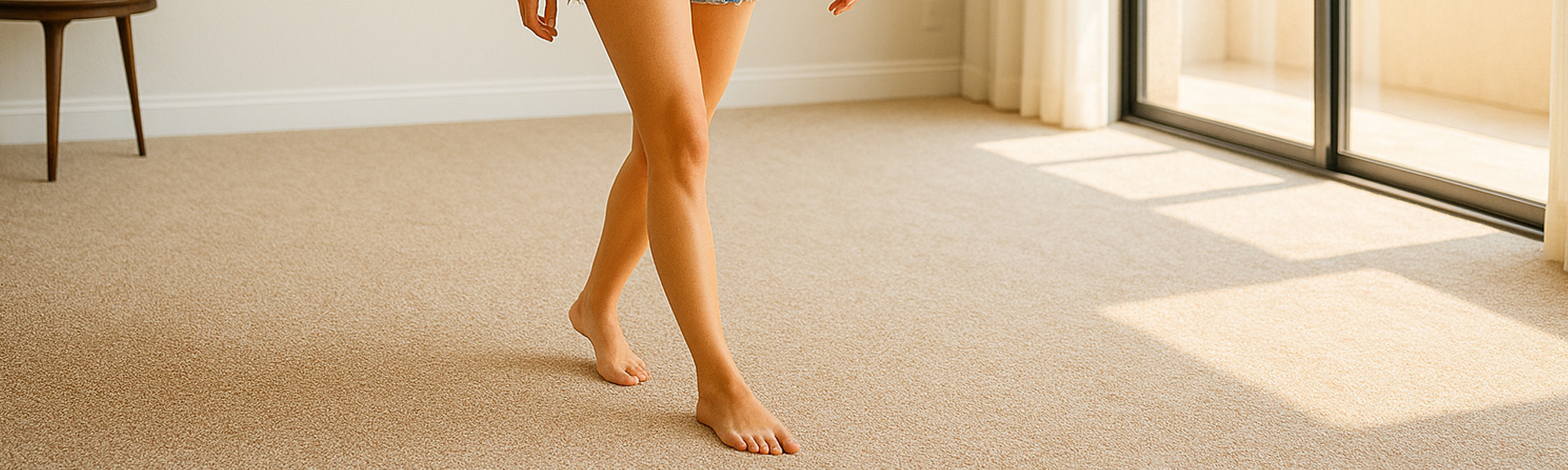
The pleasure of new carpet is in the subtle details. The fibres move softly underfoot, rising and settling with your steps. The pile has a consistent direction, making each room look calm and ordered. Even sound behaves differently, absorbing echoes and softening the acoustics of busy households.
The first vacuum removes loose fibres left from trimming. Shedding is normal for many carpet types in the initial days and settles quickly.
Some carpets show slight shading from installation and early use, especially in plush piles. This evens out naturally as the fibres relax.
Furniture should be returned gently. Heavy items benefit from protective pads to prevent long-term indentations. Allowing the carpet time to settle before placing very heavy furniture can prevent unnecessary compression.
Maintaining New Carpet So It Lasts for Years
Long-term carpet performance is shaped by regular habits rather than occasional deep cleans. Frequent vacuuming prevents grit from working into the pile, where it can fracture fibres over time. Handling spills immediately reduces the chance of permanent marks. Rotating furniture occasionally in high-use rooms restores even wear patterns.
Rugs can protect main walkways, but they should be lifted periodically to allow the carpet to breathe. Bedrooms and media rooms, where comfort matters most, often stay pristine with simple weekly maintenance.
Professional cleaning every 12 to 24 months helps release embedded dirt and resets the fibres. This maintains colour clarity and restores the fresh, even surface that defines new carpet.
When the Disruption Becomes Worth the Renewal
Carpet replacement interrupts daily life only briefly, yet the reward touches nearly every moment in the home. Rooms that once felt worn suddenly feel composed. The acoustics soften. Everyday movement becomes quieter and more pleasant. Bedrooms regain the gentle, cushioned warmth that older carpet gradually surrendered. Even the way furniture sits in the room changes, lifted by the uniformity of the new floor.
A well-chosen carpet doesn't demand attention. It becomes the silent base that supports the entire home. Once replaced, the change is unmistakable. The house feels renewed, more comfortable and more welcoming in a way that few upgrades can match.
You might also like






Disclaimer: Every effort has been made to ensure the accuracy of the information provided, but we make no guarantees regarding its completeness or reliability. The data is presented for general informational purposes only and does not constitute financial, investment, or legal advice. We are not liable for any errors, omissions, or consequences arising from its use. Users should verify details with relevant sources and seek professional advice where appropriate for the most accurate and up-to-date guidance.