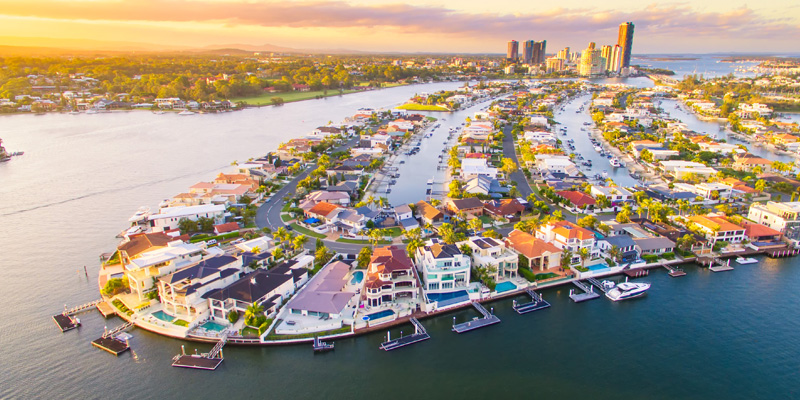
On the Gold Coast, artificial grass has become a familiar sight. New builds, renovated courtyards, townhouse complexes, and investment properties often lean on synthetic turf as a quick visual fix. It photographs well, stays green through dry spells, and promises freedom from mowing and watering. In a coastal, subtropical environment, however, the realities of artificial grass tend to surface quickly. Heat, hygiene, environmental leakage, and long-term wear behave very differently here than they do in cooler climates, and those differences matter.
Plastic Fibres and Coastal Waterways
Artificial grass is a plastic system laid where living ground once existed. The blades, backing, and infill are manufactured materials designed to look organic but behave nothing like soil or vegetation. Over time, fibres shed. This happens gradually through daily use, exposure to sun, pets, cleaning, and weather. On the Gold Coast, where heavy rain events are common, these fragments do not stay put. They are washed into garden beds, street gutters, stormwater systems, and eventually creeks, canals, and the ocean.
This matters more in coastal cities than many people realise. The region’s waterways are closely connected, and fine plastic fibres travel easily. Once in the water, they persist. They settle into sediments, circulate through estuaries, and are taken up by marine life. Unlike organic debris, they do not decompose or reintegrate into natural systems. A lawn choice made for convenience at home can quietly contribute to long-term pollution beyond the fence line.
Surface Heat in a Subtropical Climate
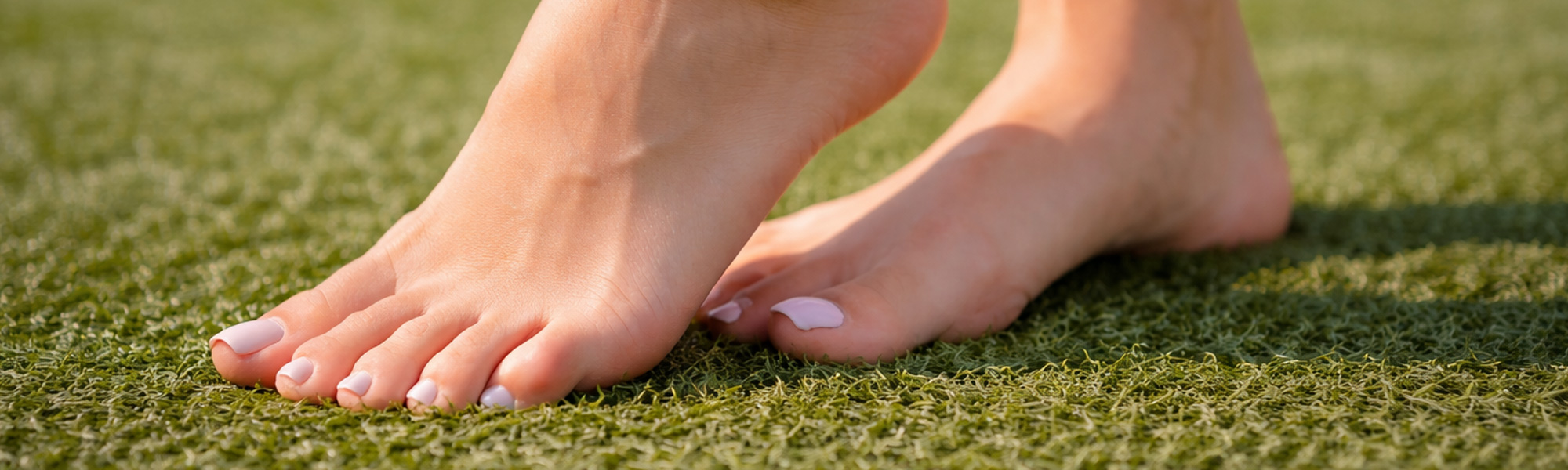
Heat is one of the most immediate and practical issues with artificial grass on the Gold Coast. Synthetic turf absorbs and stores heat far more aggressively than natural lawn. On a clear summer day, surface temperatures can rise dramatically above air temperature, making the grass uncomfortable or unusable for much of the day. Bare feet, children playing, and pets quickly encounter this problem, often within minutes.
The effect extends beyond the lawn itself. Large expanses of artificial turf act as a heat reservoir around the home. That stored warmth radiates back into surrounding air, affecting patios, pool areas, sliding doors, and adjacent rooms. In houses designed to rely on breezes and shaded outdoor living, this additional heat load works against passive cooling strategies and increases reliance on mechanical cooling. In a climate where heat management already shapes daily life, plastic ground surfaces amplify the problem.
Maintenance Is Not Optional
Artificial grass is often described as low-maintenance, but that description glosses over what the maintenance actually involves. Leaves, dust, pollen, sand, food scraps, and organic debris settle into the fibres. Without soil biology or natural breakdown, this material accumulates. Regular cleaning is required to prevent odours, staining, and bacterial buildup, particularly in warm, humid conditions.
Pet use introduces further complications. Liquids do not disperse through soil in the same way they would on a real lawn. Smells linger, especially in summer, and repeated flushing or enzyme treatments are often needed. In shaded or damp areas, algae and mould can develop, creating slippery or discoloured patches. The upkeep is ongoing, physical, and easy to underestimate before installation.
Wear, Fading, and the Reality of Replacement
Artificial grass does not age invisibly. UV exposure, foot traffic, and regular cleaning gradually flatten fibres and fade colour. High-use areas lose their spring and texture first, creating uneven appearance across the yard. Repairs are difficult to blend convincingly, and partial replacements rarely match older sections.
When the turf reaches the end of its usable life, removal becomes unavoidable. Disposal is rarely simple. Most artificial grass systems are not recyclable through standard waste streams, and infill materials add complexity. The entire surface typically ends up in landfill. What began as a tidy, modern solution often reveals itself as a short-to-medium-term installation with a significant waste footprint.
Heat, Drainage, and Poolside Realities
On the Gold Coast, artificial grass is frequently installed around pools and entertaining areas. These are precisely the locations where its weaknesses are most noticeable. Reflected heat, glare, and hot surfaces reduce comfort during the times of day when outdoor spaces should be most usable. Water splashing onto synthetic turf does not cool it in the same way it cools real grass, and damp conditions can encourage odour or surface growth issues.
Drainage also behaves differently. While artificial turf is designed to allow water through, the compacted base beneath can slow absorption, particularly after heavy rain. This can lead to pooling, soggy infill, and longer drying times, especially in shaded areas.
Replacing Artificial Grass With Better Options
For homeowners reassessing artificial grass, replacement does not require a return to high-maintenance lawns. The Gold Coast climate supports a wide range of ground covers, native grasses, and low-growing plants that provide green space with far less intervention. These options cool surrounding air, respond naturally to rainfall, and support soil health rather than sealing it away.
Blended outdoor designs often perform best. Real lawn where it is actively used, combined with garden beds, mulched zones, permeable paths, and shaded planting, creates spaces that feel cooler and more adaptable over time. These surfaces allow water to soak into the ground, reduce reflected heat, and evolve naturally rather than degrading.
Removing Synthetic Turf Properly
Removing artificial grass involves more than lifting the surface. In many cases, the soil beneath has been compacted and deprived of organic matter. Rehabilitation is essential. Loosening the base, reintroducing compost, and allowing the ground to recover are key steps before planting. This process takes time but restores the yard’s ability to function as part of the local environment.
Replacement is also an opportunity to rethink layout. Shade structures, trees, and planting aligned with sun exposure can significantly improve comfort and reduce heat load around the home. The result is often a yard that feels calmer, cooler, and easier to live with year-round.
Where Artificial Grass Can Still Work
Artificial grass is not without any merit. In very small, shaded spaces where nothing will grow, or in short-term installations where durability matters more than environmental impact, it can be a practical surface. It can also reduce water use in narrowly defined situations.
Problems arise when it is treated as a universal substitute for living ground rather than a specific surface choice with clear trade-offs. Understanding those trade-offs is essential before committing to large installations.
A More Honest View of Outdoor Surfaces
On the Gold Coast, outdoor spaces are central to how homes are lived in and valued. Choices about ground surfaces affect comfort, temperature, upkeep, and environmental impact every day. Artificial grass delivers visual consistency, but it does so by introducing heat, plastic, and long-term disposal issues that many homeowners only confront after installation.
As awareness grows, more households are reconsidering whether convenience at installation is worth the ongoing compromises. Living landscapes, designed with climate and use in mind, continue to offer benefits that synthetic surfaces cannot replicate.
You might also like

Disclaimer: Every effort has been made to ensure the accuracy of the information provided, but we make no guarantees regarding its completeness or reliability. The data is presented for general informational purposes only and does not constitute financial, investment, or legal advice. We are not liable for any errors, omissions, or consequences arising from its use. Users should verify details with relevant sources and seek professional advice where appropriate for the most accurate and up-to-date guidance.