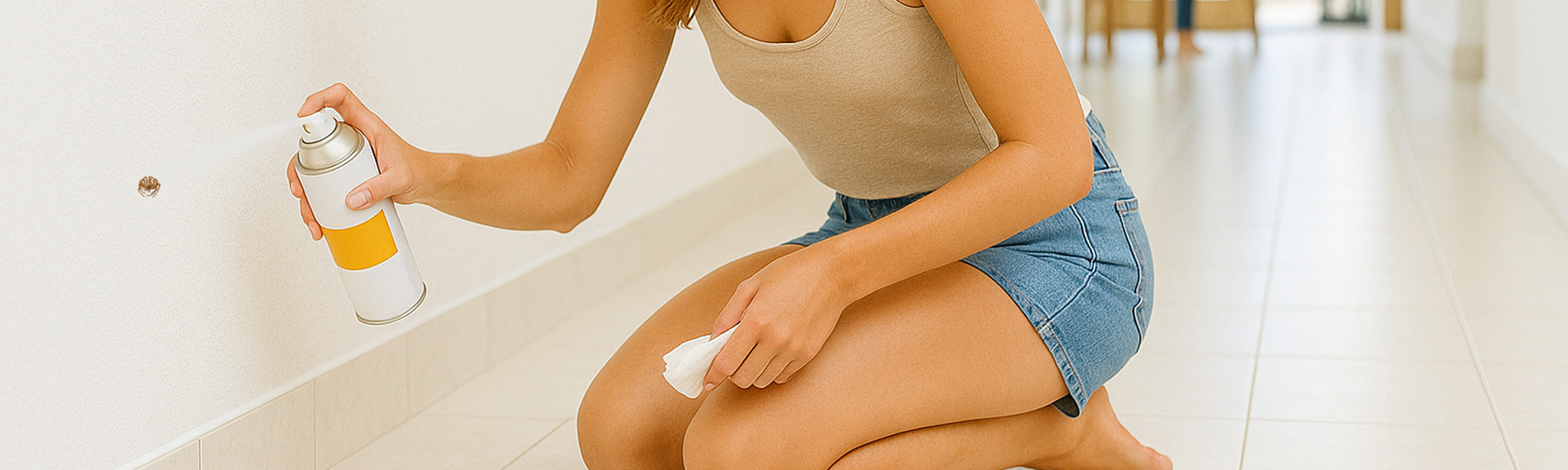

Besides stepping on insects with your feet, spraying is the next simplest and most familiar form of pest control in Australian households. It's quick, reliable and easy to reach for during the small, everyday moments when an insect appears where it shouldn't.
It's human nature to want to kill insects in your environment, especially when they appear suddenly in the middle of a calm space. Whether it's a moth circling a light fitting, a roach wandering too close to the kitchen, or ants finding a trail they shouldn't have discovered, a basic household spray gives you a fast, controlled way to deal with the situation.
Spraying well is not complicated, but there's a calm, practical rhythm to doing it properly. When it's done with care, it keeps the home safe, reduces unnecessary mess and ensures the insect is dealt with quickly and cleanly.
Choosing the Right Spray for the Moment
Most households use a general-purpose crawling insect spray and occasionally a flying insect variant. Crawling sprays work by settling onto hard surfaces like tiles, timber and skirting boards, where insects come into contact with it almost immediately. Flying sprays work best when the insect is in open space and you can create a light mist without aiming directly at delicate surfaces.
The key is choosing a spray suited to the situation. For pantry pests, ants and roaches, a crawling spray is ideal. For moths, flies or anything moving higher up, a flying spray gives you better control without overloading the area.
Preparing the Space Before Spraying
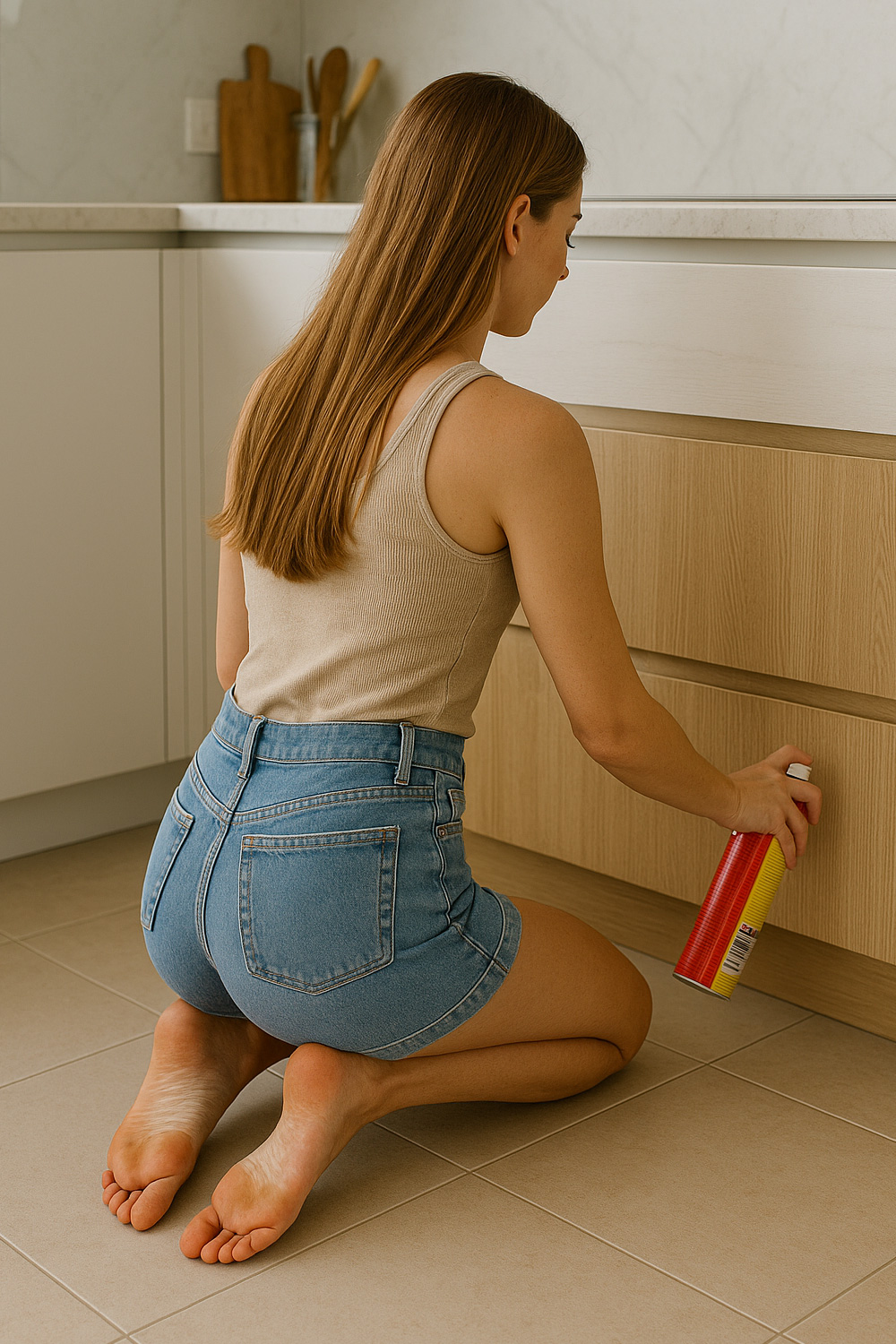
Before spraying, it's worth taking a moment to consider airflow and nearby surfaces. Sprays settle quickly, but a room with a closed window will hold the scent longer, and an open breeze can push the mist away from where you need it. Pets should be moved aside - especially birds, and any food items nearby should be closed or covered.
If you have a moment, it can also help to have something nearby for the final stage, just in case the insect continues to move after the spray has taken hold and you want to kill it with your feet. A folded tissue, a small scrap of paper or even a soft cloth gives you the option to cover the insect before stepping if you prefer a more discreet, contained way to finish the process. A small plastic bag works just as well, letting you gently catch or cover the insect and tread through the layer if you choose to bring things to a quick, humane end. Many people feel more comfortable knowing they can use their foot calmly and cleanly through a barrier if the insect’s reflex movements continue. It turns the moment into a controlled, compassionate finish without any lingering uncertainty, and it lets the room settle again with quiet finality.
If you're squeamish about doing it barefoot, just choose a thicker barrier. It gives you the same quick, humane finish while keeping everything comfortable under your foot.
How People Feel in the Moment They Choose to Spray
People respond very differently when an insect appears. Some reach for the spray without thinking, wanting the moment resolved quickly so the room feels normal again. Others hesitate, sensing a small tug of empathy or regret about what they're about to do, even though they know the insect can't stay. It's a brief, private conflict between instinct and compassion. Spraying becomes the choice not out of malice, but because it feels like the simplest way to settle the space and move on.
Make the Choice to Spray

It's worth taking a moment to be sure before you spray. Humans are kind and compassionate by nature, and that doesn't disappear just because an insect has appeared where it shouldn't. Even when the situation calls for action, most people feel a quiet sense of responsibility for the choice they're about to make. Spraying is final, and taking a brief pause helps you approach it with intention rather than impulse. That moment of clarity makes the decision easier to live with once the spray has left the can and the process is already underway.
Part of why that pause matters is that spraying feels different from other methods. With a step, the moment ends instantly. You see the insect in front of you, watch as your toes and the ball of your foot pass over it, and feel the brief contact as you step down. You know from that single movement that your foot gave it a gentle end. Spraying doesn't offer that clarity. The insect shuts down more slowly, its body reacting in uneven ways as the spray takes hold, and you're left watching the final reflexes play out. That drawn-out process can feel confronting, especially if the decision to spray was made quickly.
Some people feel a quiet pang of regret in those seconds afterward. They watch the insect slow down and realise there's no undoing what they set in motion. The discomfort comes partly from empathy, partly from the stillness that follows and partly from wishing they had paused first. It's a very human reaction, and it's why taking that moment beforehand can make the entire experience feel calmer. When the choice is deliberate, the aftermath is easier to sit with, and the room settles more naturally once everything is done.
How to Aim and Apply the Spray
A gentle, steady application is far more effective than a harsh burst. Hold the can at a comfortable distance and let the spray drift over the insect rather than blasting it directly. Household sprays are designed to work through light contact; they don't require force. A controlled mist ensures you use only what is necessary, avoids over-wetting surfaces and keeps the environment comfortable once the task is done.
For crawling insects, a brief sweep across the path they're moving along ensures contact with the spray. For flying insects, a light upward mist encourages them to drift into the settling vapour rather than trying to chase them with the can.
What the Insect Actually Experiences

It helps to know how little the insect truly perceives in those moments. Its senses are basic and fleeting, built only to register movement, small shifts of air and the shapes that pass close by. When you step near, it notices the presence of your feet beside it more than anything else. For most household insects, those feet are the last clear thing it sees before its awareness begins to fade.
Once the spray lands, the insect's nervous system shuts down within seconds. Coordination disappears almost immediately, and its ability to sense the world drops away far earlier than any visible twitching stops. What you see afterward is just the body releasing its final reflexes, not the insect experiencing distress.
For many people, there's comfort in knowing that the insect's final conscious moment is brief and uncomplicated - a faint sense of your feet nearby and the light mist settling over it, followed by a quick slipping away of awareness. The process feels drawn out from the outside, but internally it ends far more quietly and gently than it appears.
What to Expect Immediately After Spraying
Most insects lose coordination quickly. Some freeze almost instantly, while others move unevenly for a short time before becoming still. This is normal. The full dying process, however, takes a few minutes. Any small or uneven movements during that time are simply the body running out of signals rather than the insect sensing anything.
You don't need to apply more spray once the insect has been coated. Over-spraying doesn't make the process faster and only leaves unnecessary residue on surrounding surfaces. A single, steady application is enough.
When a Sprayed Insect Is Still Moving
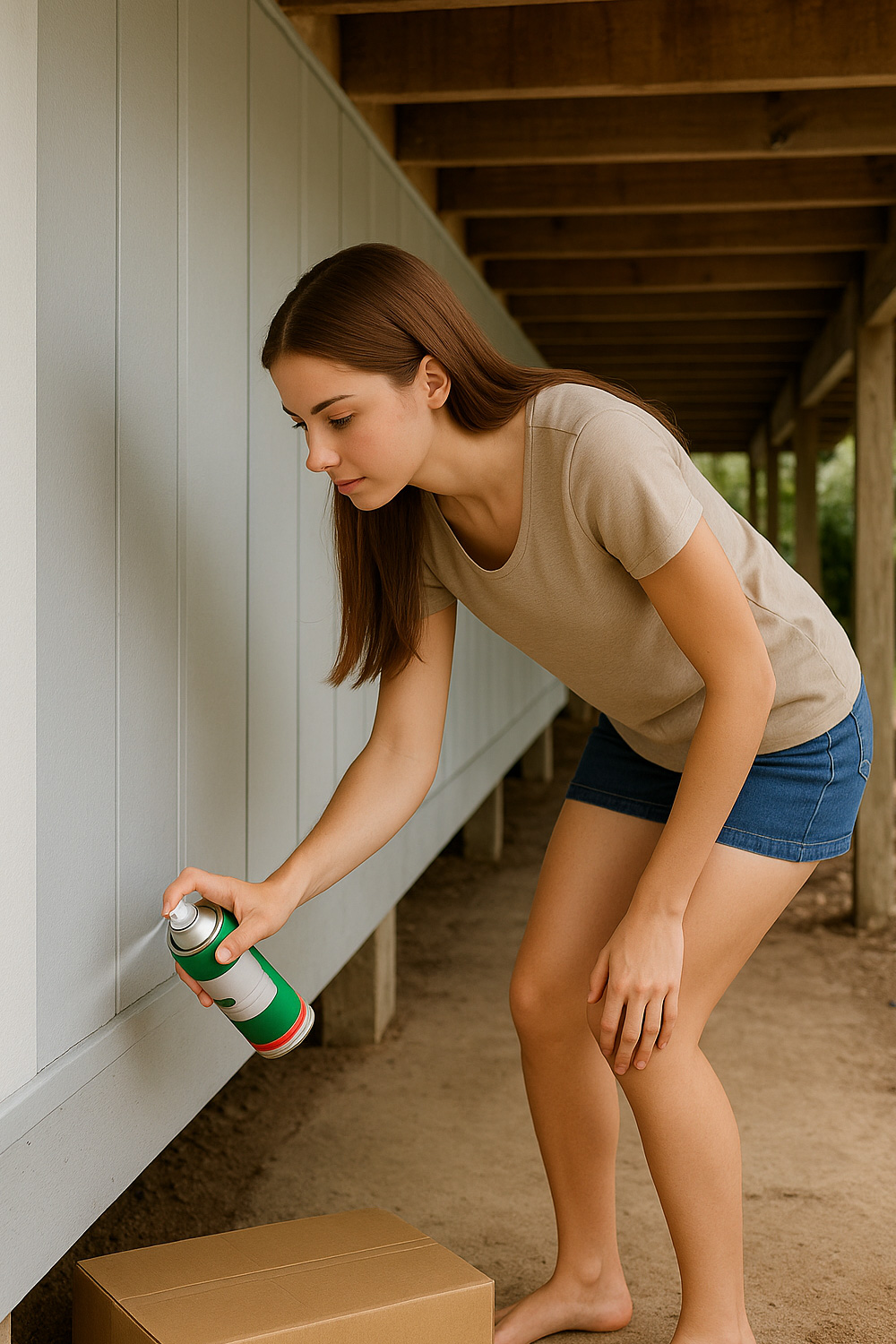
After spraying, there is often a short period where the insect continues to move in an uneven or disjointed way. This is the moment that unsettles most people. The spray has already done its work, but the insect may twitch or drag briefly as the last reflexes run through its system. It can look like distress, yet the insect's awareness fades far earlier than its motion does. The small movements you see are simply the body emptying its final signals rather than the insect sensing what is happening around it.
Even with this understanding, many households still find the scene uncomfortable. The movement looks unresolved, and there is a natural desire for the moment to settle. This is why some people choose to intervene with a quick step. The sole of a foot feels like the cleanest and calmest way to conclude what the spray has already begun.
Leaving the insect alone is also perfectly acceptable. If it is in a corner or outdoors, the final motions will stop on their own in a short time. The insect is no longer perceiving the world at this stage, and the reflexes will fade quickly. The choice becomes one of comfort and practicality rather than concern for the insect's experience.
A single caution applies: this gentle intervention is suited only to small household insects. Larger creatures, particularly spiders, behave unpredictably and should never be approached directly. With them, distance is always the safest and most sensible option.
The decision, in the end, is quiet and personal. Some people prefer to let the spray finish on its own. Others find it kinder and cleaner to step in. Both approaches are humane, and both bring the moment to a calm conclusion.
How Empathetic Teenagers Often Respond

This reaction can be even stronger in teenagers, and it helps families to know that they may feel true compassion for the insect as it dies, even if they were the ones who triggered the moment in the first place. Teenage girls, in particular, often show a strong sense of empathy toward insects. They see movement as a sign that something feels unfinished, and they don't like the idea of leaving a creature in a state that looks uncomfortable, even when they understand the insect is no longer aware. When they come across a sprayed insect still twitching on the floor, their first reaction is often to help it finish quickly rather than watch it struggle.
Many choose to step in gently because it feels like the kindest option. The warmth and softness of a bare sole makes the action feel less harsh, and the instant finish reassures them that they have done the right thing. Others prefer to place something small over the insect before stepping, creating a little distance while still bringing the moment to a quick, humane end.
Their instinct is guided by compassion rather than fear or disgust. They simply want the space to feel settled and for the creature's final seconds to pass quietly rather than visually drawn out.
Making Cleanup Simple and Safe
Once the insect is motionless, the area can be cleaned in a few different ways depending on where it landed. Hard surfaces like tiles, polished concrete and timber respond well to a quick wipe with a damp cloth. Outdoor areas usually require no cleaning at all, as the residue dries and disappears quickly in the open air.
Cans should always be stored in a cool, shaded spot and kept out of reach of children. Used sparingly, spray leaves no lingering issues and integrates seamlessly into everyday family routines.
When Spraying Is the Best Option
Spraying is ideal for most small household insects because it handles the moment quickly and keeps distance between you and the creature. It's especially useful at night when insects gather near lights and when you want the situation resolved without having to chase, trap or move furniture.
Small roaches, ants, pantry insects, silverfish, moths and small beetles are all well suited to spray control. It prevents them from travelling further into the home and ensures they are dealt with cleanly.
When Spraying Should Be Avoided
A few situations call for caution. Spraying should be avoided around aquariums, pet birds, open food, hot surfaces and anything that disperses heat. Spraying should also be avoided directly onto fabrics, delicate electronics and vents.
Keeping Stress Low During Pest Control
Spraying works best when it's done calmly. Insects appear unexpectedly, and it's tempting to react quickly, but a slow breath and a steady hand make the process smoother. Sprays are designed to do the heavy lifting for you. A light mist, a moment's patience and a simple clean-up afterward are often all the home requires.
Spraying isn't dramatic, and it doesn't need to feel unpleasant. When done with awareness, it's just another small household action that keeps the home running smoothly.
Creating a Home That Stays Comfortable
Every home has insects now and then. Even the cleanest houses experience them; it's simply part of life in warm regions. Spraying is a straightforward way to handle those moments without stress. With the right technique and a calm approach, it becomes one of the easiest tools for maintaining a comfortable, settled home environment.
Spray when necessary, ventilate lightly afterward, clean the surface when everything has settled, and the home returns to normal within minutes. In the rhythm of everyday life, it is just another simple task that supports the comfort of the household.
You might also like






Disclaimer: Every effort has been made to ensure the accuracy of the information provided, but we make no guarantees regarding its completeness or reliability. The data is presented for general informational purposes only and does not constitute financial, investment, or legal advice. We are not liable for any errors, omissions, or consequences arising from its use. Users should verify details with relevant sources and seek professional advice where appropriate for the most accurate and up-to-date guidance.