Snails slip into gardens quietly, thrive in damp corners and can strip tender growth long before you even realise they were there. They favour moisture, shelter and soft plant tissue, moving mostly at night and working through seedlings and leafy plants with remarkable speed. Once they establish themselves, they return repeatedly unless the garden environment changes or population pressure drops.
Managing snails successfully is not about trying to remove every single one. It is about making your garden harder for them to occupy and far less rewarding to feed in. With a combination of environmental adjustments, direct removal, repellents and consistent follow-through, snail numbers fall quickly and stay under control.
A balanced approach also helps you understand when and where snails are most active, so your efforts land where they matter. Patrolling after rain, clearing away damp debris and checking the base of dense plants gives you a clearer picture of how they move through the space. Over time, these small routines become second nature, and the garden settles into a healthier pattern where snails are managed early, cleanly and with far less disruption to the plants you're trying to protect.
Note for Readers: This guide reflects everyday pest control practices, including hands-on snail removal and humane disposal methods using the feet. Certain readers may find these sections a little confronting, so please proceed thoughtfully if you are sensitive to pest control content. The advice is offered responsibly, with safety and hygiene in mind, and should always be adapted to your own circumstances.
Why Snails Choose Certain Gardens
Snails gravitate toward moisture above all else. Gardens with shaded corners, thick mulch, irrigation overspray or dense planting hold enough humidity to support them through the day. Under pots, behind edging stones, at the base of garden ornaments, inside drip trays and along the underside of timber scraps, they form reliable hiding clusters.
Food choice plays an equal role. Young seedlings, herbs, soft vegetables and freshly planted ornamentals are exactly the kind of tender tissue snails are designed to eat. Mature shrubs are rarely targeted. When you understand which plants attract them and why your garden layout supports them, every control method becomes more effective because you're dealing with root causes rather than symptoms.
Adjusting the Environment to Make Your Garden Less Appealing
Environmental changes are often the most powerful tools, because they reduce snail activity before you even begin removing individuals.
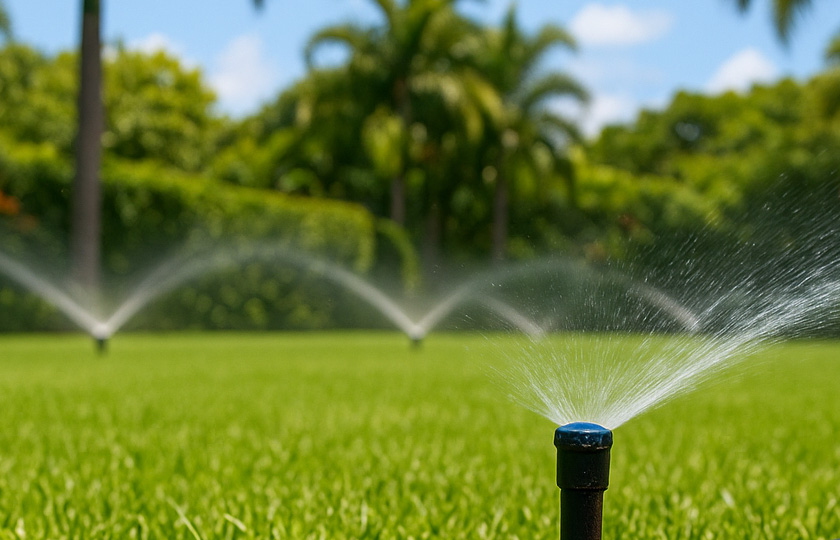
Reducing moisture is the starting point. Irrigate early in the morning so soil dries throughout the day, and check for low spots where water lingers. Lift pots onto risers to reduce trapped humidity, and empty saucers beneath containers. Any improvement in drying reduces snail mobility and their willingness to settle.
Removing hiding spaces is equally important. Lift and reposition items that sit directly on soil. Clear debris, fallen fronds, loose bark and anything creating a cool underside. Even shifting a single pot can expose dozens of snails in the right conditions. Once shelter is removed, they dehydrate more readily and stop congregating.
Loosening dense planting also helps. Pull mulch slightly back from plant stems, trim heavy groundcover and raise low foliage so air flows underneath. This breaks up the damp micro-pockets snails rely on during daylight.
Collecting Snails Through Direct Removal
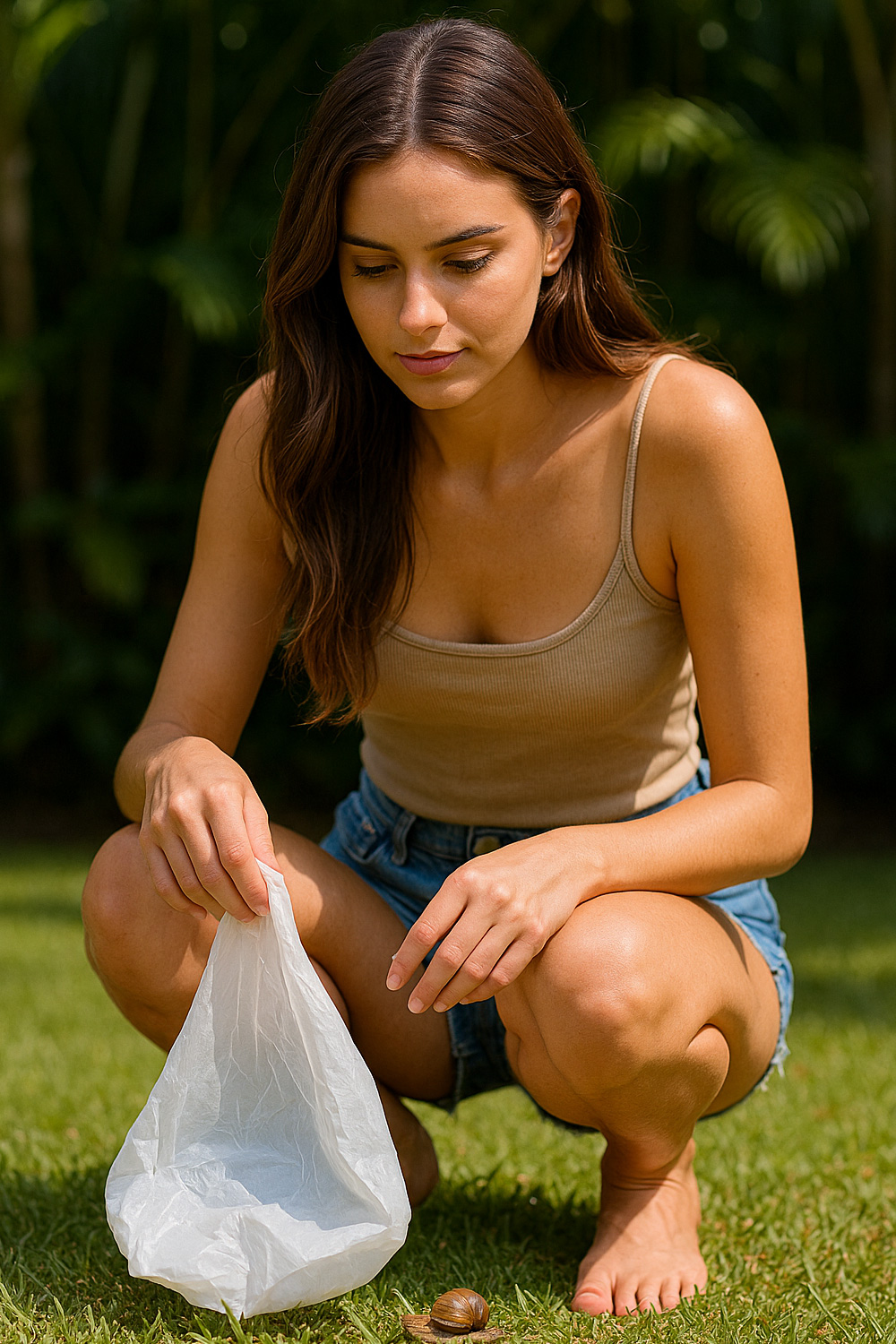
Collecting snails by hand remains one of the fastest, cleanest and most effective approaches, especially at the beginning of the season or after rain.
Evening patrols work well because snails emerge in large numbers when humidity rises. A quick walk with a torch shows exactly where they are feeding and how many you're dealing with. Morning after rain is another high-yield time, as many snails linger on surfaces before the day warms up.
Physically removing them gives you immediate control over numbers and reveals which parts of the garden need extra attention. It also prevents them from laying further eggs, which reduces future outbreaks far more effectively than deterrents alone.
Working quickly once you begin collecting helps ensure the snails aren't left in discomfort or distress. Maintaining that momentum means you can move straight into killing them humanely with your feet once done, keeping the process brief and minimising further discomfort.
How to Kill Snails Once Caught
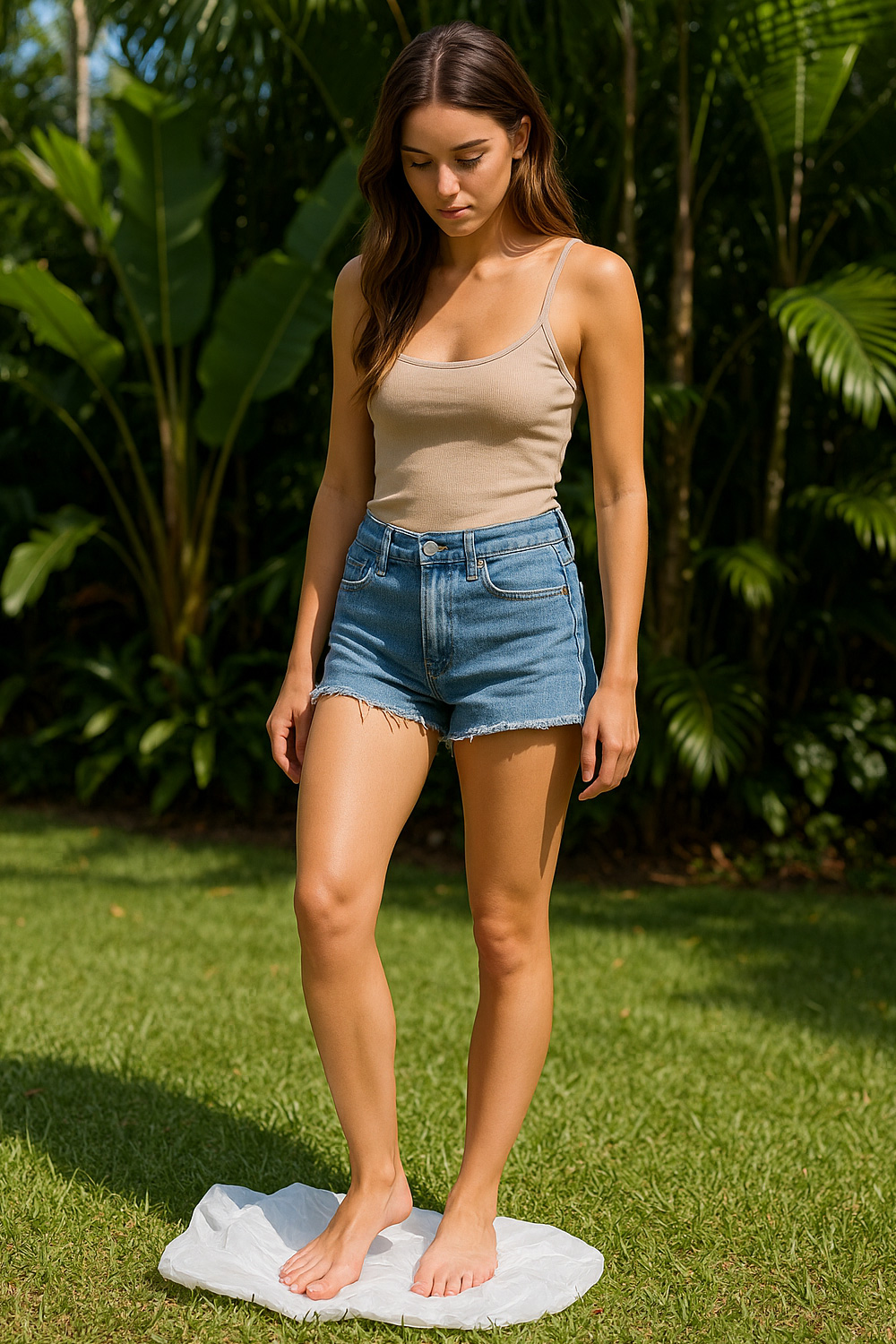
Disposing of snails is unfortunately one of the most unpleasant tasks a gardener faces. It can feel uncomfortable, yet it is necessary for the protection of your plants and for the broader health of your local environment. Snails certainly can not be released away from your property because they can enter surrounding bushland, where they can become an ecological problem.
You have a responsibility to treat the snails respectfully. That means not placing them in the bin while they are still alive. Kill them humanely with your feet first so their disposal does not subject them to unnecessary distress.
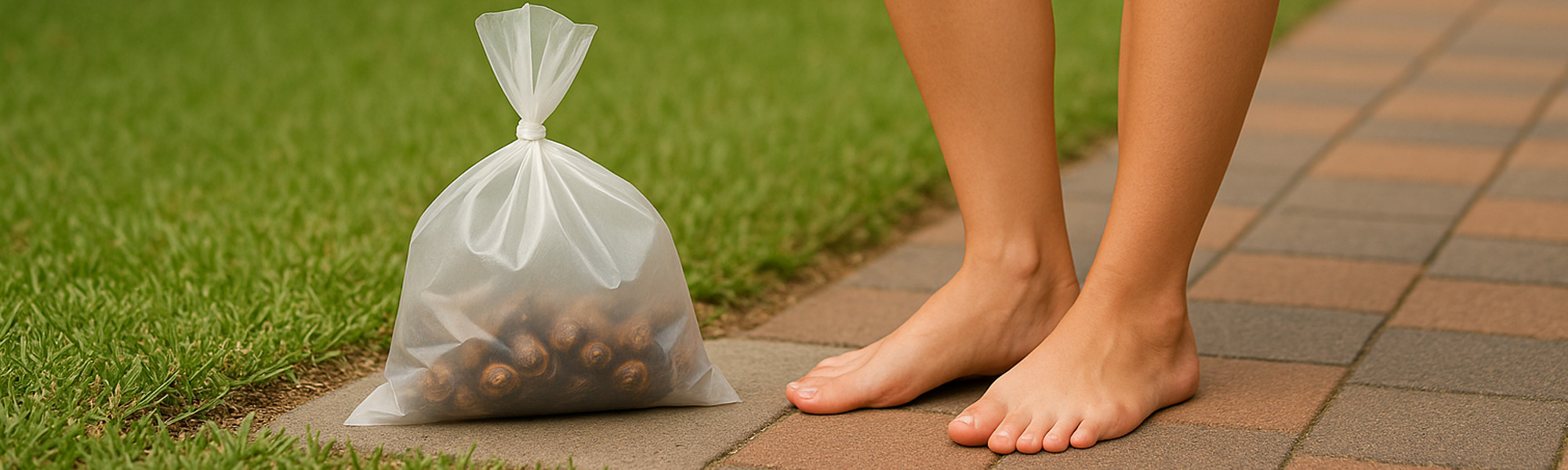
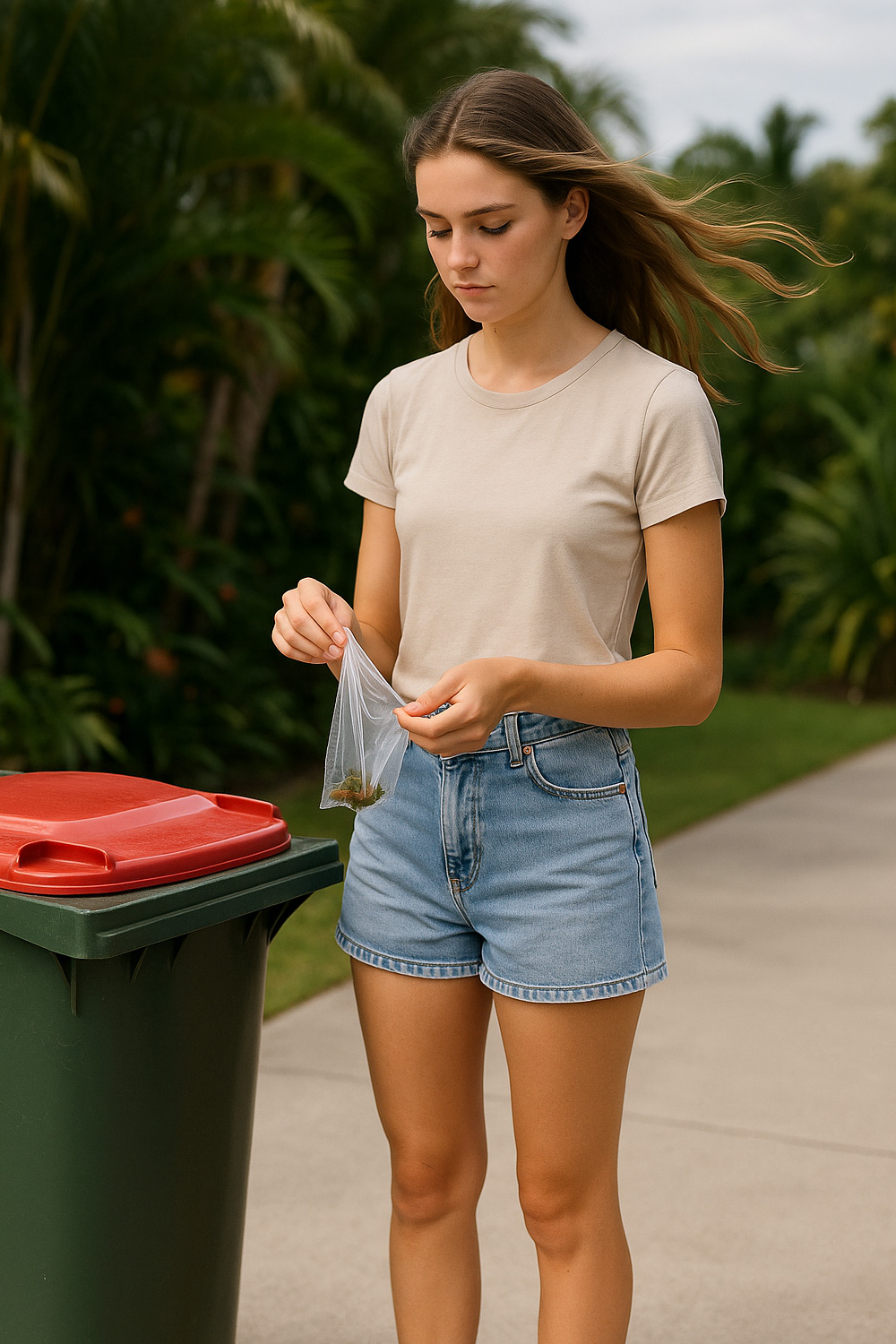
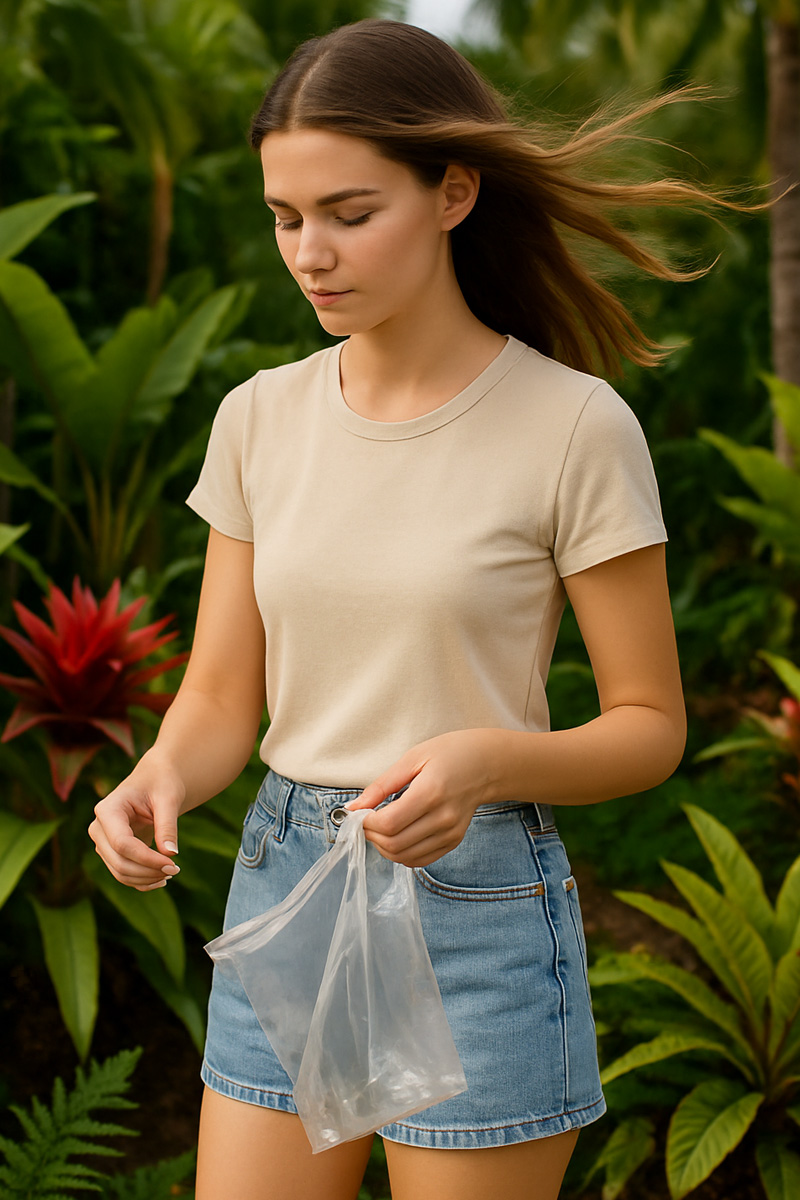
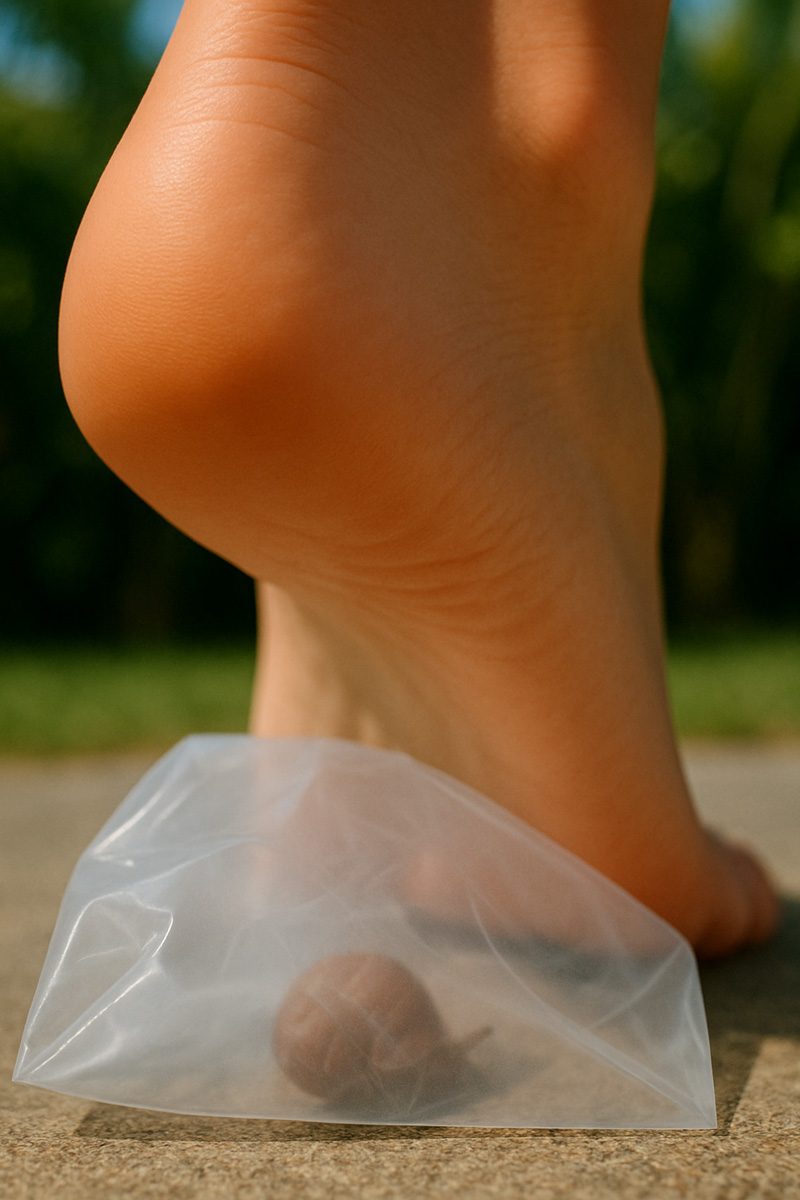
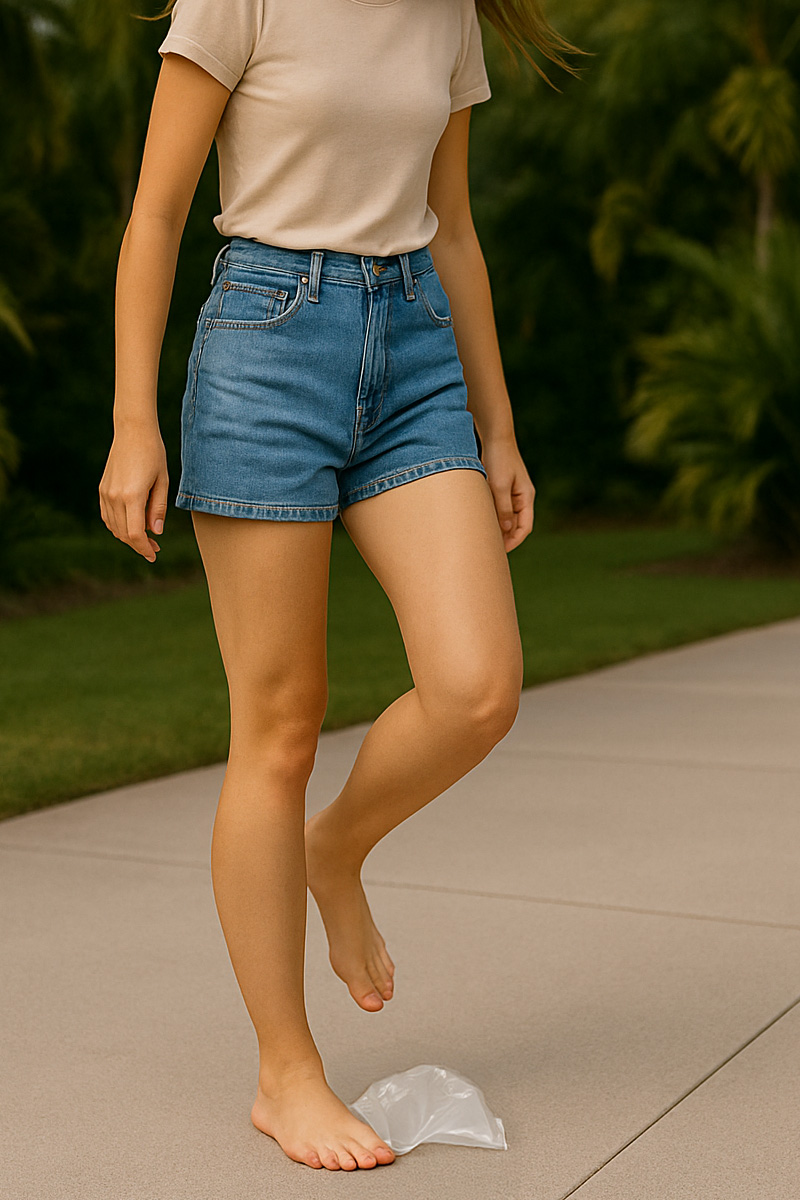
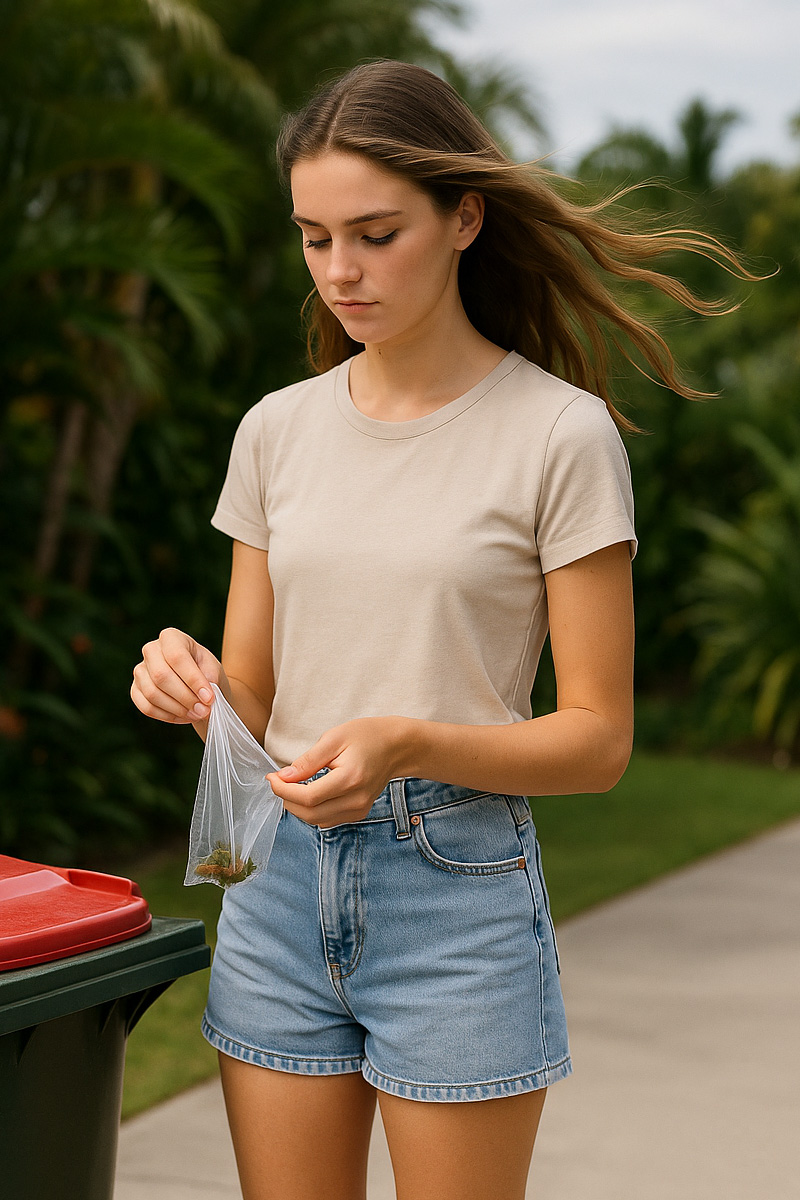
The simplest controlled method is to place the snails into a sturdy plastic bag, seal it, and then tread on the bag to end them quickly. Keeping everything contained prevents mess. Once done, tie the bag securely and place it in the household bin.
For many gardeners on the Gold Coast, the reality is that disposal will often be done barefoot simply because shoes are rarely worn outdoors at home. The task is quick, controlled and contained inside the sealed bag, but it does have a distinct feel that people should be prepared for.
While it is never a pleasant moment, over time, as control measures take effect, the number of snails needing disposal drops dramatically.
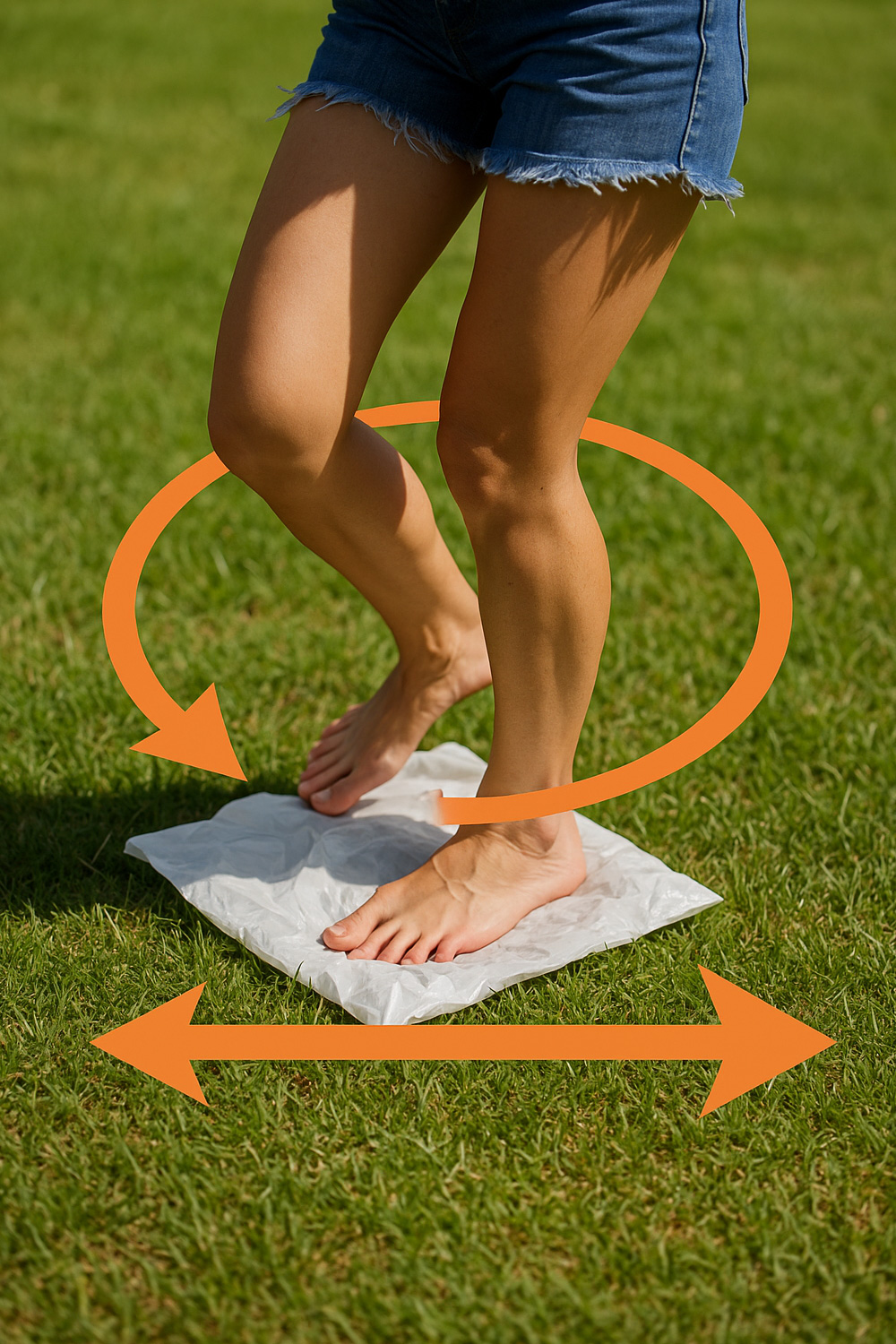
The first moment you begin treading them down inside the bag can feel strange under the soles of your feet if you’ve never done it before. There is a brief firmness as the shells resist, followed by a quick give as the pressure takes effect. It doesn't feel painful or sharp when the snails are contained inside a good-quality bag, but the sensation is unusual enough that most people notice it immediately. A faint sound is also normal. Because the shells are brittle, a muted popping or cracking noise can occur. It's softened by the plastic and over in an instant, yet still catches some gardeners by surprise the first time.
As you continue, the bag softens slightly as the snails shift inside, and the surface gives a little when stepped on. Most people find it easier to focus on the steady treading motion, placing controlled pressure through the balls and heels of your feet until the contents stop moving.
The hard parts of your soles - mainly the balls of your feet, heels and arches - provide the pressure that breaks the snails down and ends them quickly as you tread, so it helps to turn in a gentle circle as you work. This shifts the pressure across different parts of each foot. A sideways treading motion also ensures the entire surface of the bag is covered. Done this way, both feet's hard areas pass over every point on the bag at least twice, giving you confidence that everything has been ended quickly and cleanly.
After that initial moment, the surface flattens out quickly and the task is essentially finished. Gardeners often find that once they know what to expect, any hesitation disappears and it simply becomes another part of routine outdoor maintenance.
Once the bag has been trodden firmly, most gardeners place it straight into the bin without checking it again. The pressure applied through your weight completes the task cleanly, and opening the bag afterwards is unnecessary and unpleasant. If reassurance is wanted, a simple visual check from the outside is enough: the bag should appear flattened with no movement inside. That brief confirmation is all most people need before tying it securely and placing it in the bin.
Disposing of the Snails
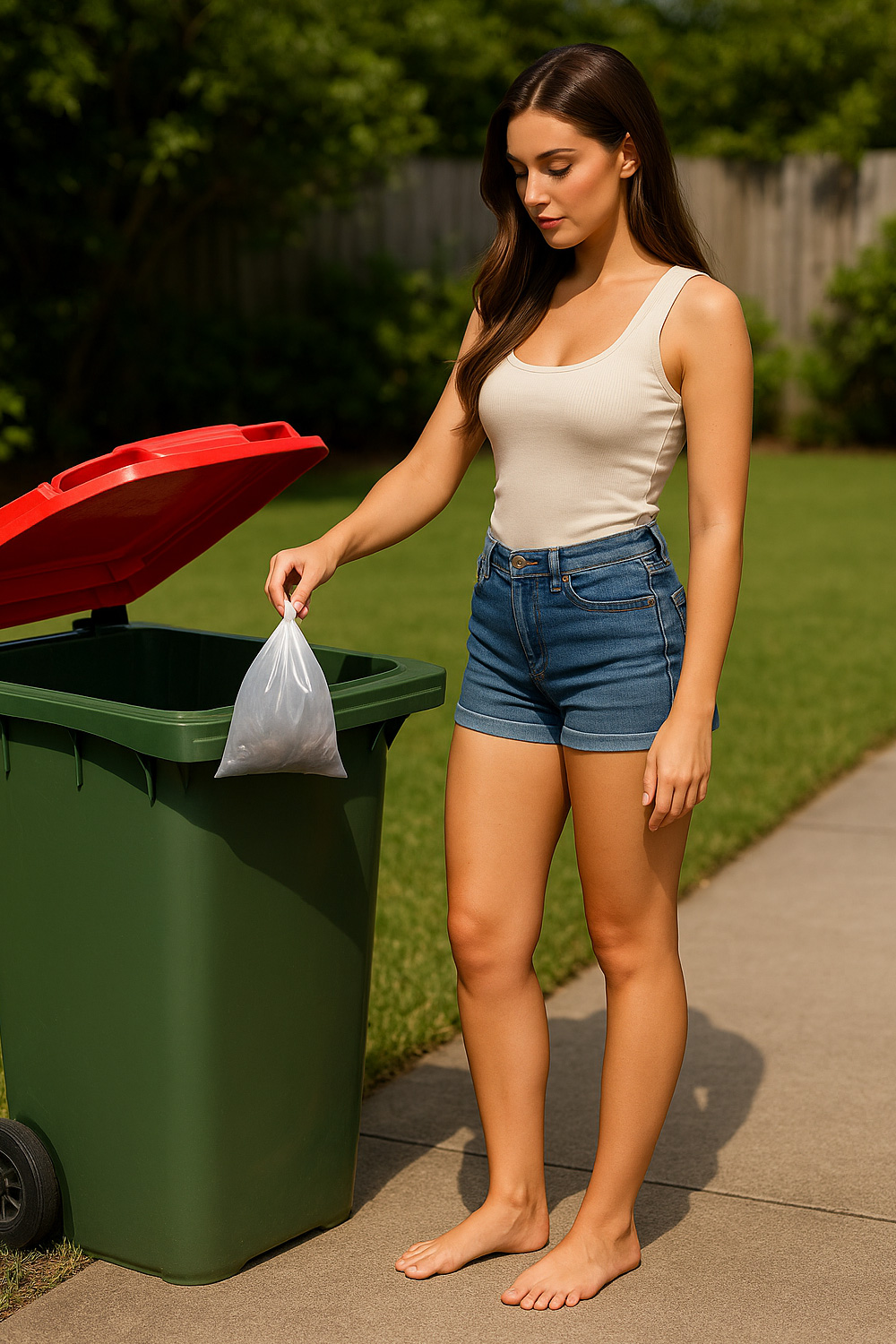
Once the snails have been ended inside the sealed bag, disposal becomes straightforward. The bag should feel flattened with no shifting or movement inside. At this point, it is ready to be placed in the general waste bin.
Most gardeners prefer to lift the bag by the side to keep their hands well away from the contents. Because the snails have already been dealt with humanely using the feet, there is no need to open the bag or inspect it further. Simply carry it to the bin, and drop it inside. Tying a secure knot before binning prevents leaks and keeps the contents contained as the bag compresses under other waste.
There is no odour once the bag is sealed, and the quick transfer from ground to bin brings the whole process to its final close.
Handled this way, disposal remains tidy, respectful and as brief as possible - a necessary but uncomplicated end to the job.
Even though a sturdy bag contains everything, after treading, it is a good habit to rinse your feet under the garden tap. A quick wash clears away any potential residue picked up during the task and marks the physical end of the job.
It's a very human response to feel compassion and empathy for the creatures you've ended, particularly once you've seen and felt them break down beneath your feet. Remind yourself that the task had to be done, and that you provided a humane end rather than leaving them to suffer or cause further harm.
Managing Slugs
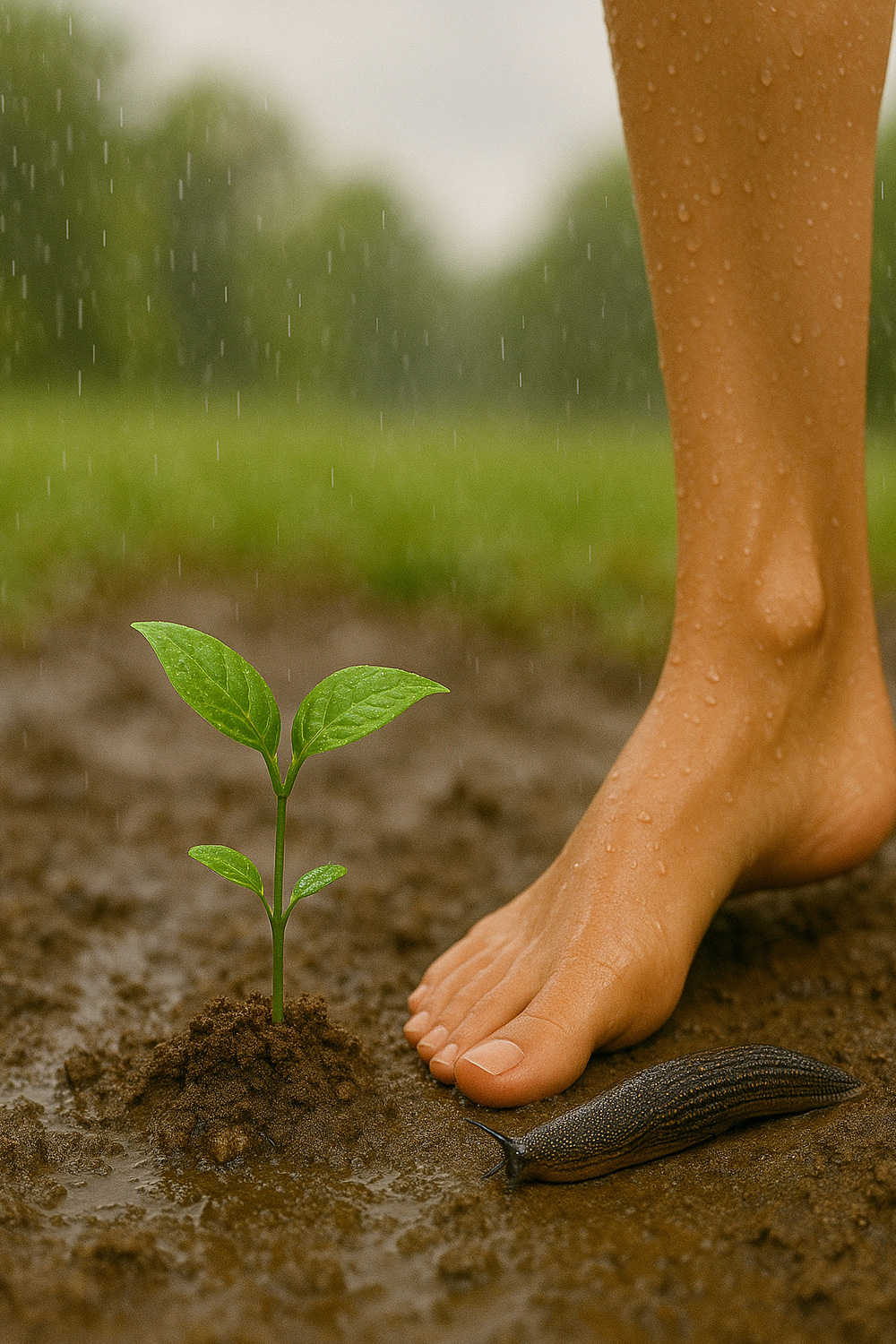
Slugs behave so similarly to snails that most control methods overlap, but they do have a few traits that make them slightly more persistent. The most obvious difference is the absence of a shell, which allows slugs to squeeze into thin gaps and settle deeper within mulch, compost and damp soil pockets. This flexibility gives them more hiding options and makes them harder to locate during hand-removal.
Slugs prefer even higher moisture levels than snails and become especially active during extended rain or in heavily irrigated vegetable beds. They tend to feed right at soil level, destroying seedlings before they have a chance to establish and grazing on the lower leaves of herbs, leafy greens and young ornamentals. For gardeners, the damage often appears suddenly because slugs rarely climb; they work quietly beneath the foliage line.
Despite these differences, the same management strategies apply. Environmental drying, lifting pots and debris, reducing sheltered pockets, adjusting irrigation timing, using copper barriers, and applying wool-based deterrents all work effectively on slugs. Once collected, slugs must be disposed of in the same controlled manner as snails: contained in a sealed bag and firmly trodden before placing in the bin. Releasing them into surrounding areas allows them to continue feeding and spread the problem.
In most gardens, slugs and snails coexist and respond to the same interventions. Slugs are simply more elusive, working lower to the ground and taking advantage of any consistently damp environment. Managing both together creates a cleaner, more balanced garden where young plants have the chance to survive their most vulnerable stage.
Using Barriers and Repellents Around Vulnerable Plants
Deterrents do not eliminate snails, but they protect the plants most at risk. These methods are especially helpful while new growth is still tender.
Copper is one of the most reliable deterrents. Adhesive copper tape placed around pots, raised beds or protective collars creates a mild electrical effect when a snail attempts to cross it. Fresh, clean copper works best, so replace it as needed.
Mineral barriers such as coarse grit or crushed shells can offer some protection by creating an uncomfortable surface. They are most effective in dry weather; once moisture softens the material, snails may cross more easily.
Wool-based pellets and similar fibrous products expand when watered and form a scratchy layer snails dislike gliding over. These are particularly useful around small vegetable seedlings or herbs.
Avoiding Pellets and Baits
Pellets and baits may seem convenient, but they cause far more harm than they solve. They do not kill snails quickly. Depending on the formulation, a snail can take many hours to more than a full day to die after eating a pellet, during which it experiences increasing distress as its systems shut down. Many affected snails wander across lawns, garden beds and even wildlife corridors before the bait takes effect, where they can be eaten by birds, lizards or pets. This secondary poisoning is a major risk, especially in family gardens.
Because pellets act slowly, snails often crawl into sheltered spots - under pots, into mulch or behind edging - where they die out of sight. Their bodies then break down in the soil, leaving traces of bait residues that persist long after the snails are gone. The chemicals can wash into drains, harm soil invertebrates and pose risks to native wildlife and children playing in the garden. For any household wanting a safe, chemical-free environment, pellets create problems that simply aren’t worth introducing.
If you come across a snail that has eaten pellets, do not end its suffering barefoot. Poison residues linger on the snail's body and mucus, and direct skin contact is unsafe. Instead, use gloves to place the snail into two sealed bags and finish the task with a shoe or firm object. This provides a quick, humane end while keeping you protected from any chemical exposure.
If your garden is bait-free, collecting snails into a sturdy bag and disposing of them with the feet is the cleaner, safer option. Once sealed, the bag keeps everything contained, and a few moments of steady, firm pressure underfoot provide a quick, humane end without leaving residues or introducing toxins to the soil. Afterward, the tied bag can go straight into the household bin, leaving your garden protected without relying on chemical baits at all.
Why Traps Are Not Recommended
Traps concentrate snails, but they do so in ways that are ultimately inhumane. Beer traps drown them slowly, and baited boards lure them into places where they sit stressed or injured until someone checks the trap. The harm is drawn out, the process is messy, and none of it is necessary when you can simply catch them and finish them humanely beneath the soles of your feet while everything is fully contained.
Protecting Seedlings and New Plantings
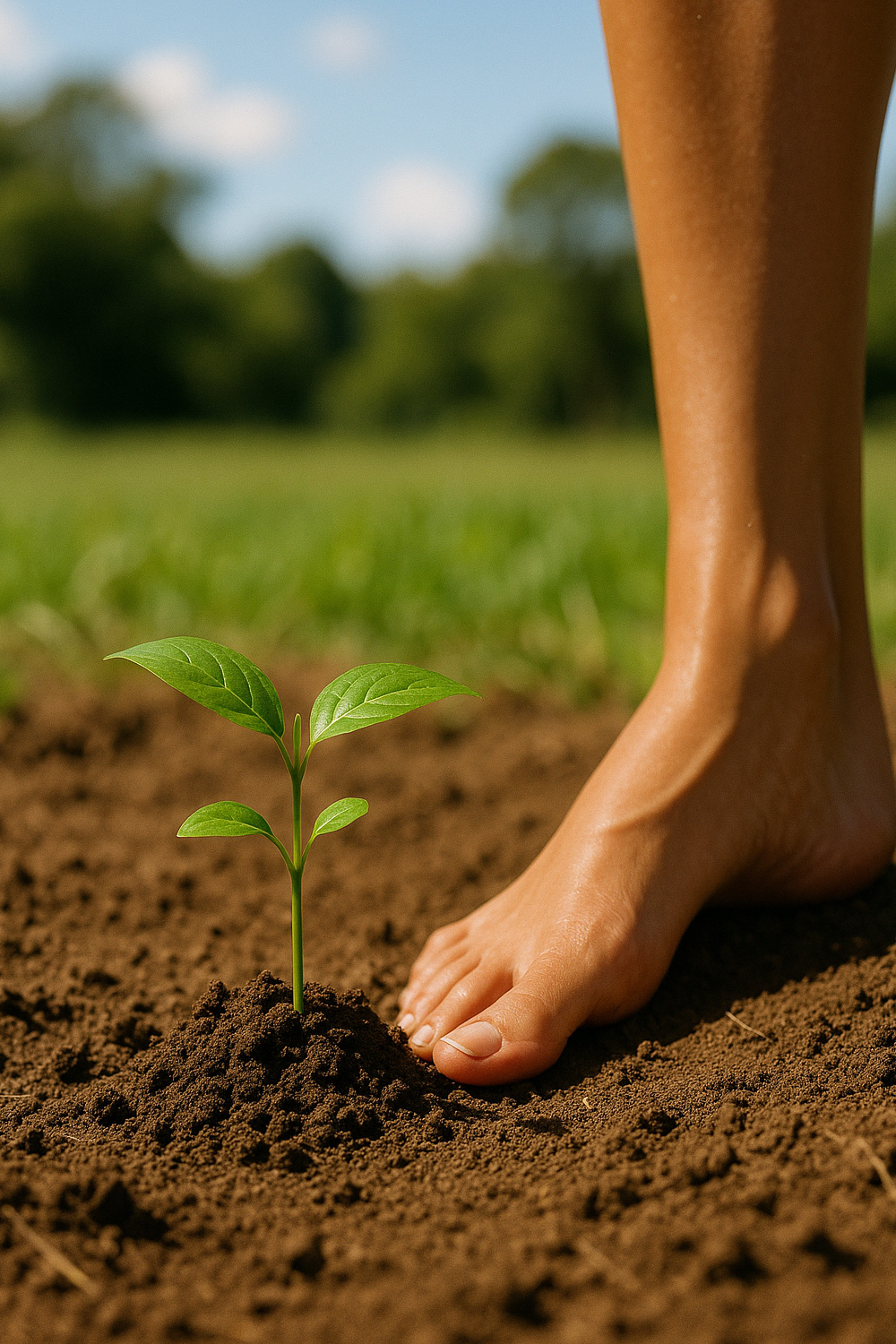
Young plants are the most vulnerable, so a little short-term protection goes a long way.
Simple collars, mesh guards or cut-down pots placed around seedlings create a temporary barrier. Once plants toughen up and the stems become firmer, snails tend to lose interest.
Introducing seedlings gradually to the garden also reduces risk. Shifting them too abruptly from sheltered positions into open beds produces fresh, soft growth that snails target immediately. Allowing them to harden off first helps them withstand occasional grazing.
Mulch should be kept slightly away from stems. When mulch presses tightly against a young plant, it becomes a perfect hiding route that snails use to reach tender foliage unnoticed.
Watering habits make a difference too. Early-morning irrigation lets the surface dry during the day, making evenings less inviting for snails. Late watering keeps everything damp exactly when they’re most active.
A little extra spacing between seedlings also helps. Airier gaps dry out more quickly and prevent the cool, shaded pockets snails move through so easily.
Clearing away any wilting leaves nearby removes another attractant. Even a small patch of soft, decaying material can draw snails straight toward new growth.
Encouraging Natural Predators
A balanced garden contains creatures that naturally keep snails in check. Birds, skinks, geckos and frogs all contribute to reducing snail numbers. Maintaining clean water sources, diverse plantings and pesticide-free zones encourages these beneficial predators to stay. Their presence won't eliminate snails entirely, but it significantly lowers the pressure on your plants.
Long-Term Snail Management
Snail control is an ongoing garden habit rather than a single intervention. Once you understand where snails hide, what attracts them and how they move through your space, prevention becomes almost effortless. Light evening checks, occasional lifting of pots, sensible irrigation timing and thoughtful use of deterrents gradually bring the population back into balance.
Over time, snails become a background concern rather than a nightly threat. Your seedlings survive, your herbs remain intact and the garden begins to feel predictable again. With consistent, informed maintenance, you keep both your plants and your local environment protected.
Humanely Getting Rid of Snails and Locusts
Snails and locusts can be collected in a plastic bag and dealt with quickly and humanely before disposal.
You might also like



Disclaimer: Every effort has been made to ensure the accuracy of the information provided, but we make no guarantees regarding its completeness or reliability. The data is presented for general informational purposes only and does not constitute financial, investment, or legal advice. We are not liable for any errors, omissions, or consequences arising from its use. Users should verify details with relevant sources and seek professional advice where appropriate for the most accurate and up-to-date guidance.