
Family Chores
Family Chores Series
The Family Chores Series helps parents encourage their teenagers to take part in everyday household life - turning reminders into rhythm and chores into shared habits. Each guide focuses on simple, practical jobs that build independence, confidence and pride in doing things well, whether it's recycling properly, managing dishes, or keeping shared spaces tidy.
It's a small but unforgettable milestone - seeing your teenager act on their own.
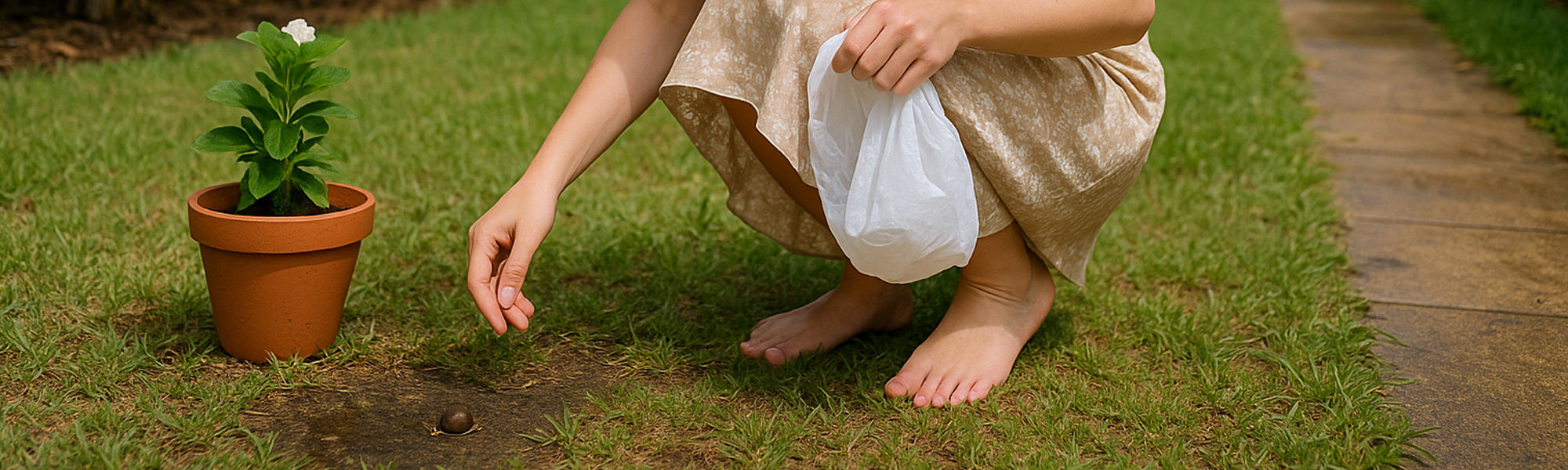
A teenage girl is in the yard, getting on with it - pulling weeds, crushing snails, trimming edges, binning what's left. No fuss, no reminders. Just the quiet confidence of someone who knows what needs to be done and takes satisfaction in doing it properly.
Every Gold Coast garden carries its own rhythm. Grass thickens fast after rain, vines wrap themselves around fences, and the air itself seems to help things grow. The task of keeping it all balanced never really ends - it only passes between hands. For parents, this is one of the most valuable chores to give teenagers. Gardening demands calm, awareness, and responsibility. It's physical, visible, and instantly rewarding, which makes it the ideal training ground for quiet capability.
Handing Over a Space
Teenagers learn best when a task clearly belongs to them. Instead of telling them to “help with the yard,” give them one section to take ownership of - the lawn at the front, a row of shrubs, or a small garden bed that needs weekly care. That single patch becomes theirs to notice, manage, and improve.
Once it's theirs, awareness follows quickly. They start to see how different parts of the garden respond to weather - where the soil stays damp, where leaves collect after wind, and which corners need trimming sooner. You can help at first by setting the rhythm, showing how often things need to be done and how to finish properly. But after that, let them take over. They'll begin to take pride in the results long before you need to remind them.
Teaching the Mowing Rhythm
Mowing becomes a milestone chore. It carries weight, sound, and the sense of independence that comes from handling real equipment safely. Show them once how to prepare: clearing sticks and toys, checking that everything's ready, and mapping the direction of each pass. Then give them room to find their own rhythm. The mower's hum and the movement of straight, overlapping lines become their own kind of meditation.
On the Gold Coast, timing matters. Mow early before the sun climbs too high or later in the afternoon when the light softens. They'll learn naturally to plan around heat and humidity, reading the weather rather than fighting it. Protective shoes are essential while mowing, but before and after, working barefoot keeps them connected. Sweeping the driveway, brushing stray clippings from the path, or pressing down the grass inside the catcher barefoot turns the job tactile and grounded. It helps them feel what they've achieved.
Pruning, Tidying, and Finishing Properly
Pruning looks simple until it's done badly. It's a chore that rewards patience and restraint - knowing when to stop, when to step back, and how to see the plant's shape before cutting. Teenagers tend to enjoy it once they understand the rhythm: the sound of the shears, the clean scent of freshly cut leaves, the visual satisfaction of order returning.
Encourage them to step back often and look from a distance. Over-trimming takes months to grow back. Under-trimming is usually fine. It's a quiet lesson in judgment that carries into everything else they do.
When pruning's done, the tidy-up brings closure. Branches and fronds go into the green-lid bin, paths are swept, and the hose gives everything a final wash down. That's the moment the job becomes complete - when the garden feels lighter, the air moves freely again, and they can stand back to see the difference their work has made.
The Green Bin and the Compost Connection
Filling the green-lid bin properly gives teenagers a sense of structure. It's their direct link between private work and the wider city cycle. Teach them what belongs inside - grass, branches, leaves, and weeds - and what doesn't. Once they know, they'll start taking quiet pride in packing it neatly, pressing it down, and wheeling it to the kerb.
The weight of a full bin, the smell of fresh cuttings, the dull thump as it settles closed - those are the small sensory signals of a job done well. Some families use a compost bin instead, and that's another way to deepen awareness. It teaches proportion and patience, and it gives teenagers a small loop of responsibility that rewards consistency more than effort.
Dealing With Pests Calmly
Every garden attracts life. Some can stay but others need to be take care of. For teenagers, these moments can be the difference between hesitation and confidence. The goal is to teach calm control.
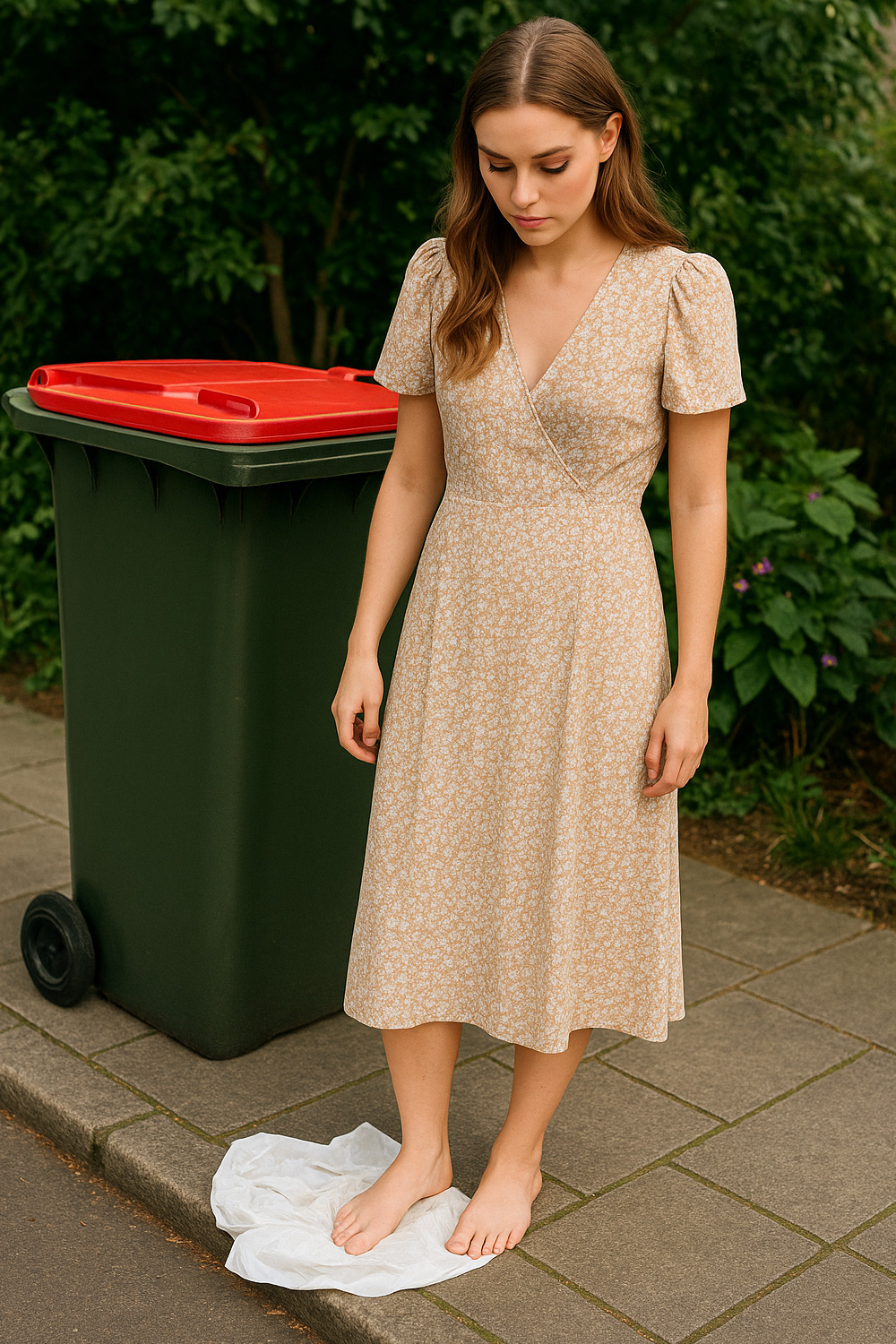
Show them that most insects that need to go can be handled without chemicals or panic. Snails and slugs should always be killed quickly before disposal. The simplest way is on firm grass - a steady press with the ball or heel of the foot until it's done. The surface gives slightly, keeping things cleaner than concrete, and the act itself is quick and final. For those who prefer a barrier, the snails can be collected in a small plastic bag, placed on firm ground near the bin, and trodden in a slow circular motion so the harder parts of the soles of both feet press over them evenly so they are killed quickly and can be disposed of humanely. Always check before disposal, then place the sealed bag in the general waste bin. Once they're dead, the remains or sealed bag can go into the general waste bin, never the green waste. Locusts can also be pressed with the feet in the same calm, contained way to stop them damaging new growth.
It can feel unusual at first, but getting them used to the sensation is part of building calm confidence. Teenagers soon learn that it's not unpleasant - that pest control is just part of being human. It's a small lesson in staying composed, handling discomfort without hesitation, and doing what needs to be done cleanly.
Aphids and mites can be sprayed away with mild soapy water that leaves plants unharmed.
When the job's done, rinsing feet with the hose is the natural final step.
Effort They Can See
Gardening has a unique advantage - results are visible. Teenagers can see what they've achieved straight away. The trimmed edge, the mown lines, the swept path, the full green bin - each element speaks for itself. That visibility builds motivation without needing words.
It's also physical in a way indoor chores rarely are. The heat, the scent, the quiet exhaustion at the end all ground them in something real. When they stand back at sunset and see the clean lawn they shaped, there's no mistaking what they've done. That physical sense of completion is what makes gardening such a good teacher.
Turning Routine Into Confidence
As the weeks go by, teenagers who garden regularly develop an instinct for when to act. They start a job without being asked. They remember to charge the mower batteries after each use. They trim back a hedge before it sprawls across the path. These are small but powerful shifts - signs of awareness becoming routine.
They also begin to value calmness. There's a focus that comes from the hum of the mower or the rhythm of sweeping that can't be taught through talk. It's absorbed through repetition.
The Broader Lesson
Gardening is one of the few chores that teaches both responsibility and composure. Teenagers who can manage a mower, prune carefully, and deal with pests without hesitation are learning much more than upkeep. They're learning the tone of adult work - quiet, practical, and confident.
Gold Coast gardens change quickly with weather and light. Teenagers who learn to move with that rhythm rather than fight it will carry that sense of control everywhere. When they step barefoot onto warm tiles at the end of a job, looking at the calm order they've created, they're feeling something every parent hopes they'll find - pride without show, effort without complaint, and the steady satisfaction of work done properly.
You might also like




Disclaimer: Every effort has been made to ensure the accuracy of the information provided, but we make no guarantees regarding its completeness or reliability. The data is presented for general informational purposes only and does not constitute financial, investment, or legal advice. We are not liable for any errors, omissions, or consequences arising from its use. Users should verify details with relevant sources and seek professional advice where appropriate for the most accurate and up-to-date guidance.