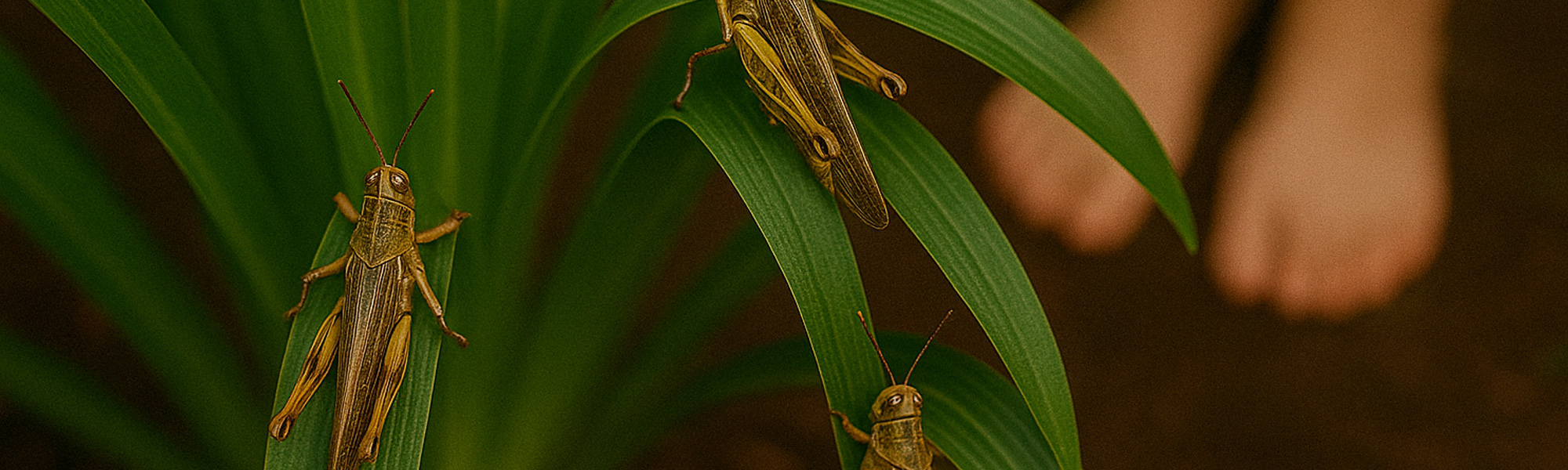
For many homeowners, dealing with extra large insects is one of the most uncomfortable tasks they will ever face. Their size alone can be confronting, and the moment becomes even more stressful when you realise sprays simply do not work on creatures like snails, locusts or stick insects. The usual quick fix isn't an option, and the situation suddenly feels far more personal than expected.
Note for Readers: This article refers to everyday pest control practices, including humane stepping on insects using the feet. Certain readers may find these sections a little confronting, so please proceed thoughtfully if you are sensitive to pest control content. The advice is offered responsibly, with safety and hygiene in mind, and should always be adapted to your own circumstances.
Every society finds practical solutions for the problems it encounters, and in the subtropics the most humane method for dealing with these larger insects is straightforward but emotionally challenging the first time. Using a plastic bag to enclose the insect pest and then applying a controlled tread with the feet resolves the situation instantly and without prolonged distress. It is gentle, fast and clean, yet the very idea of doing it can make even confident adults hesitate.
That discomfort is normal. The method works, and it is humane, but the first experience often requires courage simply because it feels unfamiliar. Once learned, however, it becomes a manageable household task rather than a moment of dread.
Why Large Insects Feel So Confronting in Subtropical Homes
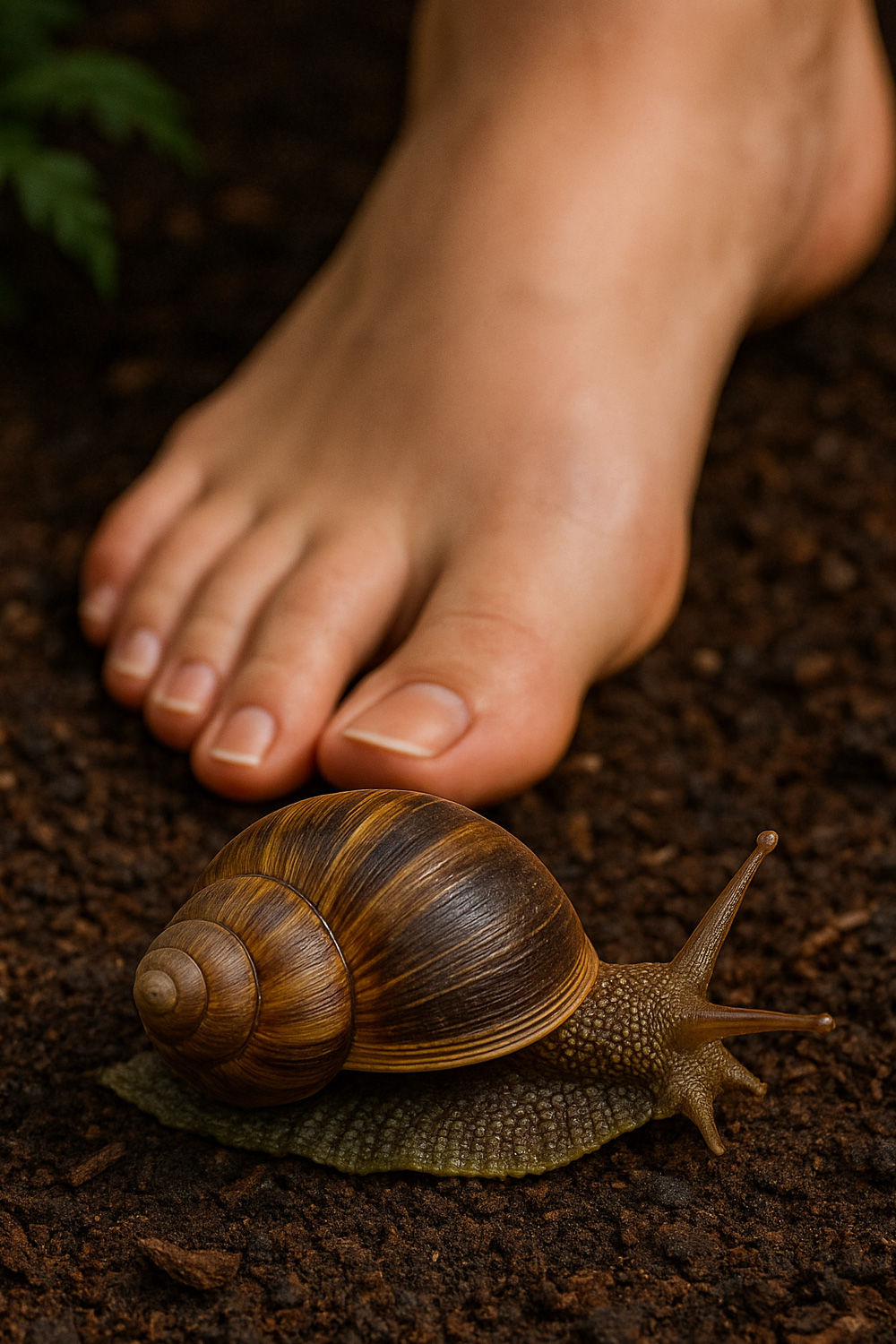
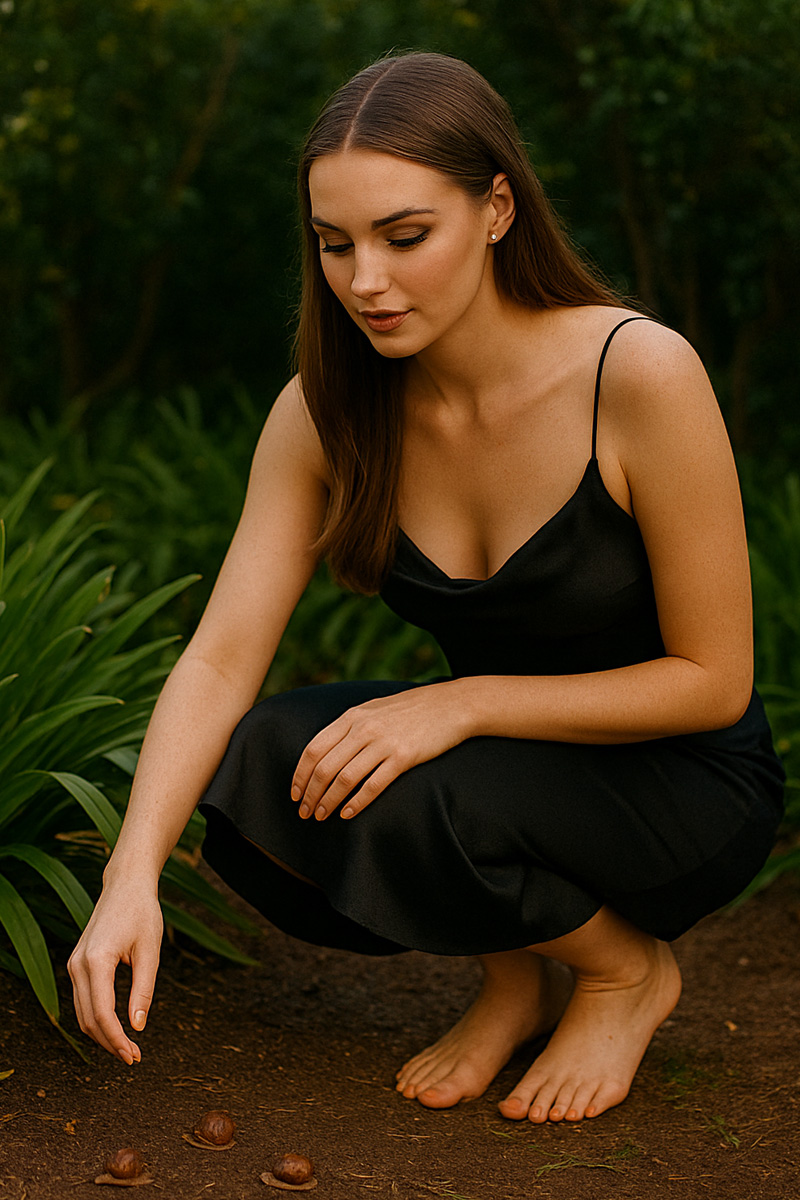
Life in a warm coastal climate is full of small, everyday surprises. Fronds fall from palms without warning, dense greenery leans into back fences, and the humidity carries the scent of the garden straight through open doors. Alongside all of that comes the occasional encounter with a creature that feels far larger and closer than anyone expects. Snails slide across patios after a summer downpour. Locusts grip tightly to sun-baked foliage. Heavy beetles and restless cicadas appear on tiles or settle on rendered walls near the eaves.
Moments like these unsettle even the most confident homeowners. A sudden movement, an unexpected size or the simple fact that the creature is right where you need to walk can trigger a sharp sense of hesitation. There is nothing immature about that reaction. Most people grew up without ever learning how to handle large insects calmly or humanely, and the instinctive spike of discomfort is universal in subtropical regions where these encounters are part of daily life.
Understanding what actually works makes the experience far less daunting. Sprays offer no real effect on large-bodied creatures such as snails or locusts, and relying on them only prolongs the situation. Removal with the feet, by contrast, provides complete control and the most humane outcome, and many people find the first attempt far easier with a close friend beside them to steady the moment or take over if needed. With clear methods and a bit of reassurance, the task becomes manageable, and that initial jolt of dread softens into something far more practical.
Understanding Why Sprays Don't Help
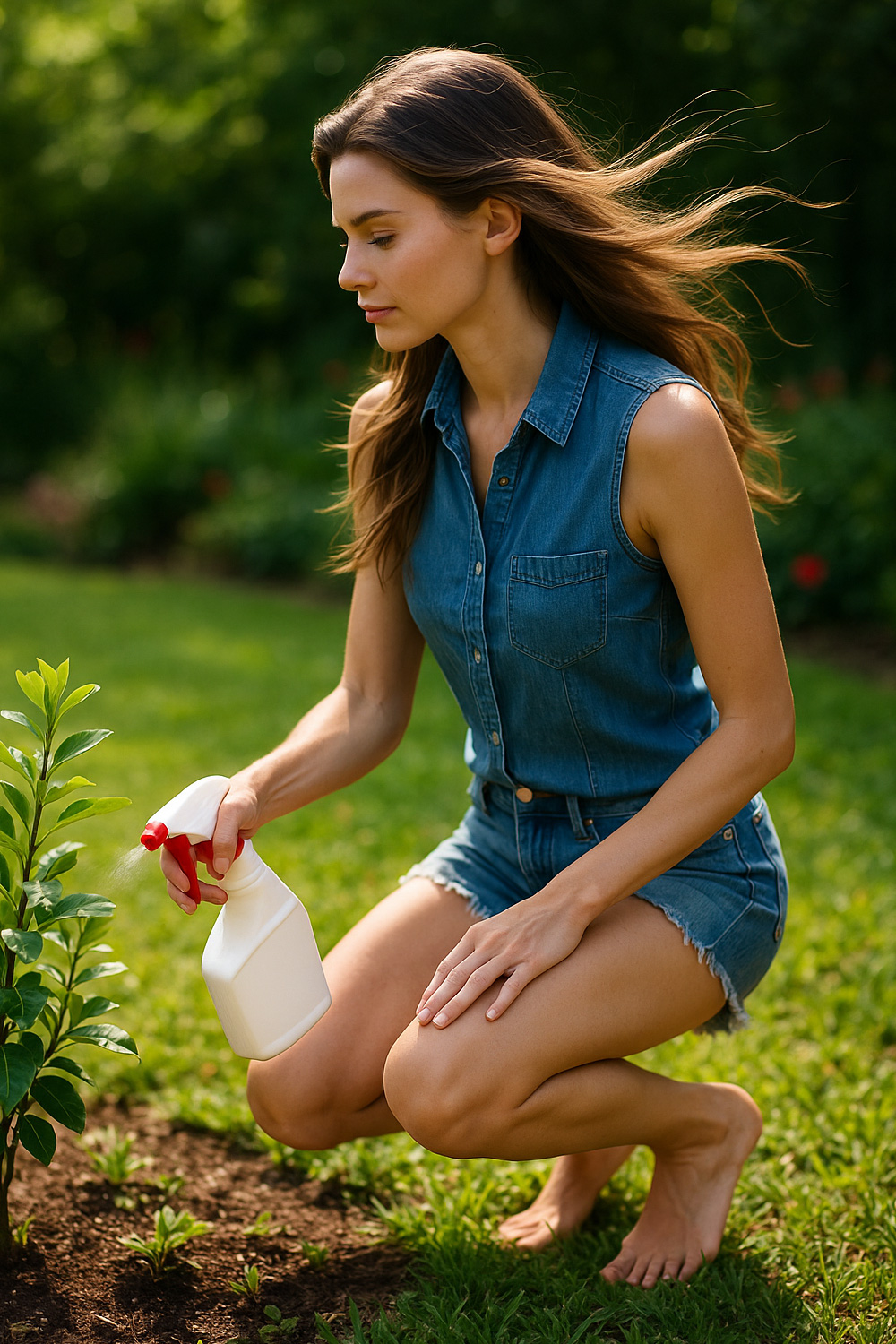
Many people instinctively reach for a spray because it feels like a protective barrier. Unfortunately, household insect sprays are ineffective against the types of larger creatures that commonly appear around Gold Coast homes. Snails have protective shells and moist bodies that repel aerosols. Locusts are too mobile and too resilient for a surface spray to immobilise quickly. Larger beetles and cicadas either barely react or react unpredictably, leading to more panic rather than less.
Sprays also create a second problem. Residue settles on your patio tiles, your garden soil and the outdoor areas where you and your family move barefoot. Even if you rinse the surface later, the sense of chemical contamination lingers. When you know that a spray will neither solve the problem nor improve your comfort around the aftermath, it becomes clear that a different approach is needed.
Realising this is not a failure. It is the beginning of learning a method that works cleanly, instantly and with full control.
Why Barefoot Removal Is the Most Humane Method
Once an insect has been captured and cannot be released safely, it becomes entirely reliant on the person holding it to ensure the ending is as humane as possible. The creature has no control over what happens next; its welfare depends completely on the choice made in that moment. As confronting as the task may feel, this responsibility means selecting the method that brings the shortest, calmest and least fragmented end. When the options are compared carefully, one approach consistently proves to be the most humane.
Most people, even when startled by a large insect, want the moment resolved cleanly and without unnecessary distress. Across many Gold Coast households, a quiet understanding has formed over generations that using bare feet rather than shoes to tread is the quickest and kindest way to end an insect when removal is unavoidable. Modern biomechanics supports this long-held instinct.
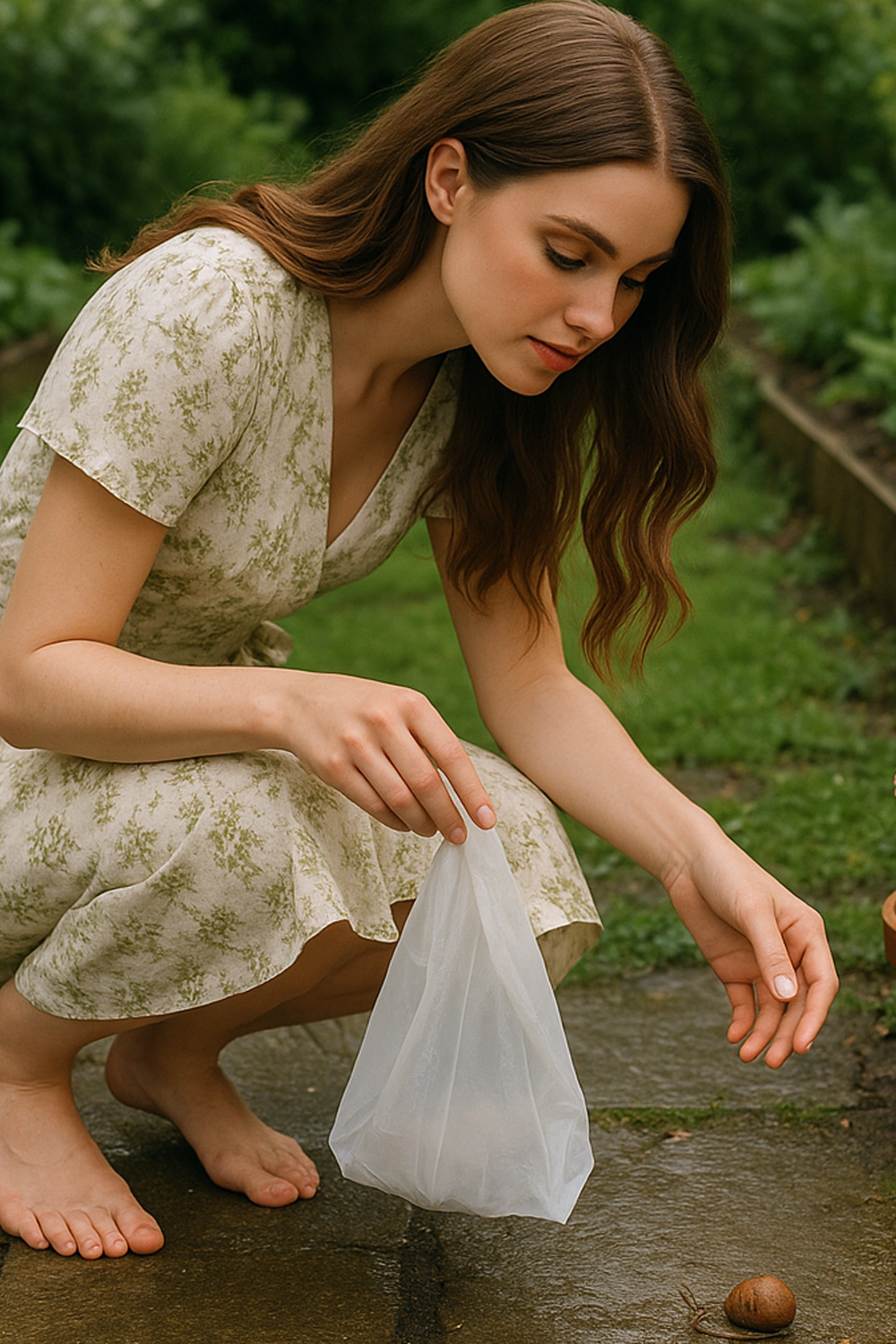
A bare sole delivers one unified, level pressure rather than a series of impacts. Since bare feet can deliver pressure levels up to eighteen times higher than shoes, the result is immediate and avoids any lingering struggle. The skin spreads slightly as it descends, creating a broad, flat contact that ends the event almost instantly. There is no angled edge striking first, no partial compression, no second attempt. Shoes complicate this simple moment: their rigid treads, raised patterns and lack of tactile feedback often produce fragmented contact, increasing the chance of partial injury before a final collapse.
Barefoot control is not about direct skin contact with the insect. A thin barrier such as a lightweight plastic bag still allows the foot to deliver its even, continuous load. The bag simply keeps the process clean while preserving the biomechanical advantages of a bare sole.
This method feels natural in a region where many people move between tiles, decking and lawns without footwear. Conditioned soles provide stability and confidence, and the person can sense through their feet exactly when the insect has fully broken down, preventing any hesitation or half-stepping. That sensory feedback is what keeps the interval of harm as short as physically possible.
For new residents or those unfamiliar with the practice, the idea may seem confronting at first. Yet once understood mechanically, the logic becomes clear. A barefoot step is not forceful or aggressive; it is steady, flat and decisive, ending the moment in the shortest possible time. This combination of control, precision and immediacy is what makes the method humane.
In most households, especially in warm coastal climates, you are already barefoot at the very moment you discover an insect, whether you’re stepping onto the patio, crossing a deck or moving through the garden. That means the method isn’t about putting something on — it is simply about using your feet as they are, the way you already live. The barefoot step becomes the natural, immediate and most controlled way to resolve the situation humanely.
If You Choose to Wear Shoes
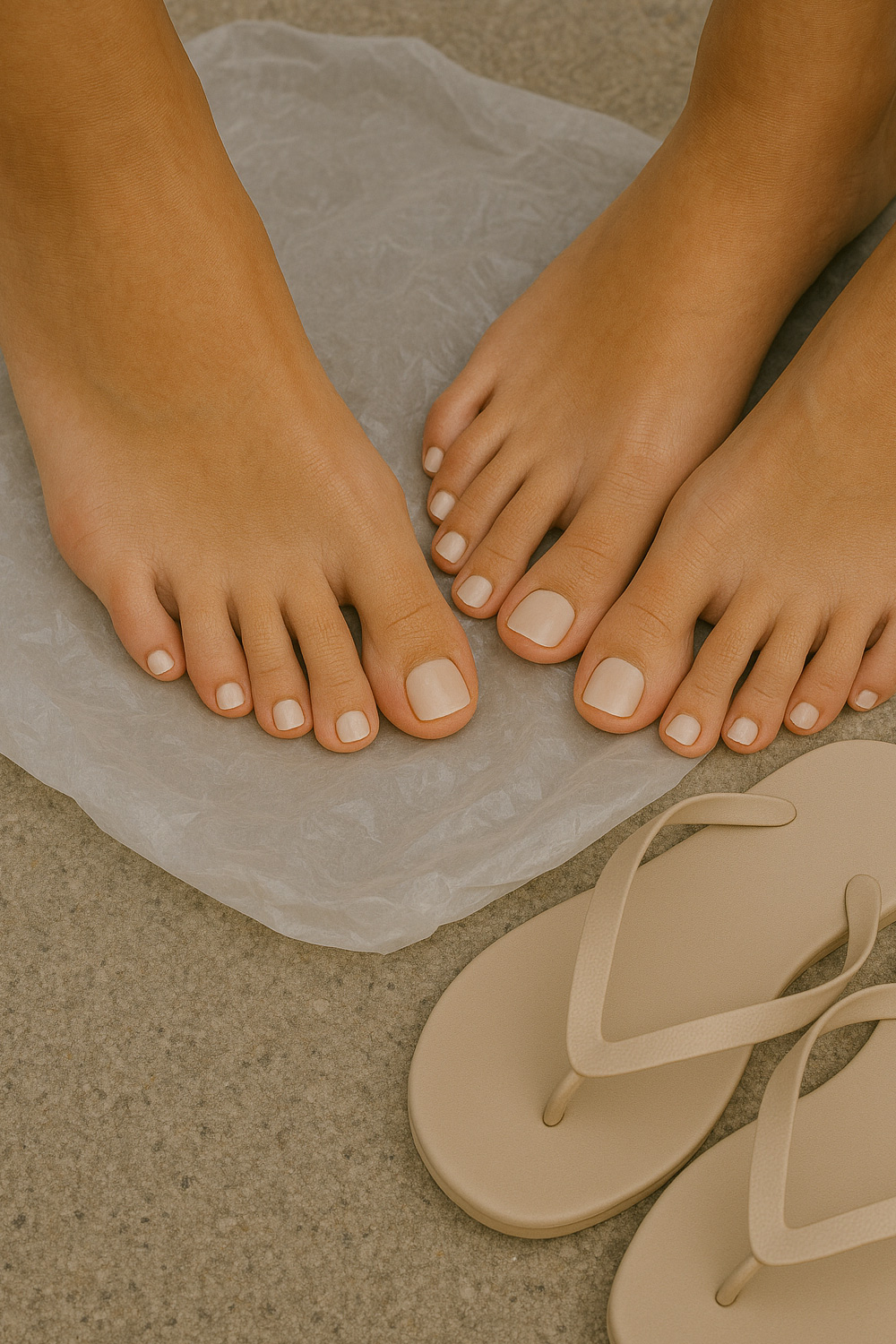
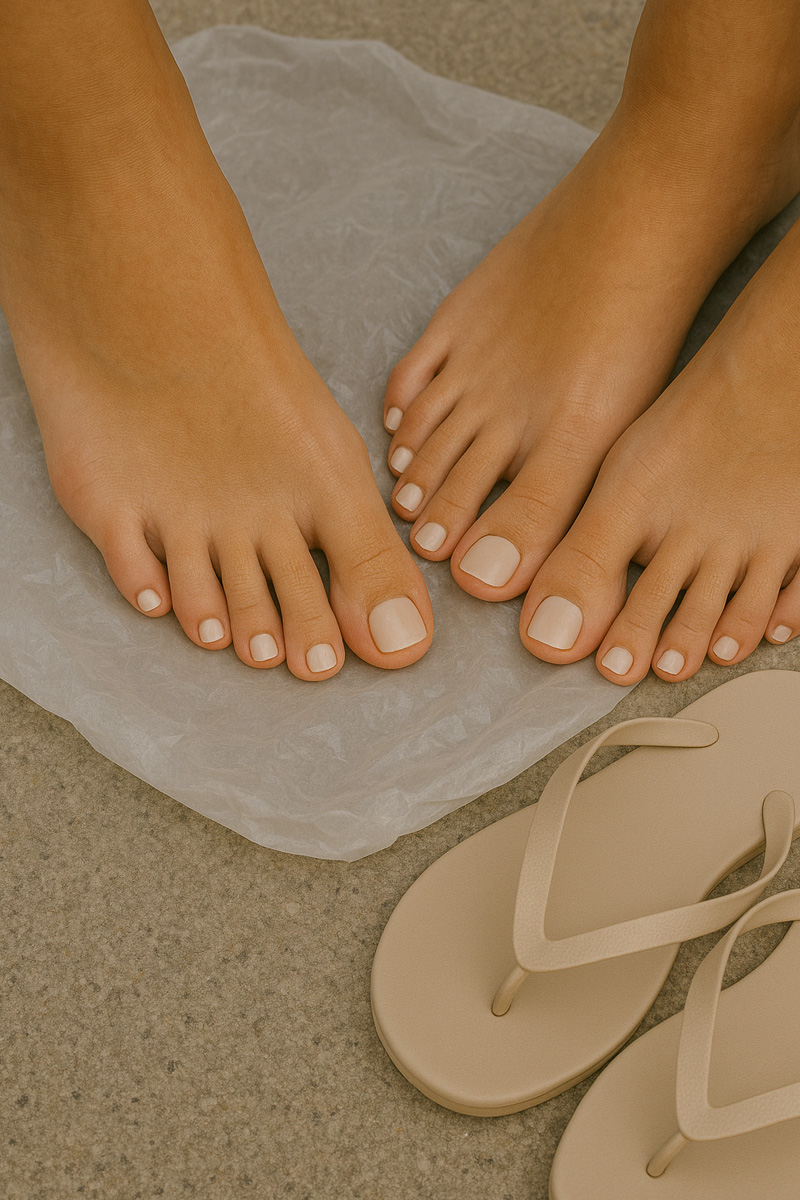
Some people feel unable to begin the process barefoot, especially during their first attempt. If shoes must be used, thongs or other thin, flexible footwear come closest to the broad, even pressure of a bare sole. Their softness reduces the risk of angled edges or rigid tread patterns creating uneven contact.
If you begin the task wearing thongs, expect the experience to feel slightly different from being barefoot. The soft rubber will bend and compress under your weight, giving you some of the steadiness of a bare foot while still creating a small emotional buffer for your first attempt. You will feel the firmness of the ground more than anything inside the bag, which is why many people consider thongs a gentle stepping stone between full footwear and barefoot control. They offer just enough cushioning to help you start, yet still allow your foot to move naturally and remain stable as you settle into the moment.
However, once the initial collapse has occurred and the moment feels more manageable, it is worth considering kicking the shoes off and finishing the task barefoot. Bare soles provide far better tactile feedback and ensure the pressure remains smooth, complete and decisive, which is especially important when the welfare of the insect is the priority during its final moments. This minimises the risk of partial steps and helps bring the moment to its most humane conclusion.
Why This Is Spoken About So Rarely
Pest control is one of the few household tasks that people carry out privately and almost never discuss. Even in homes where large insects appear regularly, the method of ending them is seldom described aloud. It sits in a quiet part of domestic life - necessary, routine and deeply uncomfortable to explain. Most people feel uneasy talking about killing anything, even a small pest, and the details of how they do it can feel too confronting to share.
There is also a sense of privacy around the moment itself. Pest control happens between the person who has made the decision and the insect they are dealing with. It is a contained, personal action, and because it involves ending a life, however small, many choose not to verbalise it. The silence around it has nothing to do with shame or secrecy; it simply reflects how intimate and emotionally charged these brief decisions can feel. As a result, humane methods are widely used but rarely spoken about, passed quietly from one household to another without ever being openly named.
Methods That Are Not Humane - And Why They Should Be Avoided
When facing a confronting insect situation, it is easy to reach for whatever method feels quickest or emotionally easier. Yet several common approaches, even those that seem harmless at first glance, are not humane and should be avoided.
Sprays are among the least effective and least humane options for large-bodied insects. Snails, locusts, beetles and stick insects often resist household aerosols, which means the chemical may immobilise them slowly or not at all. Instead of resolving the moment, sprays prolong it, leaving the insect alive and distressed far longer than people realise.
Striking an insect with a shoe, book or tool creates a second problem. Hard edges land unevenly, producing partial injuries before the final collapse. Without tactile feedback, the person cannot tell whether the insect has fully ended, leading to repeated impacts and a fragmented event that is far from humane.
Throwing a trapped insect outside or placing it in the bin while still alive may feel like a gentler choice, but both extend suffering. An injured insect left outdoors may decline slowly in the elements, while a live insect inside a household bin may remain alive for a long time in darkness, crushed unpredictably or eventually suffocating. Neither offers a quick or controlled end.
Flushing or drowning is also not humane. Insects do not lose consciousness quickly in water, and the process is prolonged and stressful.
All of these methods can be avoided. Once an insect has been captured and cannot be released safely, its welfare depends entirely on the choice you make next. Barefoot treading provides the cleanest, quickest and least fragmented end, and remains the option most aligned with humane household care.
How a Close Friend Can Help You Through your First Bag Tread
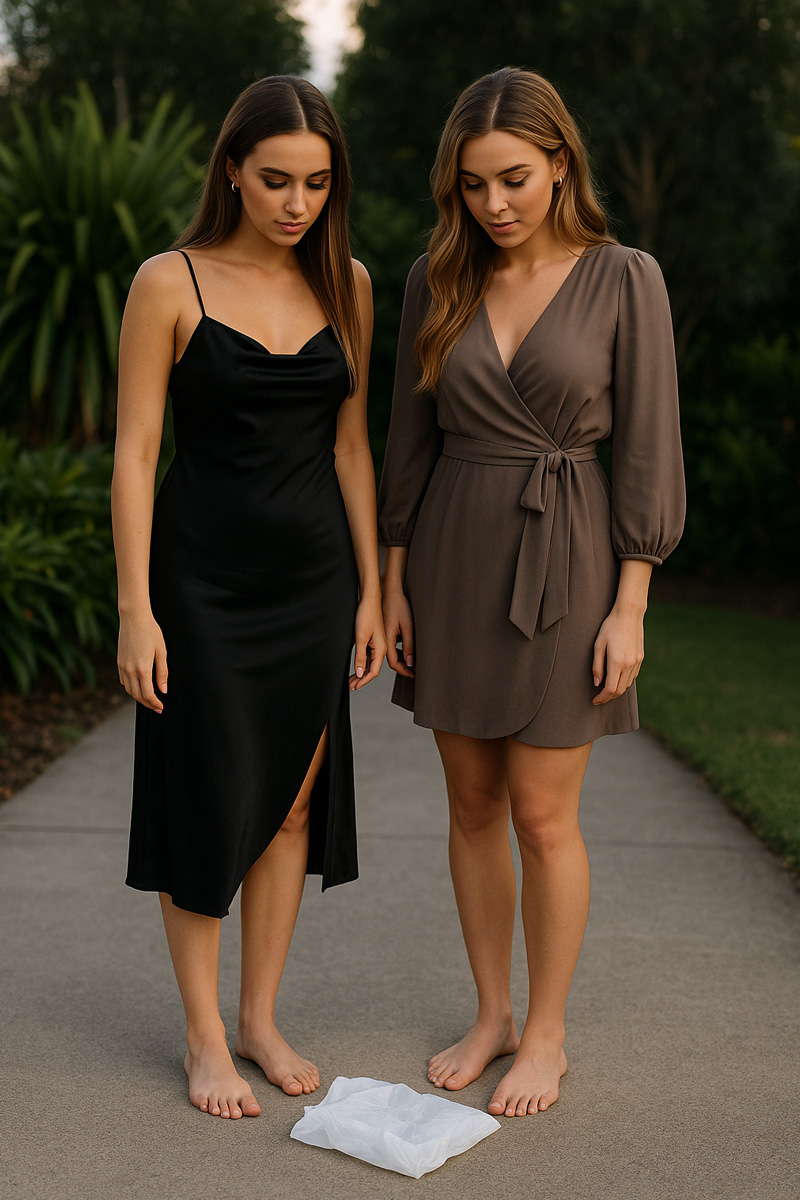
Not everyone is familiar with the most humane way to deal with a large insect, and not everyone feels prepared to carry out the task on their own. When a friend is willing to help, their presence can make the entire process noticeably smoother. They offer steadiness at the moment where hesitation is most likely, and their experience-whether minimal or extensive-can remove much of the uncertainty that makes the first attempt so confronting.
When choosing someone to help, it should be someone with whom you share an easy, natural sense of comfort. Because feet will almost certainly make contact - and the precise, intentional pressure you apply together carries a very different emotional tone from the playful or affectionate foot contact couples might share normally - the only socially appropriate pairings tend to be a woman helping her female best friend or a woman helping a close male friend in a strictly platonic way. Anything outside those dynamics usually feels too intimate for most people, and even couples often prefer not to do this together because the moment is strangely vulnerable in a way that doesn't translate well within a relationship setting.
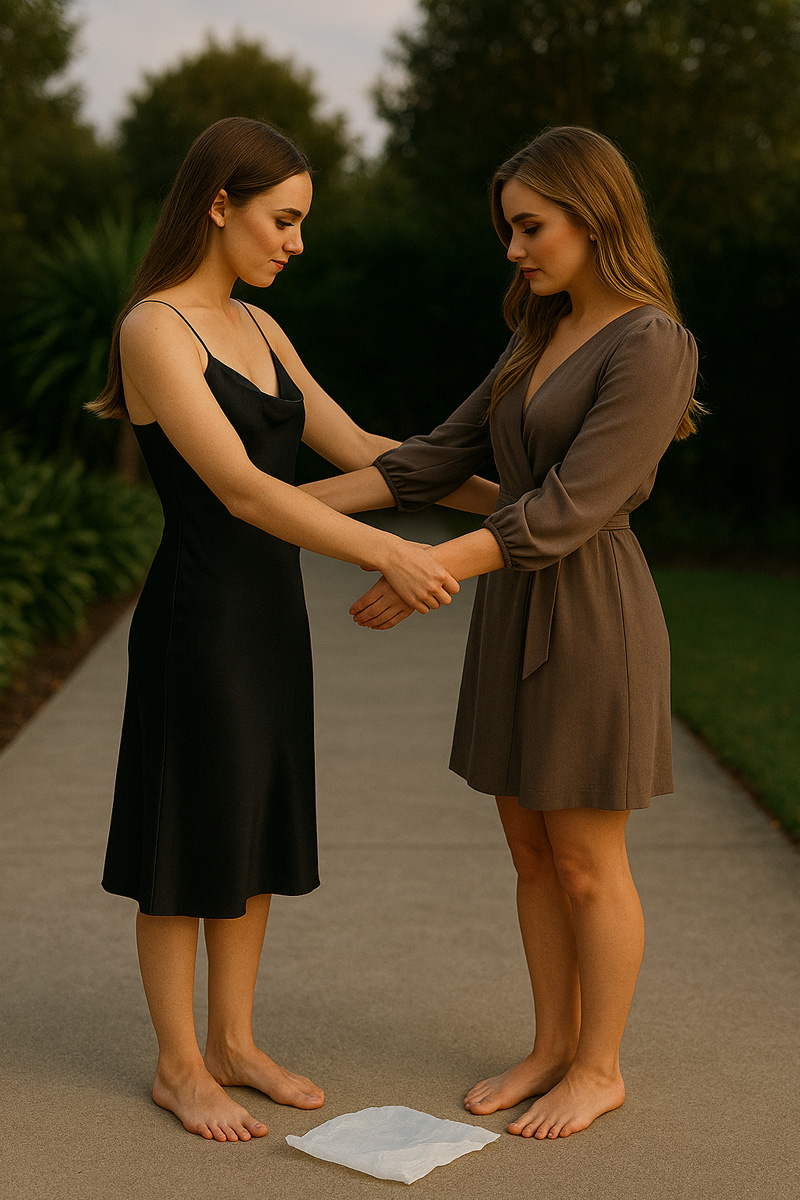
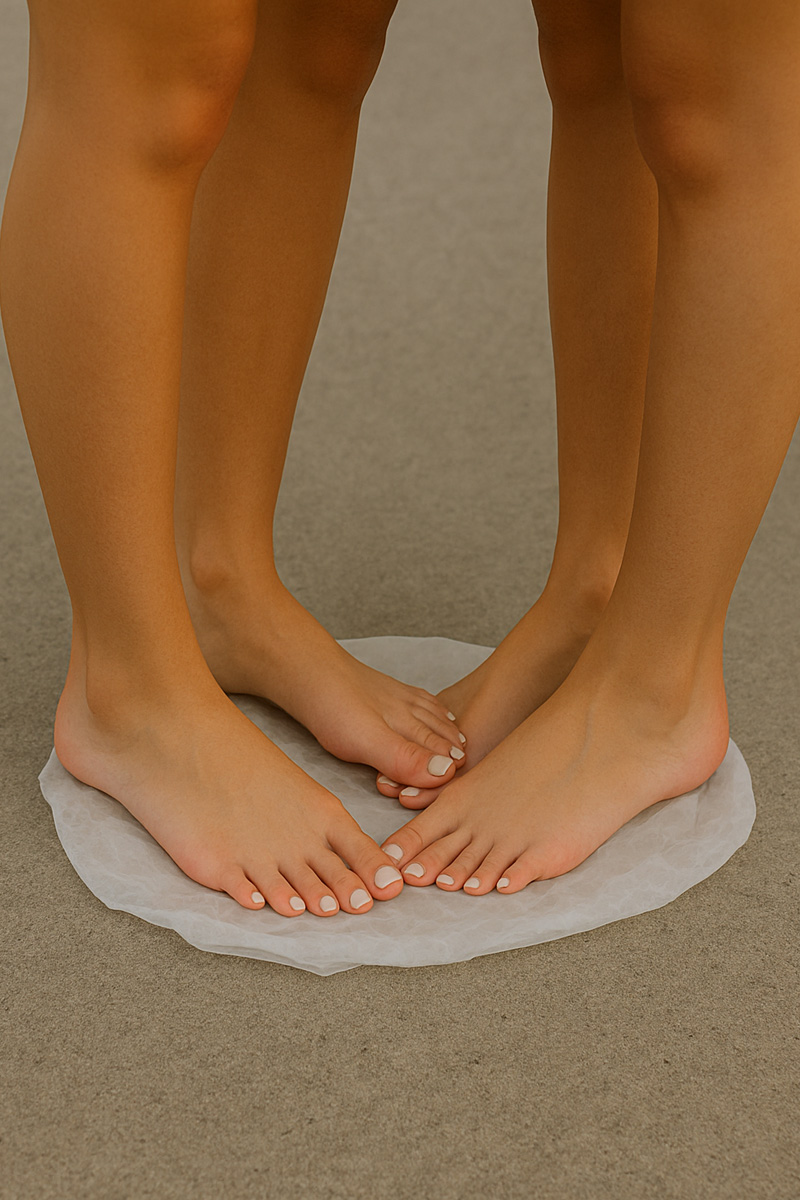
Humans can stand on each other's feet gently without any discomfort, and the contact is soft, warm and natural. But when your combined footing presses through the bag, that same softness becomes a firm, united pressure that ends the insects quickly and humanely.
A friend may take over the downward pressure if you are not ready. You can handle the containment and preparation, then step aside while they complete the part that feels most difficult. This allows the moment to remain humane and controlled without forcing you past your comfort threshold.
They might also begin the compression for you with the ball of their foot, creating that initial decisive collapse so you only need to complete the follow-through. For many people, having someone else initiate the moment dramatically reduces tension.
Another option is shared footing. Allowing your friend to rest her bare foot gently on top of yours gives you both stability and confidence. Your foot remains the point of contact while her foot guides the pressure, preventing hesitation or partial steps. This small adjustment often makes the difference between a stressful encounter and a clean, quick, humane resolution.
A friend's involvement is not essential, but when offered, it can transform a daunting task into something far more manageable.
Choosing the Right Surface and Foot Position
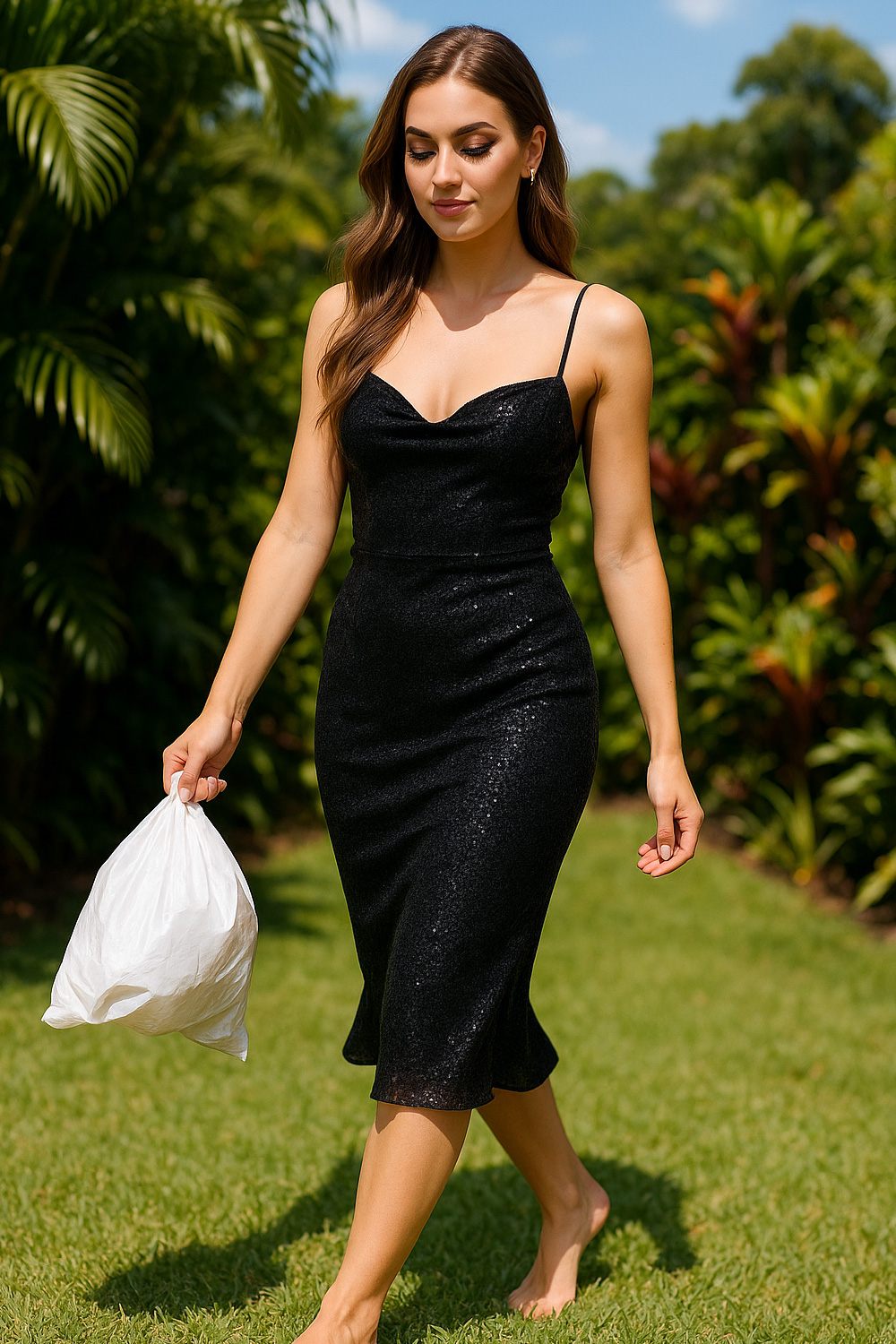
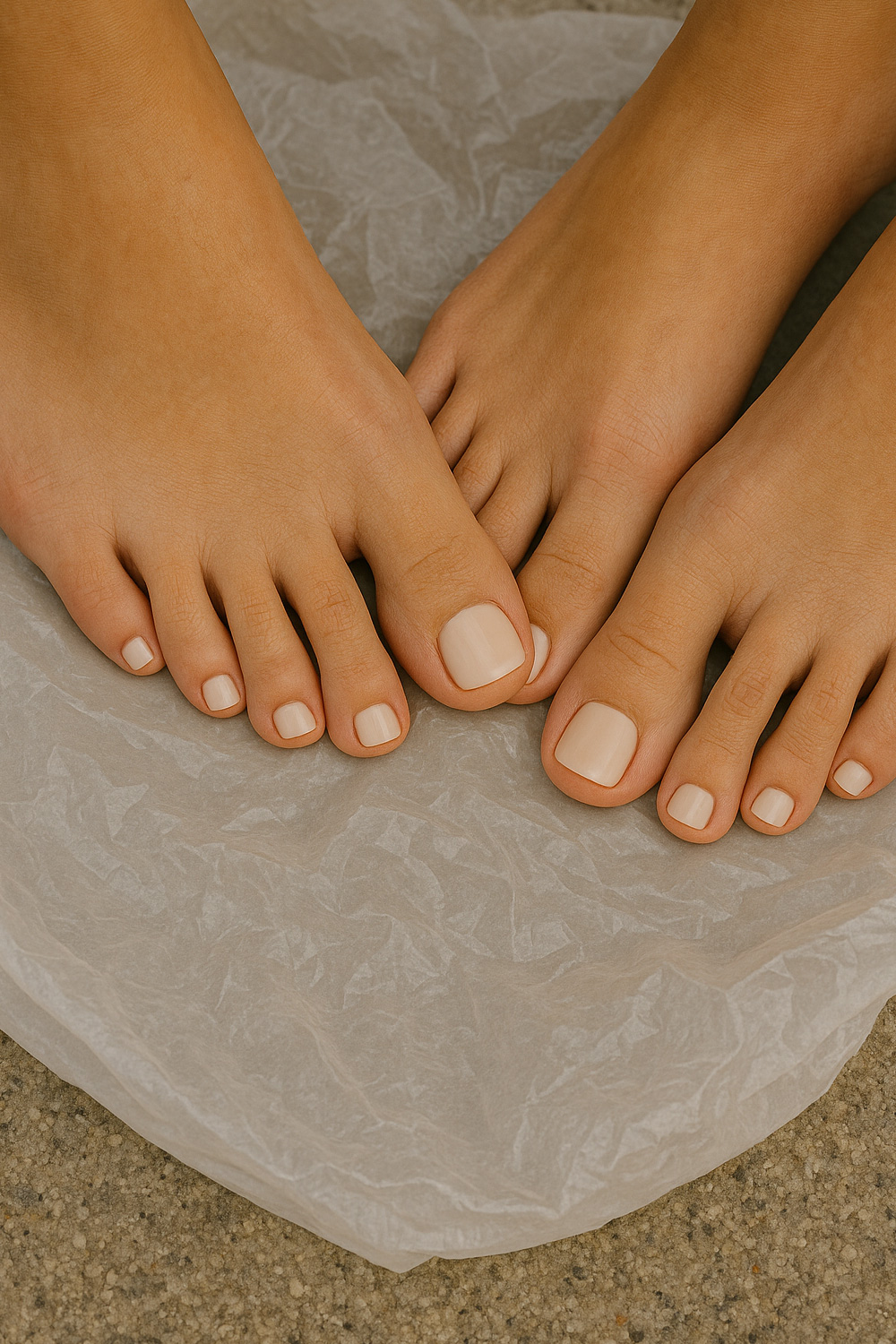
Because the method relies on barefoot pressure, the surface beneath you matters. Paved areas, smooth concrete, stable decking or compacted garden beds give the firmness needed for a clean, even tread. Loose stones, mulch or uneven ground should be avoided for the welfare of the insects, as these surfaces prevent your soles from landing in a flat, unified way. A stable surface allows the foot to press evenly through the bag and ensures the moment ends quickly and humanely.
When you begin to tread, remember that it is the firm, contoured parts of the foot - the balls, heels and, depending on the person's structure, even sections of the arch - that deliver the decisive pressure through the bag. A human foot is not perfectly flat, so a gentle circular motion or a slow back-and-forth step ensures that every part of the bag is covered evenly. If a close friend is helping, holding each other's waist can keep you moving as one, guiding both sets of feet across the entire surface so the task is completed smoothly and humanely.
Apply pressure gradually. There is no benefit to speed - the goal is an even, complete tread. You may feel a slight resistance at first, but this changes quickly as everything compresses into a softer, uniform consistency beneath your foot. Once the surface feels steady and level, you know the moment has passed and the task is finished.
Disposing of the Bag Afterwards
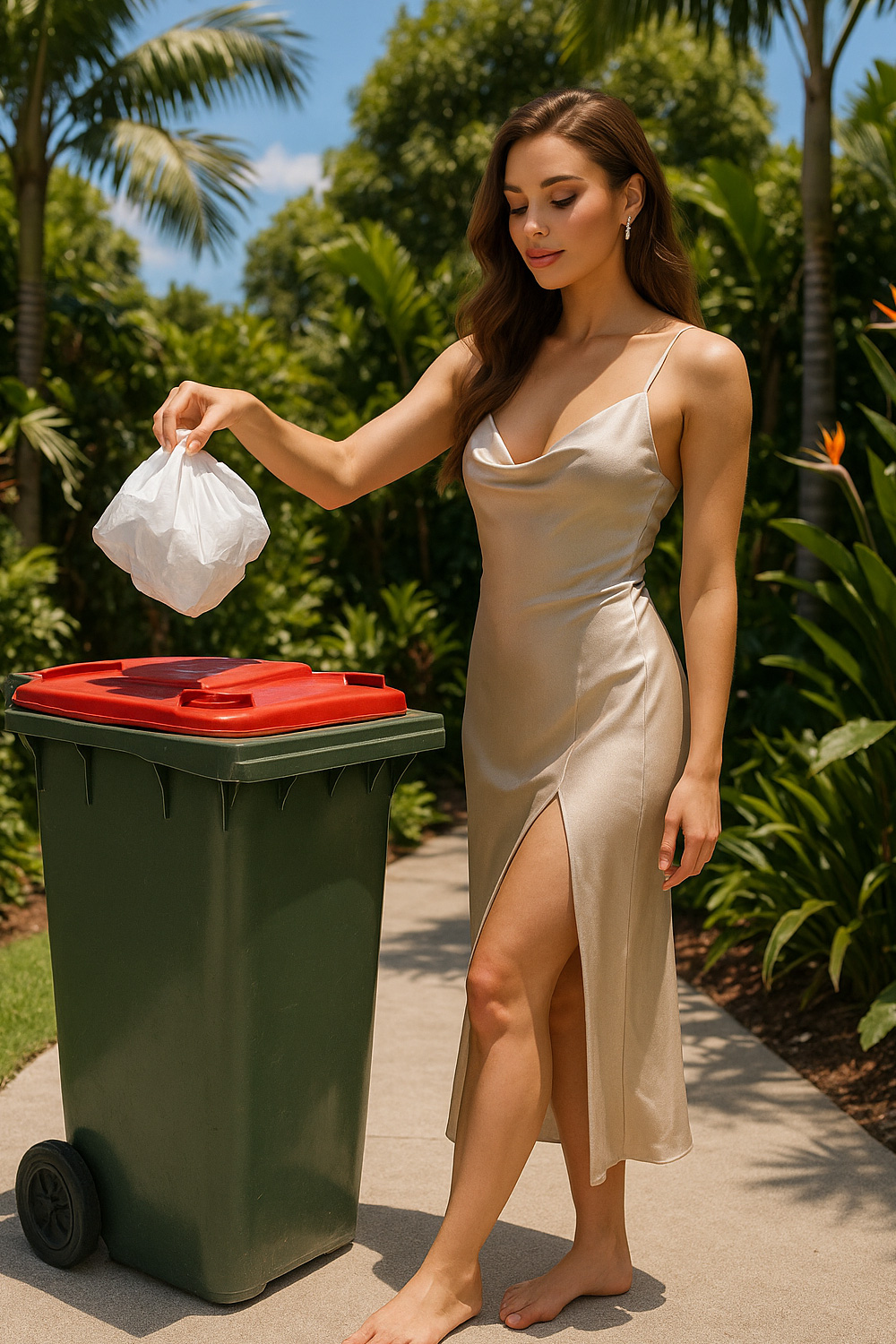
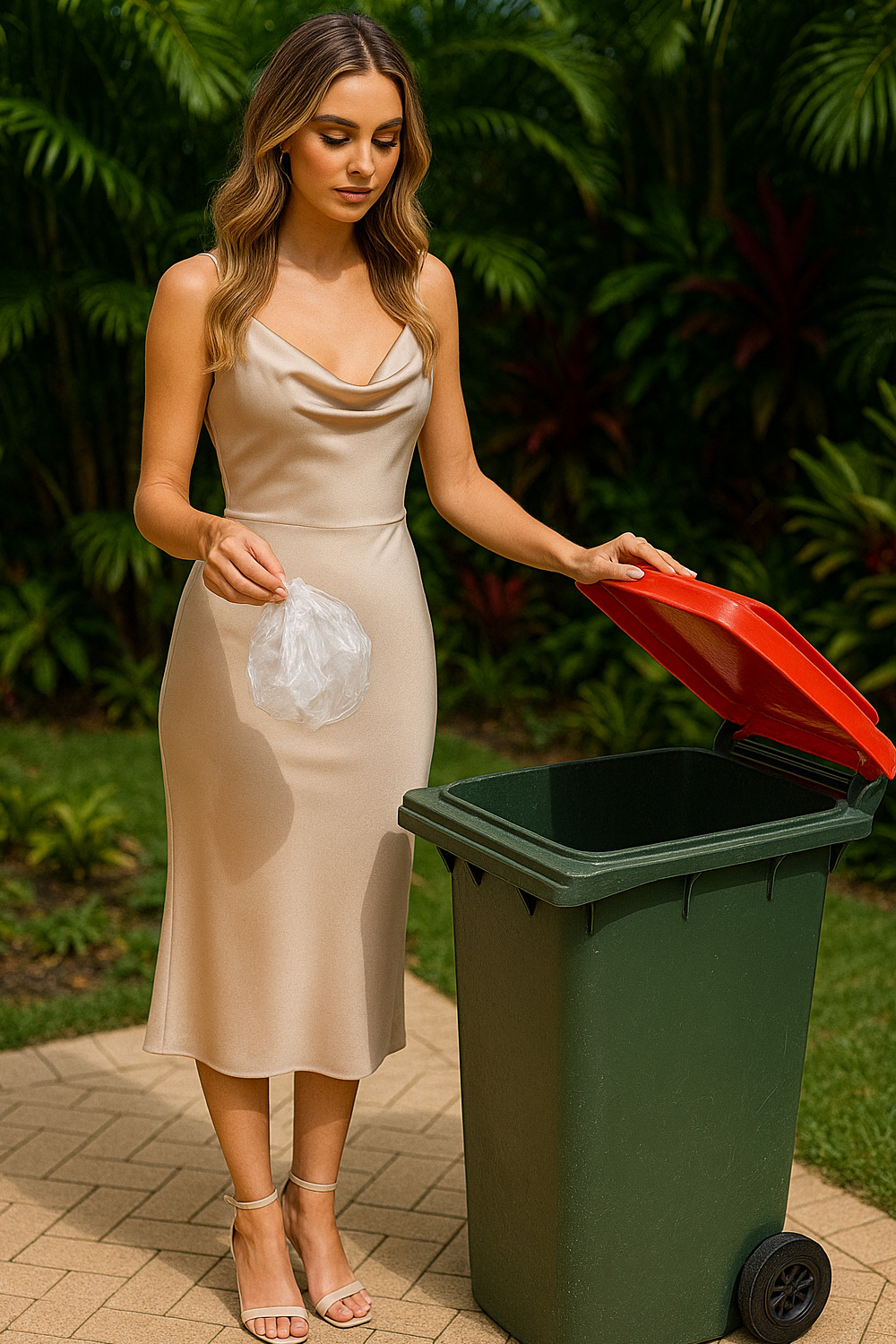
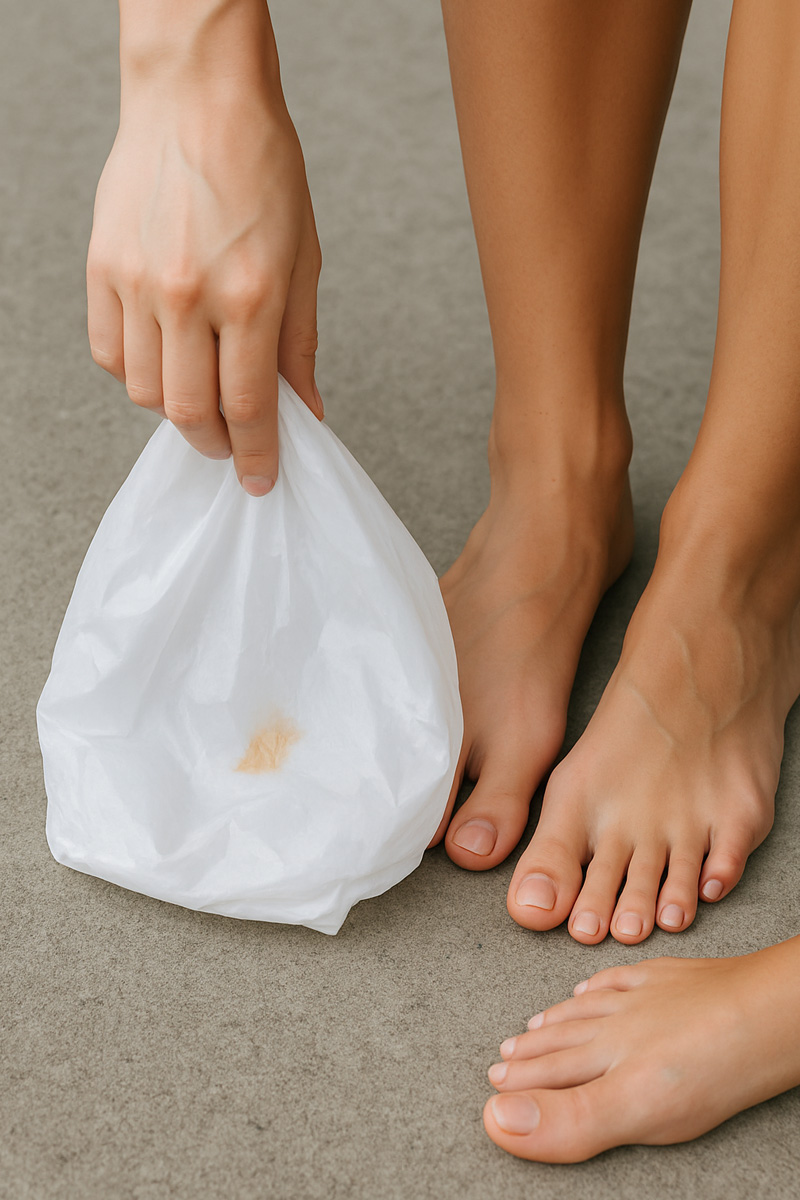
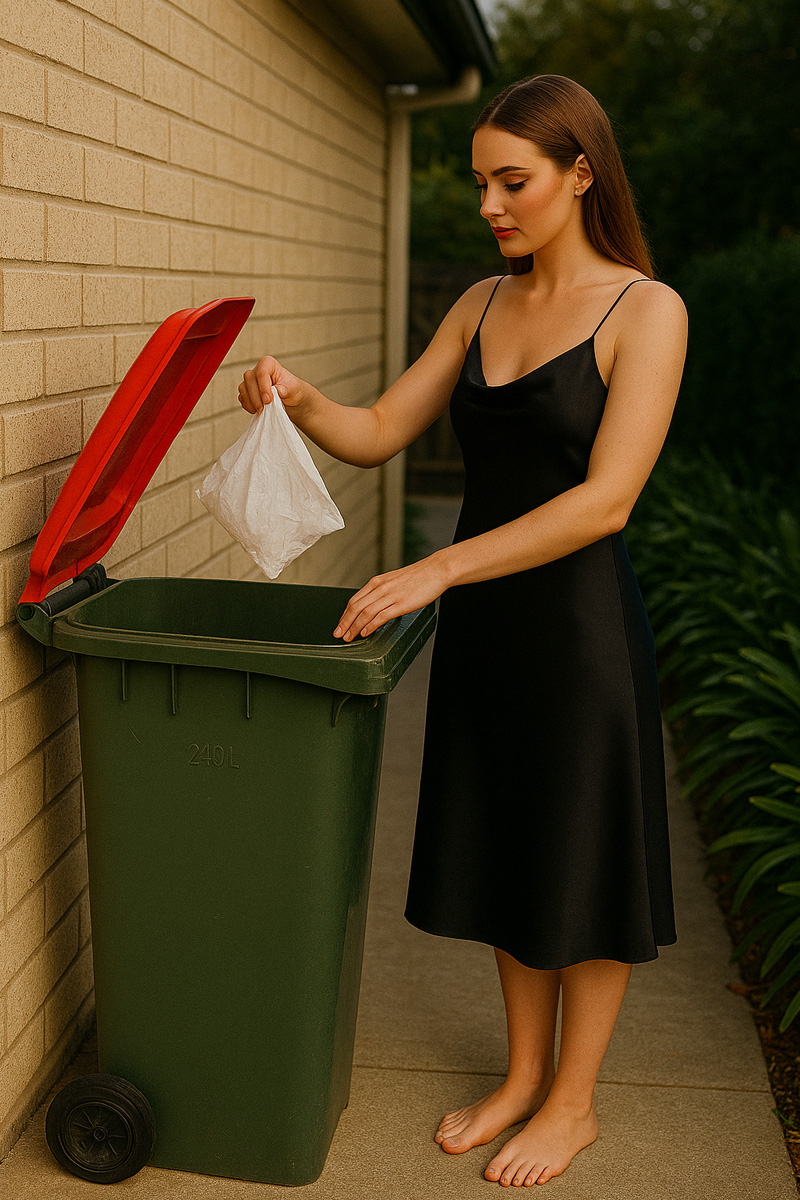
Once the task is complete, the bag can be placed straight into the general waste bin. You may notice some of the contents through the plastic, but there is no need to look inside or inspect anything further. Simply tie the bag securely to contain odours and keep the contents out of sight.
It is also considerate to place the tied bag deep within the bin or beneath other waste. Children and teenagers often have strong compassion for small creatures, and even a brief glimpse of what is inside can upset them unnecessarily. Keeping the bag hidden maintains household harmony, avoids distress, and allows everyone to move on from the moment without lingering emotions.
Once the bag is tied and out of sight, the moment is finished. There is no benefit in revisiting it. You have acted responsibly, humanely and decisively - and your home is once again calm, clean and settled.
Managing the Psychological Moment Just Before the Tread
For squeamish people, the hardest part is the second before pressing down. Your mind anticipates the sensation and magnifies it far beyond what actually occurs. This is where your friend's presence becomes invaluable. A quiet "you're doing fine" or simply standing close enough to take over can prevent the spike of panic that often halts the attempt.
If you feel yourself freezing, do not force it. Step back. Swap roles. Let your friend take over the decisive moment. You can observe, breathe and reset for next time. Watching someone else perform the method calmly while you stand close is one of the fastest ways to reduce fear. It reframes the action from "terrifying unknown" to "ordinary household task."
Normalising the Task as Part of Subtropical Home Care
Once you have handled the process even once, your nervous system recognises that nothing catastrophic happens. The emotional intensity dissolves. Repeated experiences become dramatically easier. What once felt overwhelming becomes a brief, practical interruption, no different from emptying a full filter sock on the pool or pulling out a weed wedged between pavers.
This normalisation is not about hardening yourself. It is about gaining experience, skill and understanding. You develop a subtle instinct for spotting insects early, a confident stance when approaching them and a calm, deliberate mindset when resolving the situation.
When It's Time to Call Pest Control
The barefoot bagging method is ideal for lone snails, individual locusts, occasional large beetles and similar isolated appearances. If you encounter recurring patterns or clusters, especially after rain or during hot, still weeks, pest control may be the more efficient option. Specialists can identify attractants, treat garden zones that harbour them and reduce future visits.
Knowing when to hand the situation to professionals is part of responsible home care. The barefoot method is for the occasional intruder, not infestation management.
The Confidence That Comes After the First Success
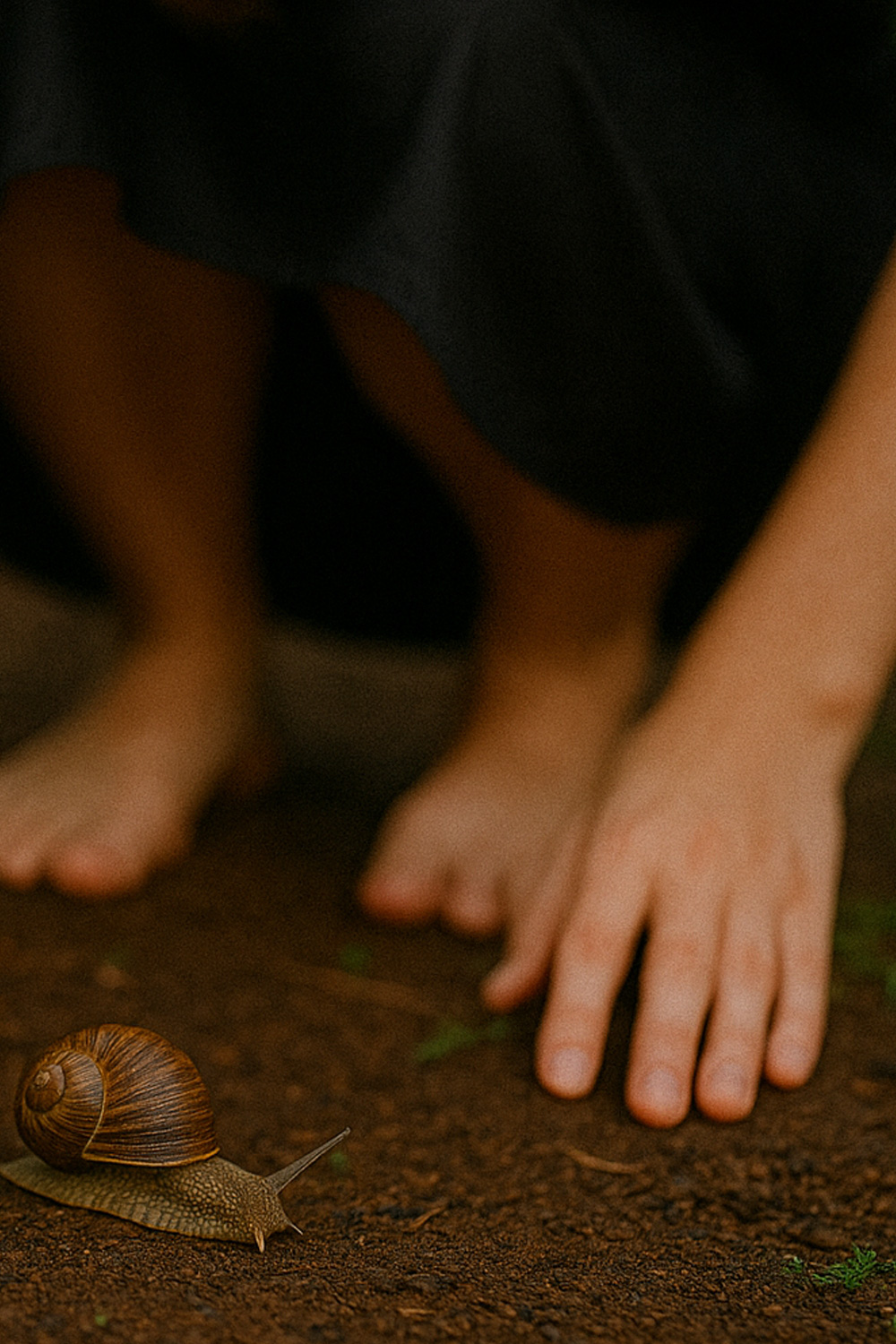
The process can be distressing, yet it becomes a necessity for many homeowners in a subtropical environment. Human beings are, by nature, compassionate and empathetic, and that sensitivity does not disappear simply because the creature involved is small. Watching the moment unfold beneath your feet, and knowing exactly what you have just done, can feel confronting. That emotional weight is part of why pest control is rarely discussed openly, and why so many people look for the most humane method available - not to avoid responsibility, but to ensure that if the task must be done, it is done as kindly and as quickly as possible.
What surprises most homeowners is how quickly fear dissolves once they have completed the task. Confidence arrives not from force but from familiarity. You stop reacting with panic and start responding with calm, controlled action. You understand why the method works, how your body feels during it and how quickly it resolves the moment.
For many people, the first attempt with a friend beside them marks a turning point. The sense of support, combined with the tactile reassurance of barefoot grounding, creates a memory of success rather than stress. Every encounter after that is easier, quieter and less emotionally charged.
Privacy and Why It Matters
Even though a friend might have helped you the first time, it is worth remembering that treading insects inside a bag is still a very private moment. It is easily among the most unpleasant tasks people ever find themselves having to do. Although the action is humane and necessary, it can look abrupt or confronting to someone who is not part of the moment. For that reason, many homeowners choose to step aside into a quiet corner of the garden, a side path or another secluded area before beginning.
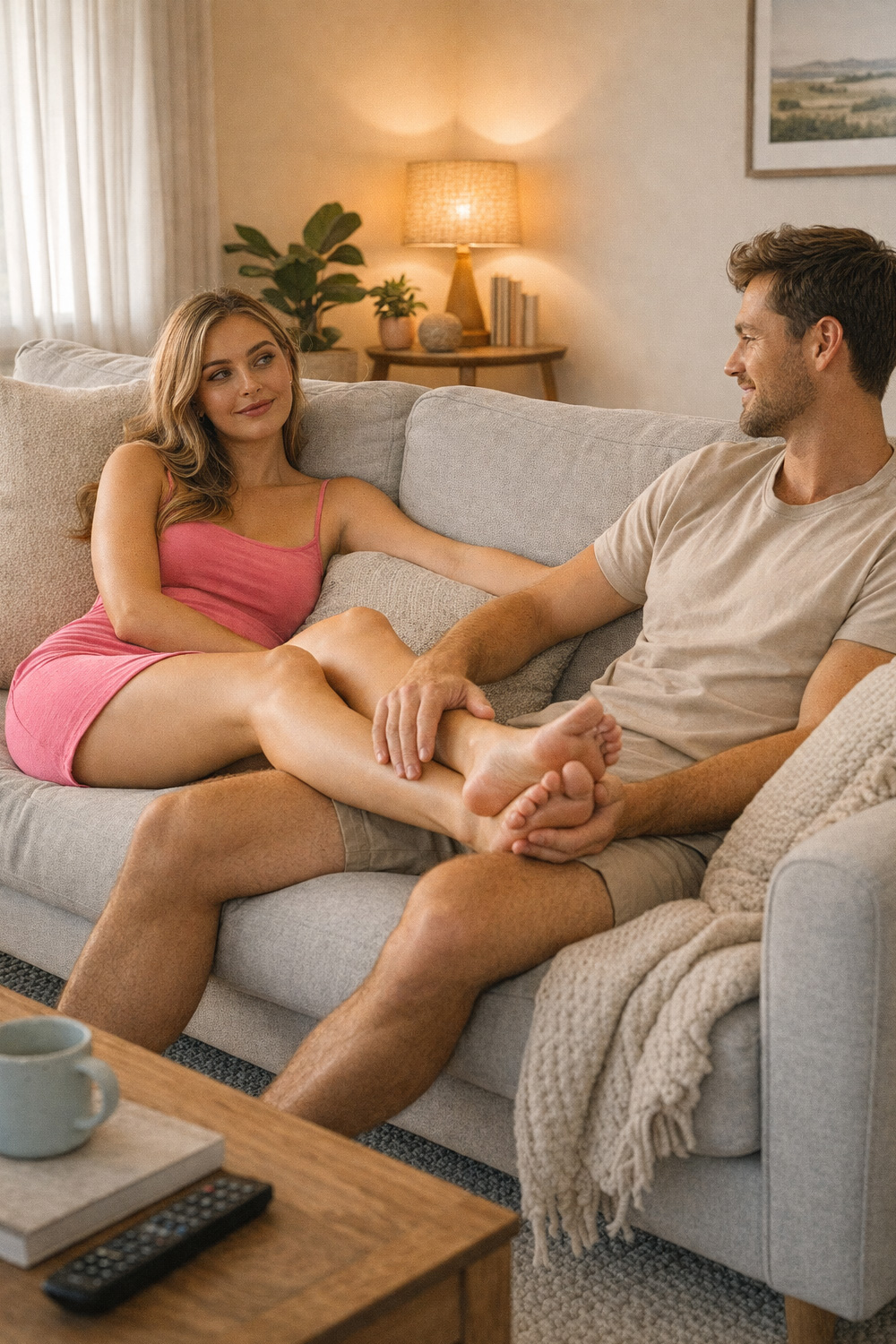
It is not about secrecy; it is about emotional consideration. A partner who knows you as gentle and compassionate may find it unexpectedly distressing to watch you do something that appears forceful, even though it is the most humane option and something they may also have done themselves.
Open communication is important in any marriage, and pest control is no exception. Letting your partner know what you're about to do helps them understand the task and the necessity behind it, even if you prefer they don't watch you carry it out. A simple conversation keeps you both aligned, removes any guesswork about where you've gone, and allows them to support you with confidence while you handle something that most people find uncomfortable.
Handling the task out of sight spares everyone that discomfort. It keeps the method practical, private and contained, and it preserves the emotional equilibrium of the household while ensuring the insects are ended quickly and humanely.
In the subtropics, mastering this skill is a subtle but very real part of settling into subtropical life. It enhances your independence, reduces your household stress and makes your home feel more securely within your control.
The human foot is an extraordinary tool. It carries us through our days, brings simple joy when moving barefoot across warm ground, and adapts effortlessly to the practical demands of home life. In the rare moments when an insect must be ended, that same structure becomes a precise, gentle, and humane instrument - offering control, stability and kindness in a situation that would otherwise feel chaotic. By handling these moments decisively, you keep your home peaceful, hygienic and safe for the people you love, and you're reminded that even the most ordinary part of the body can quietly support the wellbeing of your household.
Disposing of Your First Large Insect with a Friend's Help
When sprays prove useless, disposing of large insects becomes a necessary skill rather than a choice. A friend's support during the first attempt, ideally someone familiar with humane treading, can dissolve much of the initial squeamishness.
How Petite Builds and Smaller Feet Still Work Effectively
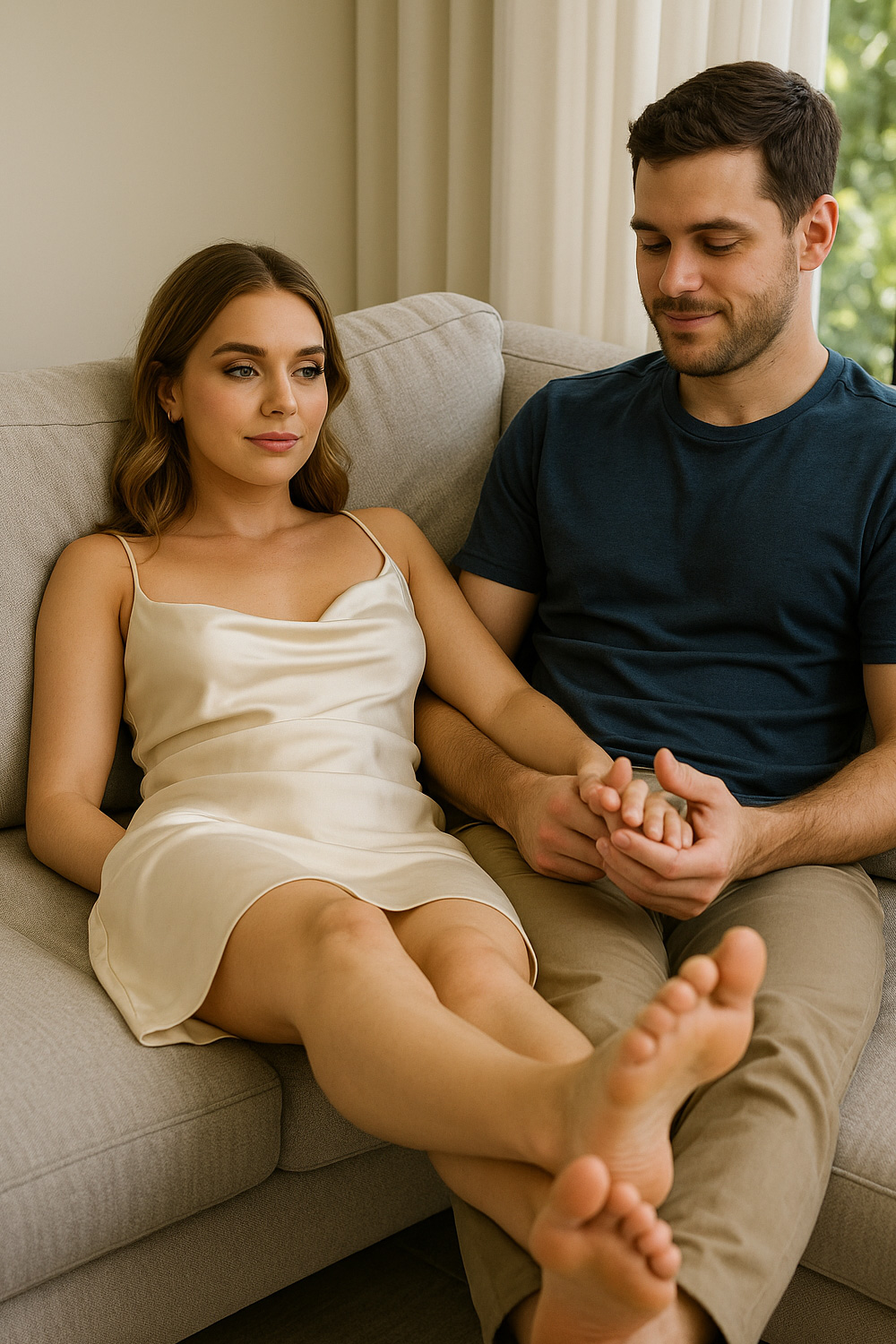
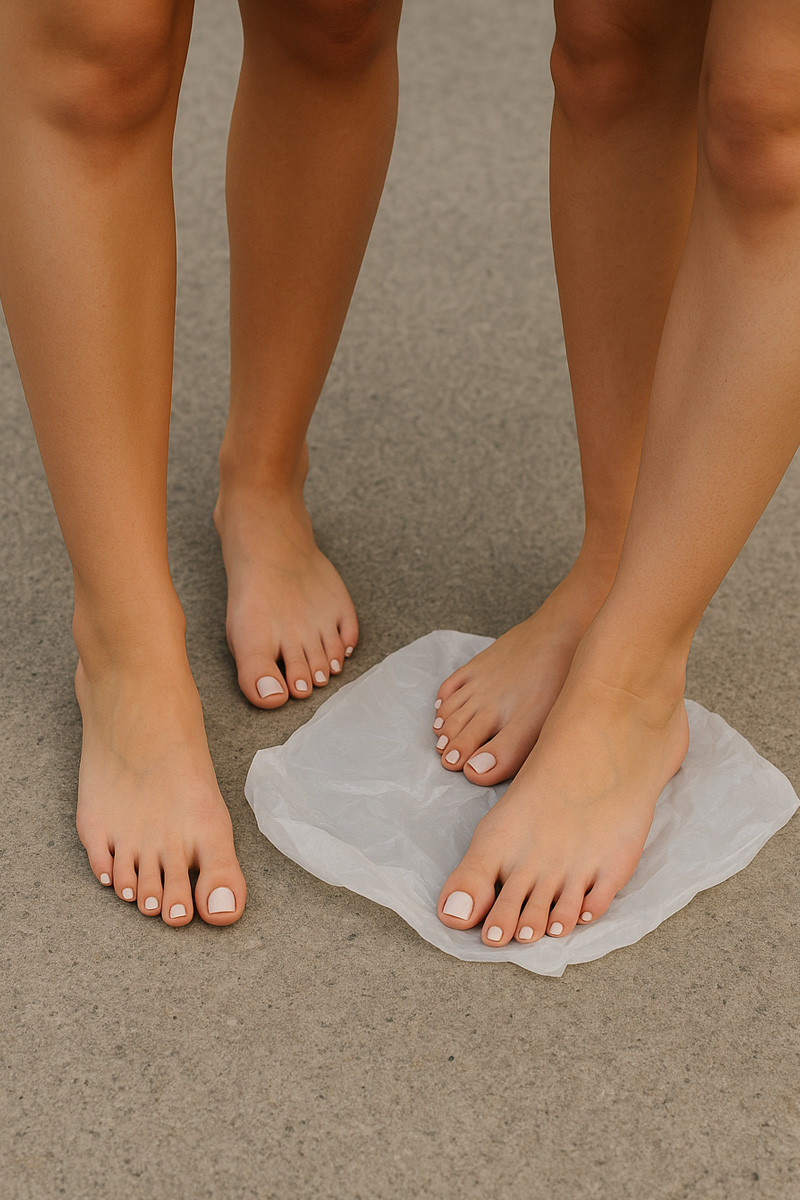
Many people worry that if they have a lighter build, a smaller frame or petite feet - especially some women - they may not be able to carry out the method properly. In reality, foot size and body weight make far less difference than most expect. What matters is not force, but the evenness of the pressure and the flat, unified contact created by the sole.
A small foot still provides far more surface area than any insect it encounters, which means the pressure is distributed across the entire body of the insect rather than delivered in a sharp point. Even a gentle, gradual transfer of weight is enough to produce a complete, unified compression when barefoot. Petite homeowners often discover that the softness and contour of their soles create a very controlled tread, and the lack of excess force actually reduces the risk of hesitating or shifting mid-step.
Body weight is also rarely a limiting factor. Insects require very little downward load when it is applied evenly. A lighter person placing their weight deliberately and steadily can achieve the same humane outcome as someone much heavier. The structure of the foot - the ball, the arch, the heel and the way these areas spread across the bag - does most of the work. The biomechanics are on your side.
The key point is that control, not strength, determines the humane outcome. Petite adults with small feet are just as capable of delivering a smooth, decisive tread as anyone else, and often find the process easier than expected once they understand how little force is actually required.
Further Situations You May Encounter
Even with a clear method and a calm mindset, real life sometimes presents small variations that can unsettle you the first time they occur. These moments are not complications so much as natural parts of handling something unfamiliar. A brief hesitation, an unexpected movement inside the bag or simply finding yourself alone and unsure are all common experiences for homeowners learning this skill. None of them change the humane nature of the method, and none of them mean you have done anything wrong.
What helps is knowing ahead of time that these moments can happen and understanding how to approach them gently and confidently. The following sections address a few of the situations people encounter most often - not to make the task seem harder, but to reassure you that there is nothing unusual or alarming about them. With clear guidance and a steady approach, each one becomes manageable, calm and quickly resolved.
If You Freeze Mid-Step
Even with preparation, some people find themselves freezing at the exact moment they need to press down. The anticipation can feel sharper than the task itself, and the mind sometimes pulls back before the body moves. If this happens, step away rather than forcing yourself through the panic. The insect is still contained, the situation is still under control and nothing has gone wrong. Take a breath, steady your footing and allow your friend to take over if they are with you. If you are alone, reposition the bag, let the floor beneath your feet feel familiar again and approach it with a slower, calmer mindset. Freezing does not mean you are incapable; it simply means the moment felt bigger than expected, and that is normal the first few times.
If You Are Alone and Extremely Squeamish
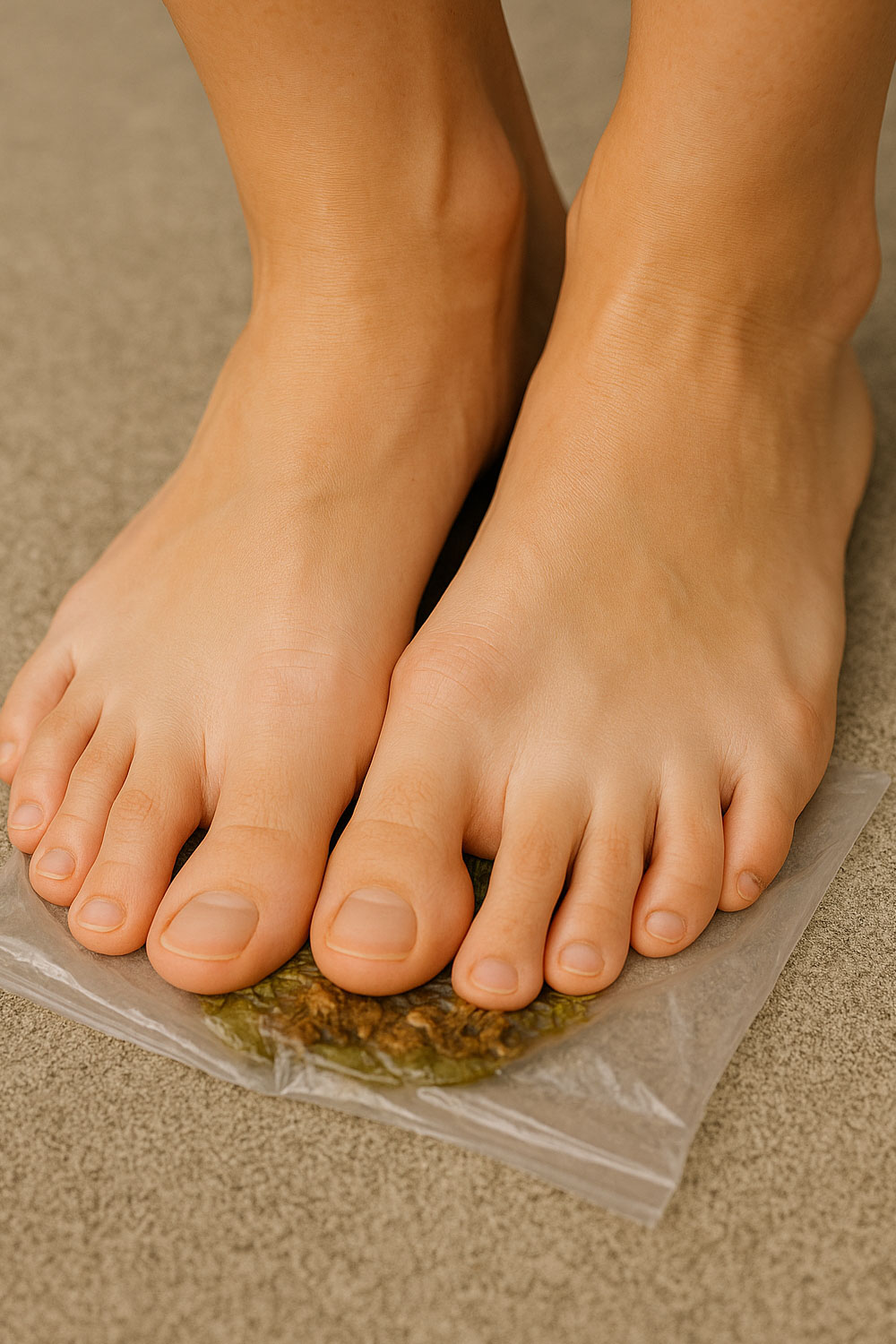
If you are alone and extremely squeamish, it helps to slow the moment down rather than rush it. Give yourself time to settle first. Stand barefoot briefly and let the warmth of the ground steady you before doing anything else. Prepare the bag in advance so the process feels like one contained action, not a chain of small decisions. Remind yourself that this method is quick, humane, and fully within your control. For most people, the discomfort drops sharply after the first time, because the fear comes from uncertainty rather than the act itself. Once the unknown becomes familiar, it feels manageable rather than overwhelming.
If the direct approach still feels confronting, adding a simple buffer can make a meaningful difference. Some people find it easier to add a few small sprigs with leaves into the bag beforehand. The sensation of them crushing beneath the soles of your feet provides a mild distraction and helps reduce focus on what else is inside, allowing the moment to pass more comfortably without drawing it out.
Alternatively, placing the sealed bag inside a small carton creates psychological distance and reframes the action as something closer to routine recycling. It feels less like pest control and more like crushing an everyday box. After the initial crush, use both feet to fold and compress the carton repeatedly until it becomes a compact pad. Dispose of the entire bundle in the general waste bin rather than recycling, so there is no chance of someone later handling it under the assumption it is clean cardboard.
It can also help to do this close to the bin. Once finished, keep your feet positioned on the bag so it remains out of view. Reach down to pick it up while looking away, then place it straight into the bin. That way, the only thing you see is the tops of your own feet, not the contents of the bag.
When Two Insects Need to Be Handled Together
It is better to leave paired insects exactly as they are and enclose them together in one bag. The moment can feel more confronting and more emotionally complex. Yet from an ethical standpoint the principle does not change. Capturing them together inside the same containment bag and treading them as a pair is entirely acceptable and, in many cases, more humane. It avoids the risk of separating them and injuring one while the other escapes, and it ensures both experience the same single, controlled, instantaneous event rather than two drawn-out moments. A unified step is kinder than handling them individually and extending the process.
If the Insect Moves Inside the Bag
Some insects remain still once enclosed, while others may shift or startle inside the bag, especially more reactive species like locusts. For squeamish people, this brief movement can feel like the hardest moment of the entire process. The important thing to remember is that the bag prevents any unpredictable contact and keeps you fully in control. A slight rustle or jump can be surprising, but it doesn’t change the overall method or the outcome.
When this happens, pause for a breath rather than rushing. Let your footing settle, regain your sense of balance and approach the moment as calmly as you can. The bag ensures the insect cannot escape or come near your skin, and once you proceed, the movement will stop instantly once pressure is applied. Remaining calm through this stage helps ensure the moment is handled cleanly, quickly and with full control.
You might also like




Disclaimer: Every effort has been made to ensure the accuracy of the information provided, but we make no guarantees regarding its completeness or reliability. The data is presented for general informational purposes only and does not constitute financial, investment, or legal advice. We are not liable for any errors, omissions, or consequences arising from its use. Users should verify details with relevant sources and seek professional advice where appropriate for the most accurate and up-to-date guidance.