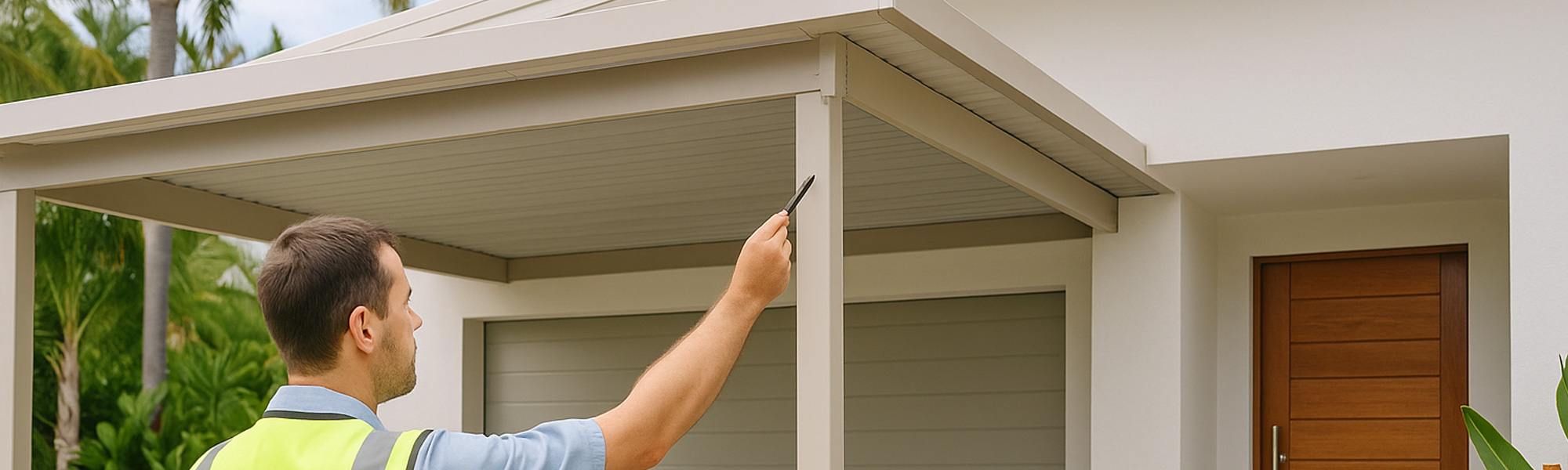
Before the For Sale sign goes up, one question often lingers in the background: does everything on this property have the right approvals? From decks and carports to granny flats and pools, a large number of additions need the council's tick before they can be lawfully sold or even marketed as part of the property.
On the Gold Coast and across Queensland, most sellers aren't trying to skirt the rules - they simply don't realise how many changes over the years may have required formal approval. Understanding where those lines are drawn can help sellers avoid unpleasant surprises and keep their contract process running smoothly.
This article provides general information only and is not legal advice. Regulations differ between councils, and individual circumstances vary. Always seek independent advice from your solicitor, local council, or a licensed building certifier before making decisions about approvals or disclosure.
Why Approvals Matter
When a property is sold, the buyer usually expects that all structures are approved and compliant with the local planning scheme and building laws. If unapproved additions or modifications - such as a patio, shed, or internal wall - turn up in the searches, they can cause issues for the sale, from contract delays to reduced buyer confidence or further negotiation.
Council approvals aren't about bureaucracy for its own sake - they confirm that buildings meet safety and planning standards, and that the property aligns with zoning, setbacks, and services. Without them, buyers may face difficulties with insurance or finance approvals, and unresolved works can sometimes create extra liability concerns down the track.
What Typically Needs Approval
Every Queensland council administers its own planning scheme, but most follow similar principles under the state's Planning Act. Any work that changes the structure of a building, alters its footprint, or affects drainage, fire safety, or neighbouring land is likely to need either a building permit or a development approval.
That can include building extensions, converting garages, adding decks, enclosing patios, or installing secondary dwellings. Pools and pool fencing require certification under Queensland's pool safety standards, and many older homes still need to register pool barriers or replace non-compliant gates.
Even cosmetic works - such as changing roof materials or replacing windows - can fall under approval requirements if the home is in a heritage overlay or flood-affected area.
Properties located in flood, bushfire, or neighbourhood character overlay zones can face extra layers of approval or assessment, even for relatively simple works, so it's worth checking before you list.
The list of works that may need approval is extensive, and requirements can vary between councils. The safest approach is simple: if you're unsure, check with your local council or a licensed building certifier before listing.
Seller Disclosure Statements
Under Queensland's Property Law Act 2023, sellers are required to provide a standard Seller Disclosure Statement to buyers before a contract is signed. This statement brings together key information about the property - including building approvals, council notices, and any encumbrances recorded by the local authority.
The disclosure rules are designed to make property transactions clearer and more transparent. Sellers must declare any missing approvals or unresolved notices before the buyer commits to the purchase. Preparing these details early helps prevent contract delays and gives buyers confidence that the property's records are complete and accurate.
How to Check Your Property's Approvals
The simplest starting point is your local council. Most Queensland councils offer property searches that show approved building plans, permits, and final inspection records. A private building certifier can also assist, reviewing whether older works were approved and, if not, whether retrospective certification is possible.
If you suspect something might not have been signed off - say, a deck added years ago - your solicitor can arrange council searches or liaise with a building certifier to confirm what approvals are on record. Having the right paperwork ready at contract stage makes your home more attractive and gives buyers confidence.
What if Something Isn't Approved
Unapproved works are more common than most people realise. They don't necessarily stop a sale, but they do need to be handled properly. Some can be regularised through retrospective approval, provided the structure meets safety and building standards. Others may need to be disclosed as part of the sale.
The best approach is transparency. Let your agent and solicitor know what you've discovered. In most cases, honesty leads to straightforward solutions and avoids surprises that could derail a deal at settlement.
Who to Talk To
Because approval and disclosure rules vary from council to council, it's best to get advice from the right professionals early. Your solicitor can explain what must be disclosed and how to word it in your contract. Your local council or private certifier can confirm what approvals exist and what's needed.
Your agent can guide you on timing and presentation, helping you show buyers that everything about your home is above board - and if something needs sorting out, that it's already in progress.
Getting your approvals in order before selling isn't just about compliance - it's about confidence. It reassures buyers, supports your price, and keeps the process stress-free. A few checks now can save weeks later and protect what's often your biggest asset.
You might also like




Disclaimer: Every effort has been made to ensure the accuracy of the information provided, but we make no guarantees regarding its completeness or reliability. The data is presented for general informational purposes only and does not constitute financial, investment, or legal advice. We are not liable for any errors, omissions, or consequences arising from its use. Users should verify details with relevant sources and seek professional advice where appropriate for the most accurate and up-to-date guidance.