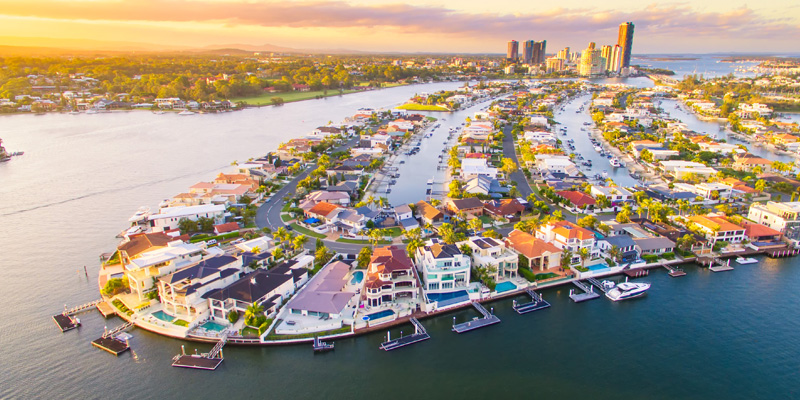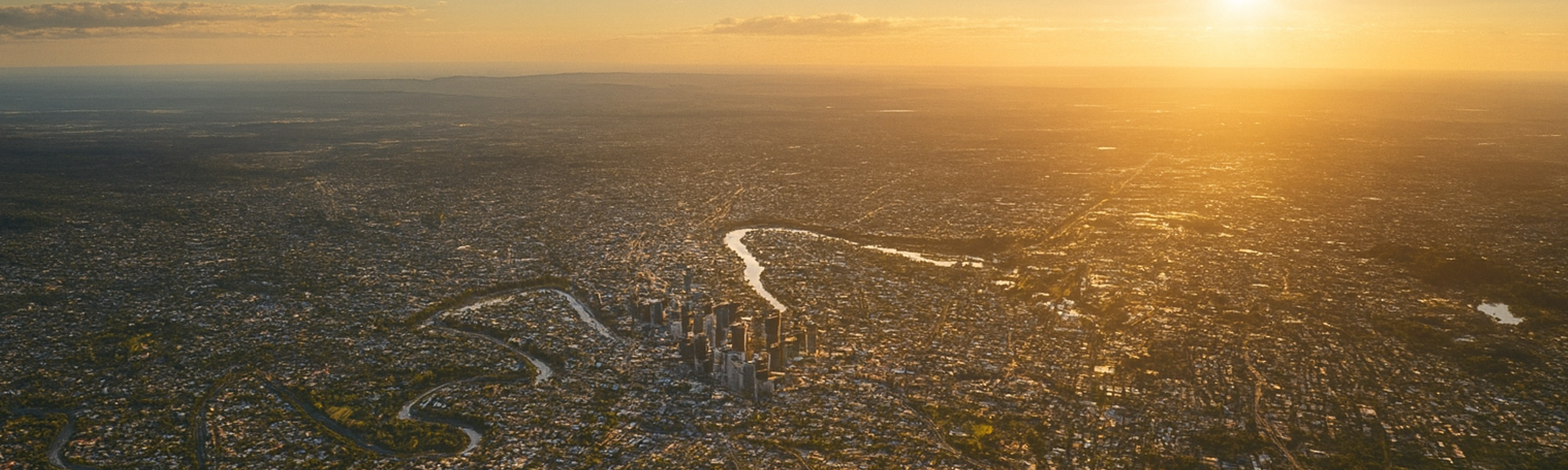
When the world arrives for the Brisbane 2032 Olympic and Paralympic Games, South-East Queensland will be the stage. From Brisbane's stadium skyline to the Gold Coast's beaches, the event will do more than host athletes and spectators - it will reshape how the region looks, builds, and values property for years beyond the closing ceremony.
The last time Australia held the Games, Sydney gained international prestige and a burst of confidence that lingered long after the flame went out. Brisbane's turn comes in a very different era - one shaped by hybrid work, coastal migration, climate-smart building, and a housing market already straining under demand. Against that backdrop, the Olympics become less about spectacle and more about structure: how the region grows, connects, and presents itself to the world.
This article provides general information and commentary only. It is not financial or investment advice, and readers should seek independent professional guidance before making any property or financial decisions. Plans, projects, and timelines mentioned are based on publicly available information at the time of writing and may change as government priorities, budgets, and planning frameworks evolve in the lead-up to the Brisbane 2032 Olympic and Paralympic Games.
The Global Spotlight
For a few shining weeks in 2032, Brisbane will sit at the centre of international attention. Billions of eyes will tune in, and millions will start searching online for where exactly those turquoise waterways and tropical skylines are. This kind of exposure cannot be bought - it's the sort that changes perception. Brisbane, once the quietly confident capital between Sydney and the Gold Coast, will suddenly be a name spoken by travel agents, investors, and families abroad.
That attention filters naturally south. The Gold Coast, already a familiar postcard to many, becomes the co-host that embodies lifestyle as much as sport. Its stadiums, beaches, and canal suburbs will feature in coverage that reinforces what locals already know - that this is a place defined by leisure, light, and liveability.
The ripple effect of that visibility is subtle but powerful. Tourism often surges, yes, but the deeper shift lies in perception. A region that once seemed peripheral now feels globally central, and that shift tends to attract talent, migration, and business.
Infrastructure as the Real Legacy
Every Olympic city tells two stories: the one played out on television, and the one built quietly in concrete and steel. Brisbane's preparation has already begun reshaping transport corridors, cycling networks, bridges, and civic spaces. The investment stretches from the inner city to the coast, building an arc of connected growth zones that will influence where people choose to live and how they move.
For the Gold Coast, the benefits are as much about refinement as reinvention. Upgraded sporting facilities, expanded public spaces, and new transit links add polish to what was already a well-known brand. Each project adds a layer of long-term livability - the small details that make a suburb feel better connected, safer, and more valuable.
This is the true value driver. A global event may last a fortnight, but infrastructure lasts decades. Better rail access, safer active-transport routes, and revitalised precincts lift the entire property ecosystem. The suburbs that sit near these upgraded nodes are already beginning to draw attention from early movers who understand how Olympic momentum tends to work.
The Athletes' Villages and What Comes After
Every Games needs a place for athletes to sleep - and every host city needs more housing. The Brisbane 2032 plan attempts to solve both at once. Purpose-built villages will later be converted into mixed-use residential communities, adding thousands of new dwellings across multiple sites.
Northshore Hamilton in Brisbane is already earmarked for this transformation, designed to evolve from accommodation into a lively waterfront precinct of homes, cafes, and open space. Similar legacies are planned for other parts of the region, including the Gold Coast, where the Robina precinct is expected to see new housing and community infrastructure emerge from the Games footprint.
For buyers, this kind of post-event reuse has tangible implications. It brings new stock to established areas, often at higher design standards and with ready-made amenities. It also broadens the demographic mix - introducing student housing, build-to-rent, aged care, and affordable homes in places once dominated by single ownership models.
Confidence, Momentum, and the Price Question
Inevitably, the question turns to prices. Does an Olympics lift the property market? History suggests the answer is complicated. In the years leading up to the event, confidence tends to rise. Builders secure work, employment grows, and local economies hum with preparation. Buyers respond to that optimism, and premium suburbs with direct benefits - new stations, green corridors, or upgraded access - often see early price momentum.
Yet the Olympic effect isn't automatic. Once the fanfare fades, the properties that hold their value best are those tied to lasting improvements, not temporary excitement. That's why infrastructure and quality planning matter far more than hype. The 2032 Games will likely accelerate existing trends rather than create new ones - intensifying demand in desirable, well-connected suburbs rather than lifting every postcode at once.
The Regional Halo
For the Gold Coast, the halo could be particularly strong. As a co-host city, it gains both exposure and investment without bearing the full cost of new stadium builds. Its beaches, waterways, and skyline will appear in global broadcasts that highlight not just sport but setting. This kind of imagery has a way of staying with people - an impression of sunshine, space, and easy access that draws both domestic and international interest.
Developers will likely respond by refining their projects toward that audience - more sustainable design, stronger architectural identity, and lifestyle-led master planning. Local buyers, meanwhile, will continue to compete with interstate and overseas interest seeking a foothold before the Games.
Suburbs close to upgraded facilities or transit links may become the quiet winners. Locations near Robina, Carrara, and surrounding transport corridors stand to gain from long-term improvements that will make everyday life easier well after the event.
Construction, Capacity, and Reality Checks
Of course, momentum brings pressure. Builders already face tight labour markets and high material costs. Large government projects can draw resources away from private development, pushing up costs for smaller builders and lengthening timelines. Planning frameworks may shift as councils fast-track Olympic-related work, occasionally disrupting existing approval paths.
That means anyone developing or renovating through this decade needs to plan around the wider construction cycle. It's also a reminder that the Games will create short-term peaks in demand for trades and housing, followed by gradual normalisation as projects settle. The opportunities are real, but timing and preparation will separate advantage from frustration.
Building the Dream: The Coming Demand in Construction
Behind every new venue, village, and transport line lies the machinery of the construction industry - and over the next decade, it will be pushed harder than at any time in Queensland's history. The scale of preparation for Brisbane 2032 rivals an entire generation of infrastructure planning compressed into a few short years. Stadium upgrades, light-rail extensions, bridges, housing, and hospitality builds are all competing for the same materials, contractors, and trades.
Already, the pressure is visible. Builders report longer lead times for everything from structural steel to concrete pours, and skilled labour is being booked months in advance. Electricians, plumbers, tilers, roofers, and site managers are in constant rotation across government and private projects. With so many large contracts under way, smaller residential developers and renovators are finding that the calendar - not just the budget - has become their biggest constraint.
The next few years will see record demand for apprenticeships, project managers, and sustainable building specialists as both state and private sectors try to meet schedules without compromising quality. Training programs are expanding, but attracting and retaining skilled trades remains a challenge, especially in coastal areas where lifestyle demand and housing costs can make long-term staffing difficult.
Material supply is another key front. Timber and concrete are the backbone of residential construction, but logistics, transport costs, and global demand can shift prices dramatically. Smart builders are already securing forward contracts or diversifying suppliers to smooth delivery through the middle of the decade.
The upside is that this surge brings innovation. Prefabrication, modular construction, and locally sourced materials are moving from fringe concepts to mainstream necessity. Projects that integrate solar, passive cooling, and low-carbon materials are now being fast-tracked to meet both sustainability targets and the region's environmental expectations ahead of the Games.
For homeowners and investors, the message is clear: building in South-East Queensland during the Olympic decade will require patience, planning, and good partnerships. The competition for trades will remain intense, but the skills and infrastructure developed through this period will leave a lasting legacy - a stronger, smarter construction industry capable of sustaining the region's growth well beyond 2032.
A Turning Point in Identity
Beyond economics, the Olympics have the potential to redefine how Brisbane and the Gold Coast see themselves. For decades, the region has carried a quiet duality - one part sun-belt relaxation, one part emerging business hub. By 2032, those two faces will merge into a confident, global-ready identity.
That matters deeply for property because identity fuels demand. Cities that project stability, culture, and climate advantage attract both investment and residents. The lead-up to the Games will likely inspire architectural ambition, encourage greener building standards, and accelerate urban renewal in places long overdue for attention. The visual standard will lift, and with it, the sense that living here is part of something world-class.
Long After the Flame
The real legacy of any Olympics is what remains when the athletes have gone home. For South-East Queensland, it will be new transport lines, revitalised precincts, expanded housing, and a reinforced reputation for liveability. That combination will continue to shape property choices for decades.
The Gold Coast, in particular, stands to crystallise its role as both playground and powerhouse - a coastal city with global recognition and infrastructure to match. From Coolangatta to Coomera, the flow-on benefits will vary, but the overarching story is the same: improved amenity, stronger connectivity, and heightened appeal.
When buyers look back a decade from now, many will see the lead-up to Brisbane 2032 as the moment the region fully stepped onto the world stage - not just as a host of games, but as a confident, connected, and mature property market.
This is a journalist article published for informational and editorial purposes. It is not affiliated with, endorsed by, or sponsored by the International Olympic Committee, the Brisbane 2032 Organising Committee, or any government agency. All references to "Brisbane 2032" and the Olympic Games are made in a descriptive, editorial context only.
You might also like




Disclaimer: Every effort has been made to ensure the accuracy of the information provided, but we make no guarantees regarding its completeness or reliability. The data is presented for general informational purposes only and does not constitute financial, investment, or legal advice. We are not liable for any errors, omissions, or consequences arising from its use. Users should verify details with relevant sources and seek professional advice where appropriate for the most accurate and up-to-date guidance.