
Family Chores
Family Chores Series
The Family Chores Series helps parents encourage their teenagers to take part in everyday household life - turning reminders into rhythm and chores into shared habits. Each guide focuses on simple, practical jobs that build independence, confidence and pride in doing things well, whether it's recycling properly, managing dishes, or keeping shared spaces tidy.

Every parent hopes to see this one day - their teenager taking initiative without being asked.
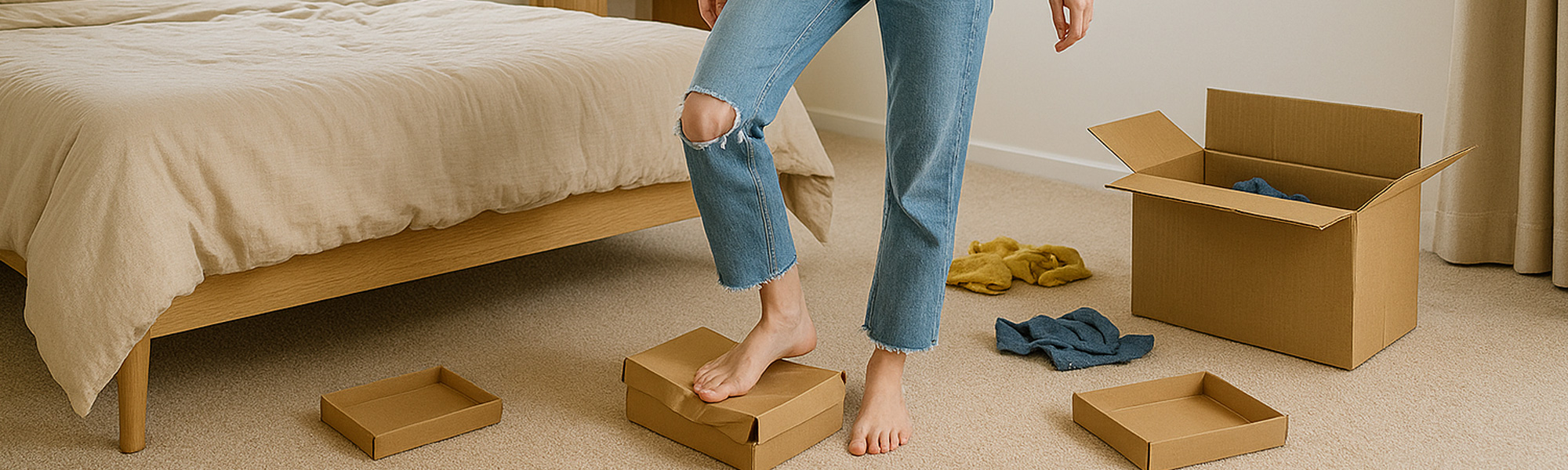
A teenage daughter walks into her room, looks at the clothes and towels on the floor, and calmly starts picking things up without being asked. She folds what's clean, drops the rest in the laundry, smooths her doona, and opens the window to let the breeze in. It's simple, unhurried, and exactly the kind of quiet moment every parent hopes to see one day.
Room cleanup is one of the biggest emotional hurdles for both parents and teenagers, simply because a bedroom holds such personal energy. It's their retreat, their identity, their storage zone, their mess, and sometimes their sanctuary. Learning to take care of it is an essential part of growing up, and one of the clearest signs that a teenager is transitioning into someone who can manage their own world.
Why Bedroom Cleanup Matters More Than Parents Realise
Every parent knows the feeling of walking past a teenager's room and catching sight of a floor that has temporarily disappeared under clothing, towels, schoolwork, makeup wipes, and the occasional half-buried beach bag. On the Gold Coast this often includes sand shaken from socks after sports, damp swimmers tossed across a chair after an evening swim, and the cooling breeze from an open window pushing everything lightly out of place. Teenagers live fast and intuitively, and their room often becomes a reflection of that pace.
But a messy room has a quiet cost that teenagers usually don't recognise until someone helps them reset it. It weighs on them, clutters their thinking, and makes the simplest daily tasks slower. Teaching room cleanup isn't about creating show homes; it's about giving them the kind of space where they can breathe, reset, and feel capable. A tidy room becomes emotional ballast, helping them move through school weeks, social pressures, routines, and responsibilities with more ease.
The First Step: Seeing the Room Clearly
Teenagers rarely begin cleaning because someone tells them to. More often, the shift starts with a moment of clarity when they stop in the doorway and actually look at the room rather than glance past it. Bare feet on the carpet, they notice the heaviness of the mess and feel a flicker of motivation to change it. Parents can gently encourage this moment by keeping the tone calm, steady, and matter-of-fact. No frustration, no commentary, just a reminder that their room needs attention and that it's time to bring it back into shape.
That doorway moment is powerful. A teenager stands on the threshold, taking in the small chaos they've built around themselves. When they decide to start, the room slowly shifts from something overwhelming into something they're actively shaping. That sense of ownership is what matters most.
Helping Them Start Without Taking Over
Many parents unintentionally sabotage room cleanup by diving in too quickly or doing the work themselves. It comes from kindness, but it steals the teenager's chance to develop capability. What works far better is a soft, supportive handover. If their room has reached that stage where it's emotionally impossible to start, offering to spend the first two minutes with them is often all they need. You pick up a single item, place it where it belongs, and then step away. That tiny jump-start breaks the inertia and hands the project back to them.
Teenagers respond to trust. When you leave them to it, they feel respected, not micromanaged. And when they finish, they feel the kind of pride that comes from doing something on their own, even if they didn't love every moment of it.
The Rhythm of Tidying: Letting It Become a Habit
Room cleanup becomes easier once it becomes rhythmic. Teenagers naturally build routines when they repeat tasks without tension. A teenager walks out of the shower and, instead of dropping a damp towel on the carpet, takes it straight to the laundry without thinking. They come home from school, slip off their shoes at the door, drop their bag on its hook, and tidy the clothes on their floor in one smooth loop. None of this comes from lectures; it comes from repetition and a home environment where small resets are normal.
On the Gold Coast, where life flows between outdoor activities, school commitments, and casual beach culture, this rhythm matters. Rooms tend to collect the residue of busy days, and helping teenagers see cleanup as part of unwinding teaches them that tidiness isn't a punishment but a way to make life easier.
Teaching Them to Notice the Details
One of the biggest growth moments in any teenager's cleanup journey is when they begin noticing details without being prompted. They see dust collecting on a side table. They straighten their doona because it makes the room feel calmer. They gather cups and plates, rinse them properly, and return with a fresh glass of water. They collect socks from behind the door because they simply want the space to feel lighter.
These tiny observations signal maturity. They show your teenager is starting to understand that a room shapes their mood and mindset. When they learn this for themselves, cleanup stops being a chore and becomes part of taking care of their own wellbeing.
When Mess Signals Something Deeper
There are moments when a messy room isn't just a messy room. Overwhelm, stress, exhaustion, and emotional weight can all manifest as clutter. If your teenager suddenly loses control of their space, the best response is soft curiosity, not criticism. You can ask how they're feeling, check whether schoolwork has piled up, or simply sit with them for a moment before suggesting a reset. Sometimes helping them pick up the first shirt is all it takes to lift the emotional fog.
Room cleanup isn't just practical; it's a chance to check in on their inner world.
The Quiet Satisfaction After the Reset
There is a particular quiet that settles over a bedroom once it's clean. Sunlight hits the floor instead of being blocked by clothes. The air feels lighter. Teenagers feel the difference instantly, even if they don't say it. They sleep more deeply, find their things more easily, and move through their days with less chaos. This is why parents keep encouraging cleanup - not to enforce rules but to help teenagers experience a space that supports them instead of draining them.
When a parent walks past later and sees that the floor is clear, the doona is smoothed, and the whole room feels settled, it creates a small, warm moment of pride. It's a snapshot of the teenager becoming someone who can manage themselves without being asked.
Letting Cleanup Become Their Own Achievement
Over time, teenagers begin tidying their rooms simply because it feels better. They slip the window open to let the afternoon breeze in. They gather items from the floor as they walk past. They put things away after using them because it saves them effort later. The room becomes an extension of their maturity rather than a battleground.
The real goal is to help them reach a point where room cleanup stops being a chore and becomes an act of self respect.
You might also like





Disclaimer: Every effort has been made to ensure the accuracy of the information provided, but we make no guarantees regarding its completeness or reliability. The data is presented for general informational purposes only and does not constitute financial, investment, or legal advice. We are not liable for any errors, omissions, or consequences arising from its use. Users should verify details with relevant sources and seek professional advice where appropriate for the most accurate and up-to-date guidance.