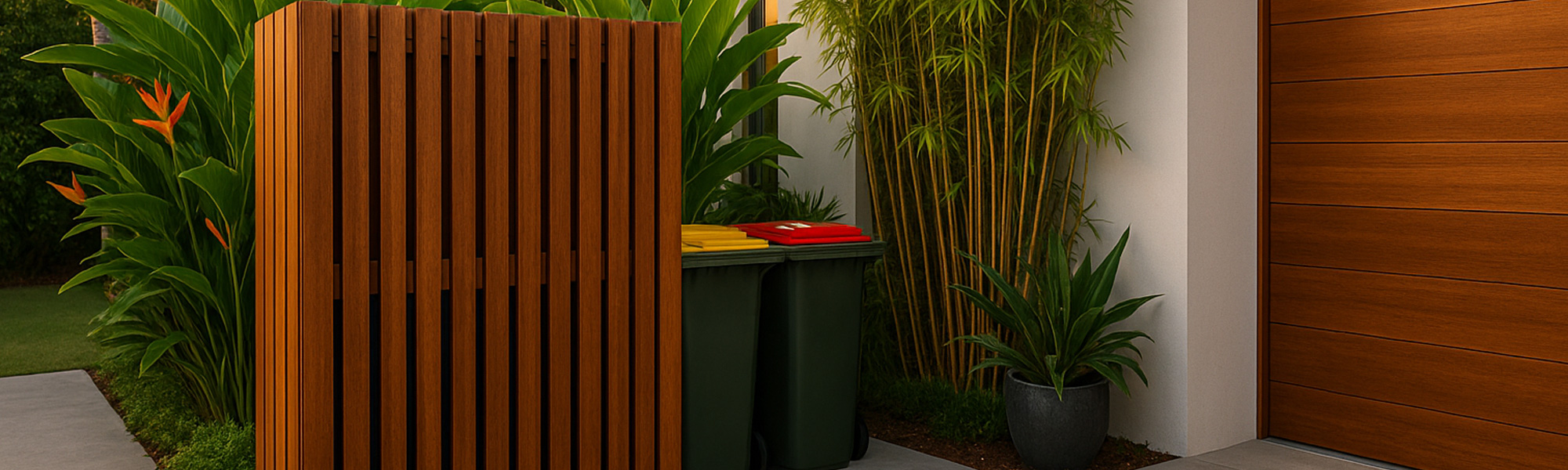
It's one of the most overlooked spaces in any home - but a well-planned outdoor bin area makes everyday life easier, saves time, and quietly lifts the impression of the entire property.
When buyers see a clean, practical, well-designed bin space, they think: if the bin area looks this good, imagine how the rest of the house is cared for. It's a small detail that signals bigger standards.
Designing With Practical Use in Mind
Start by thinking about how your family actually uses the area. Where do rubbish bags leave the kitchen? How easy will it be to roll bins to the kerb? Which direction does rain blow from? These simple details shape a space that works with you, not against you.
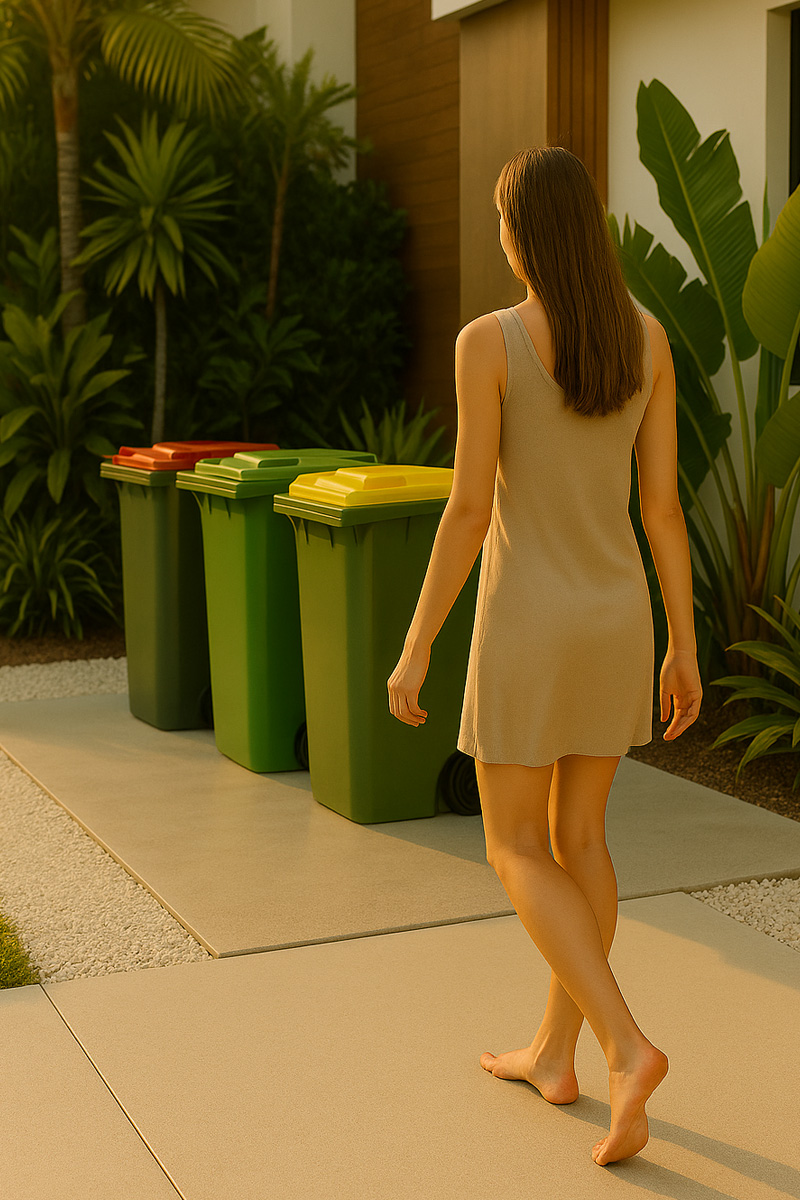
A clear path from the nearest door to the bins makes all the difference. Use solid, non-slip materials like concrete, pavers or stone so the route stays clean and comfortable underfoot even during rain. The more effortless it feels, the more naturally everyone keeps things tidy.
A Solid Base That Does More
A hard, level surface under the bins is essential for both hygiene and function. Concrete or exposed aggregate cleans easily and keeps wheels rolling smoothly.
But the surrounding surfaces don't have to be hard. Different textures can add subtle practicality. They look like ordinary landscaping choices at first glance, but actually have strategic design built in!
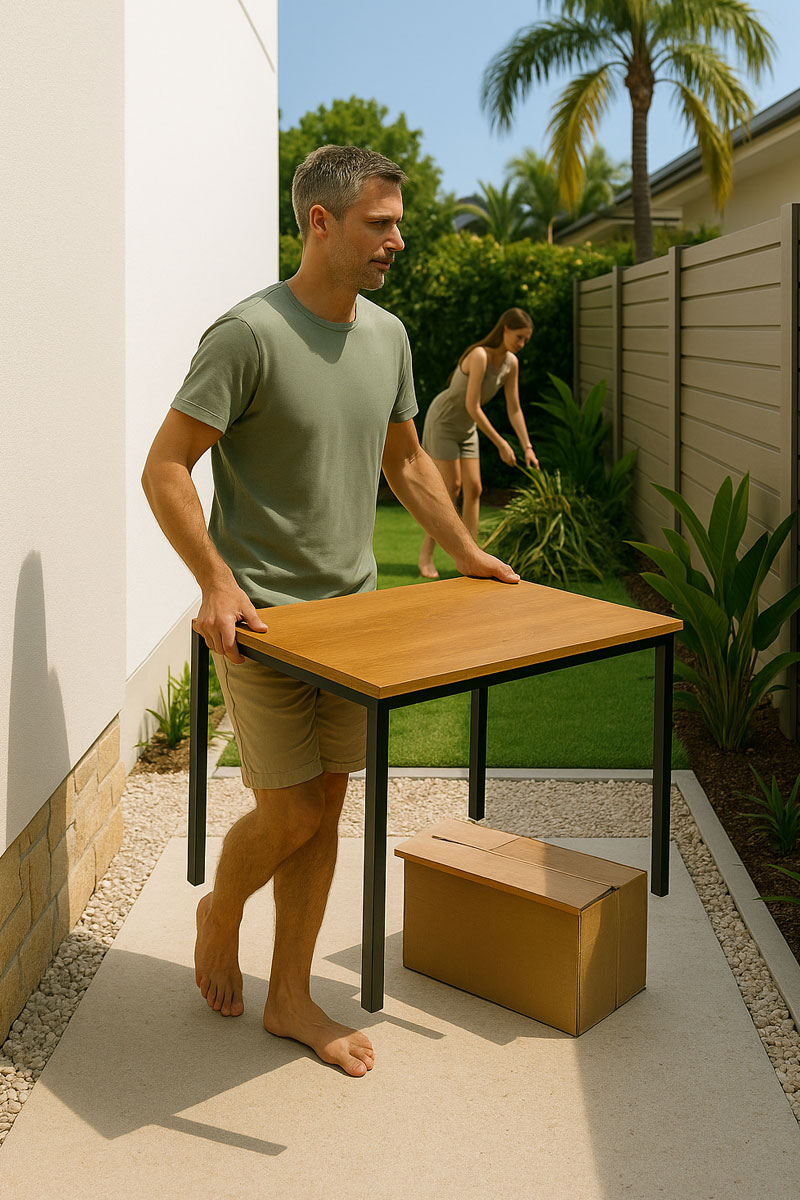
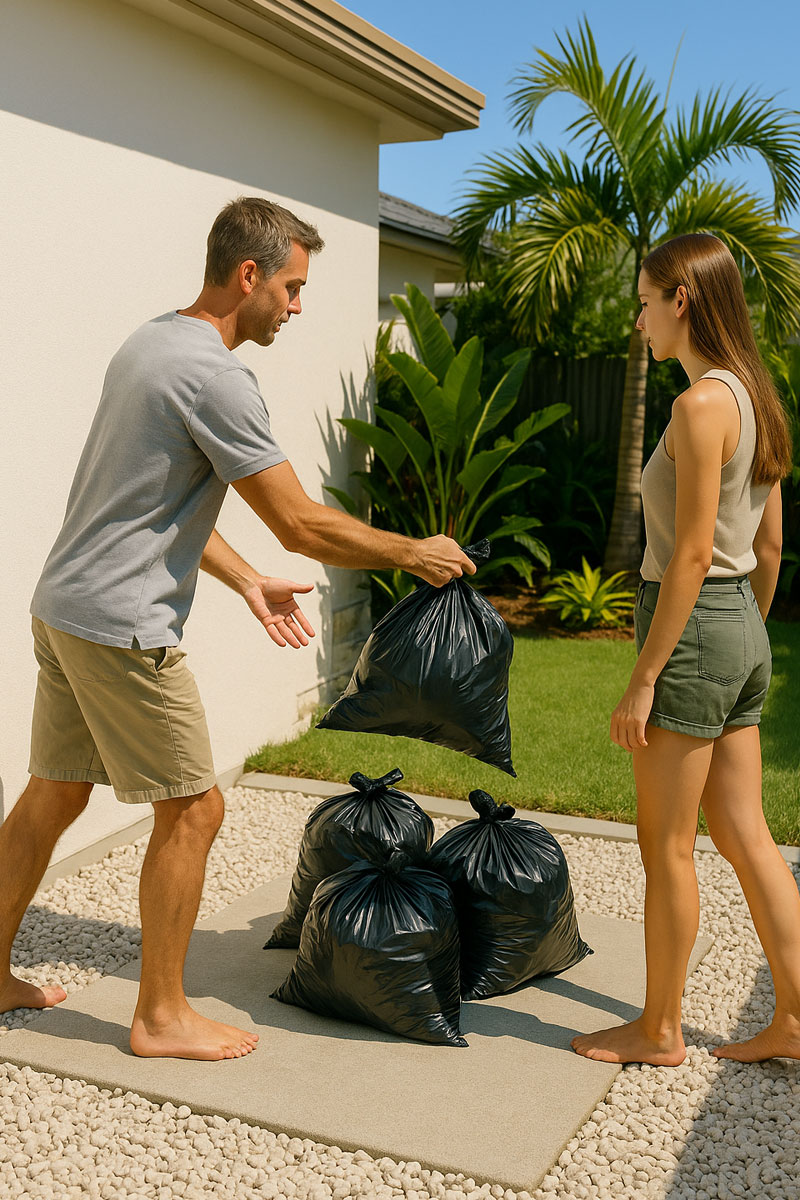
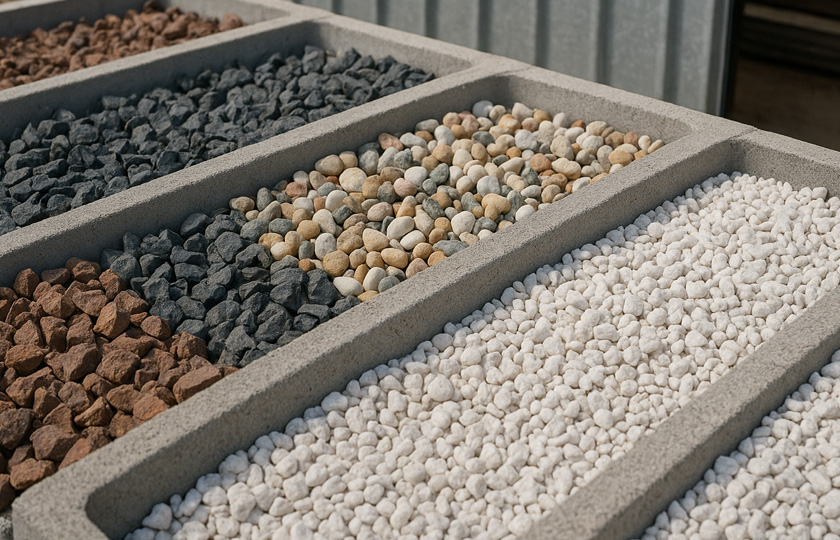
Gravel gives just the right bit of grip and resistance to stop awkward items from slipping as you crush or break them down for disposal. When crushing boxes, it also helps soften the cardboard from below while your weight presses from above.
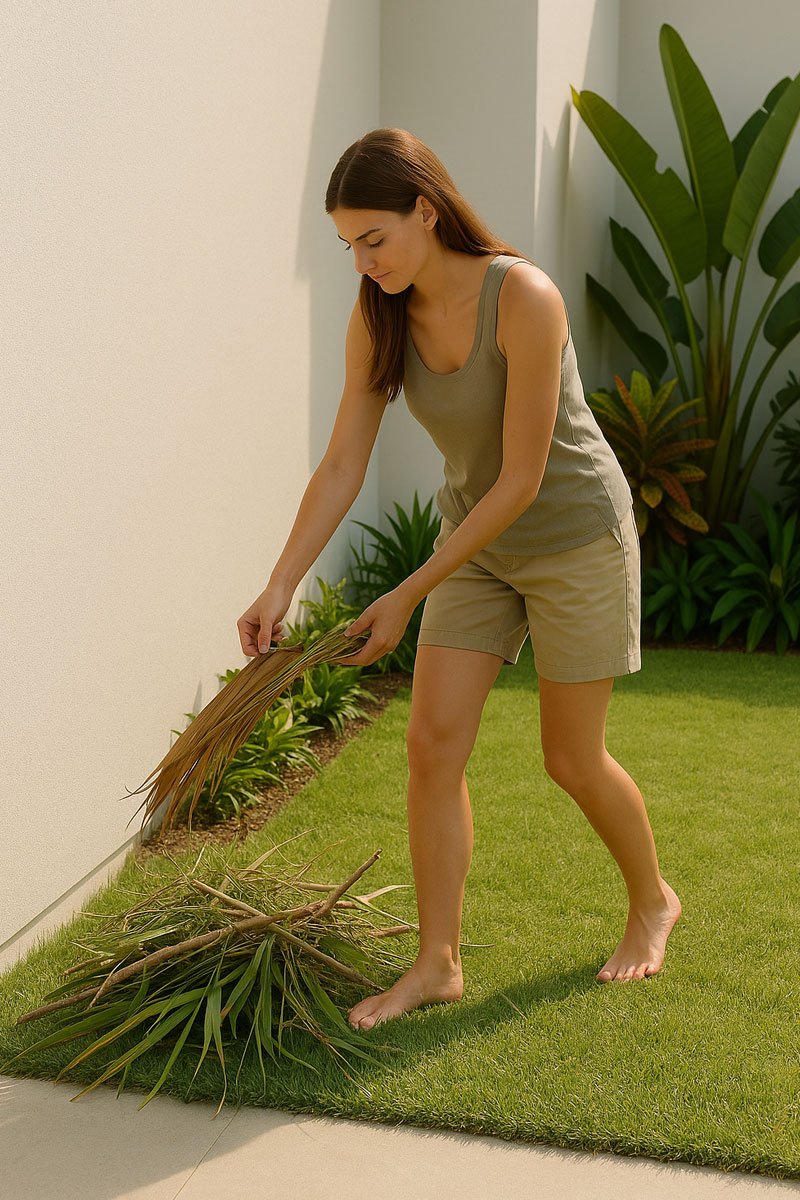
Grass can be useful as a temporary soft area for bending or cutting branches down to size before they go into green waste. It also feels comfortable underfoot while you're doing larger recycling jobs.
The key is combining solid, washable surfaces for access and bin storage with textured ground nearby for occasional disposal work.
Screening, Space and Aesthetics
If the area is visible from outdoor living zones or windows, it deserves to look intentional. Screening doesn't just hide bins - it turns a purely functional corner into part of the landscape.
Timber slat screens match decks and fences beautifully, while powder-coated metal panels suit more modern homes. Dense tropical planting - like ginger, heliconia, or clumping bamboo - can create a green backdrop that hides the bins while keeping the air fresh.
Make sure the space accommodates all three council bins - red for waste, yellow for recycling, and lime-green for garden organics - with room to move them comfortably. If space allows, future-proof it with a fourth position. It's surprisingly useful even now: overflow items, crushed boxes, or bulky rubbish can sit there temporarily when bins are full, without cluttering paths or lawns. For buyers, it also signals foresight and flexibility - a house designed for the way families actually live.
Roofs, Shade and Ventilation
The Gold Coast's heat and humidity make airflow essential. A small pergola, awning, or louvered roof helps protect the area from downpours while preventing odours from building up in summer.
If you add a roof, make sure the sides breathe. Hot, still air magnifies smells and attracts pests. Open slats, lattice or screened panels let breeze pass through freely.
Lighting and Night Use
Motion-sensor lighting turns a dark, forgotten corner into a safe, usable space after sunset. A soft, warm-white LED creates an inviting glow without harsh glare into neighbouring yards.
Solar lights can work well if the area gets good daylight, though wired lights give better reliability under tree shade or eaves. A well-lit bin zone also discourages wildlife - especially the curious kinds.
Wildlife and Cleanliness
Bush turkeys, ibis and possums are notorious for raiding bins. Secure lids, latchable screens, and regular cleaning are the best deterrents. If the space is enclosed, make sure any drain or vent is mesh-covered to block small intruders.
Rinse bins regularly with mild detergent and let them air-dry. A few drops of eucalyptus or citrus oil under the lid freshen the smell and discourage flies.
Presentation and Buyer Appeal
Designing a bin area with care sends a subtle message about the entire property. It shows attention to detail, hygiene, and long-term thinking - qualities buyers love to see.
A clean, screened, well-drained bin zone says the home is well managed. It's a quiet confidence marker that often sits right beside side gates, driveways, or laundry doors - areas buyers pass on the way through an inspection.
Integration and Design Harmony
Treat the bin area as part of the landscape, not an afterthought. Continue the same paving or colour scheme as the rest of the outdoor path. Match timber tones, use consistent hardware, and carry nearby garden themes through the space.
Even small touches - a matching gate latch, a planter box, or a simple outdoor art panel - make the area feel deliberate. When the finishes echo the rest of the home, the bin area stops looking like a utility zone and becomes another layer of smart outdoor design.
Everyday Use and Routine
Think about how the space works during everyday life:
- Is there room to park all bins side by side with lids fully open?
- Can you crush boxes nearby without blocking the path?
- Is there somewhere to store gloves, sprays or liners?
- Can water drain easily when you wash things down?
Good design solves these details. The result is waste that moves effortlessly through the home, with no fuss and no overflow in sight.
Beyond the Bin Area - Secondary Rubbish Spaces
A truly functional home doesn't stop its waste planning at the bin enclosure. Every household generates rubbish and recycling in different corners of daily life - indoors, outdoors and everywhere in between. Designing small, smart "secondary" rubbish spaces keeps things flowing smoothly and stops clutter from building up.
Near the Front Nature Strip
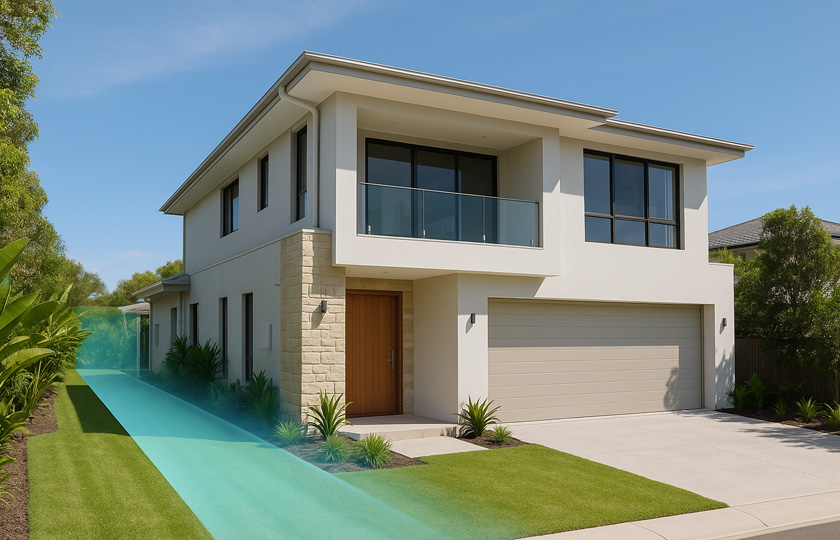
Last-minute boxes or bulky packaging sometimes need to be dealt with once the bins are already out. Keep a flat, grassed section near the verge where boxes can be placed away from traffic and safely trodden down without damaging plants or blocking the footpath. A well-lit spot makes evening clean-ups easier.
Driveways and Drop-Off Points
Driveways are naturally convenient for dealing with large boxes and heavier waste. If space permits, allow for a small flat area near an outdoor tap where boxes can be flattened or wetted down before disposal. A light spray of water softens heavy cardboard, making it easier to stomp and fit into recycling bins. Keeping a hose or reel nearby turns this quick job into a simple part of the weekend tidy-up.
Indoor Crush Zone
Inside the home, a tucked-away area - even a small corner of the laundry, butler's pantry or garage - can serve as an indoor "crush zone." It's a simple drop spot where the family can flatten boxes underfoot and leave them neatly stacked until the next trip outside. This small convenience encourages prompt, responsible recycling rather than letting packaging pile up on benches or floors.
Kitchen Integration
Rubbish and recycling begin in the kitchen, so make disposal part of the design. Integrate pull-out bins beneath benches or near the fridge, positioned at an easy reach for food prep and cleaning. The easier it is to dispose of things properly, the less clutter a household ever sees.
Living Comfortably With It
A good bin area is more than tidy - it's functional, fresh, and designed to suit real living. You'll appreciate it every time you take something out, rinse it down, or roll the bins to the kerb without stepping in mud.
And when guests or buyers notice how well it blends in, that's when you know it's done right. A small corner, beautifully handled, says a lot about the home's overall care.
Choosing Bin Area Surfaces
The surfaces in and around your bin area should match the way you handle different types of waste.
Secondary Spaces to Prepare Recycling
Preparing recyclables doesn't just happen in the kitchen or next to the bins. Create other spaces where you and your family can crush boxes, flatten cartons, and break down bulky packaging with ease.
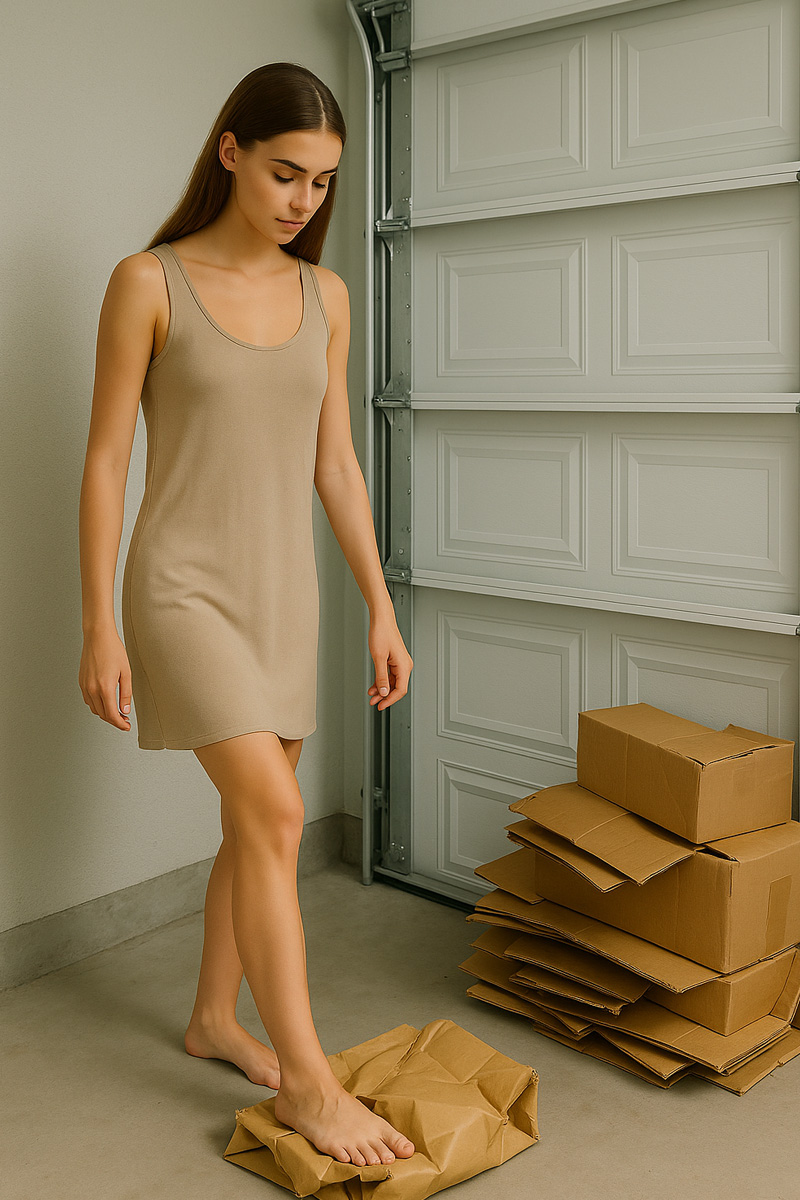
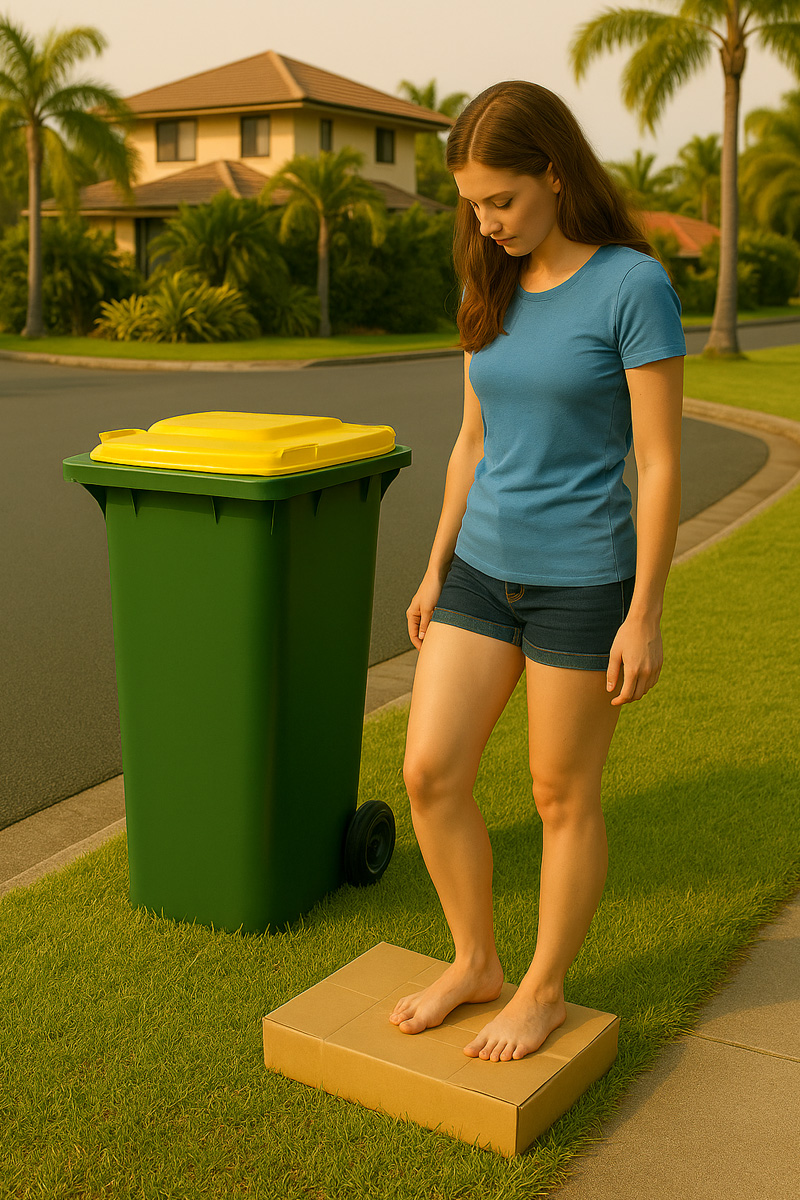
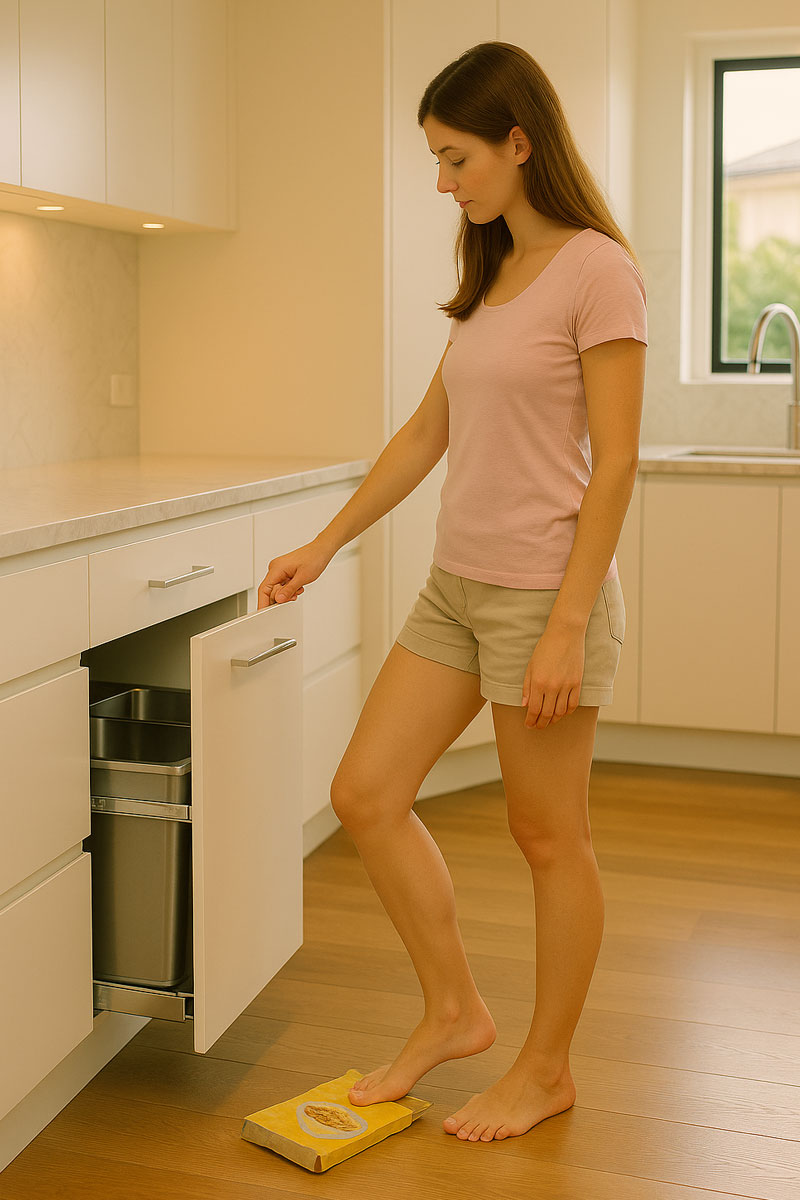
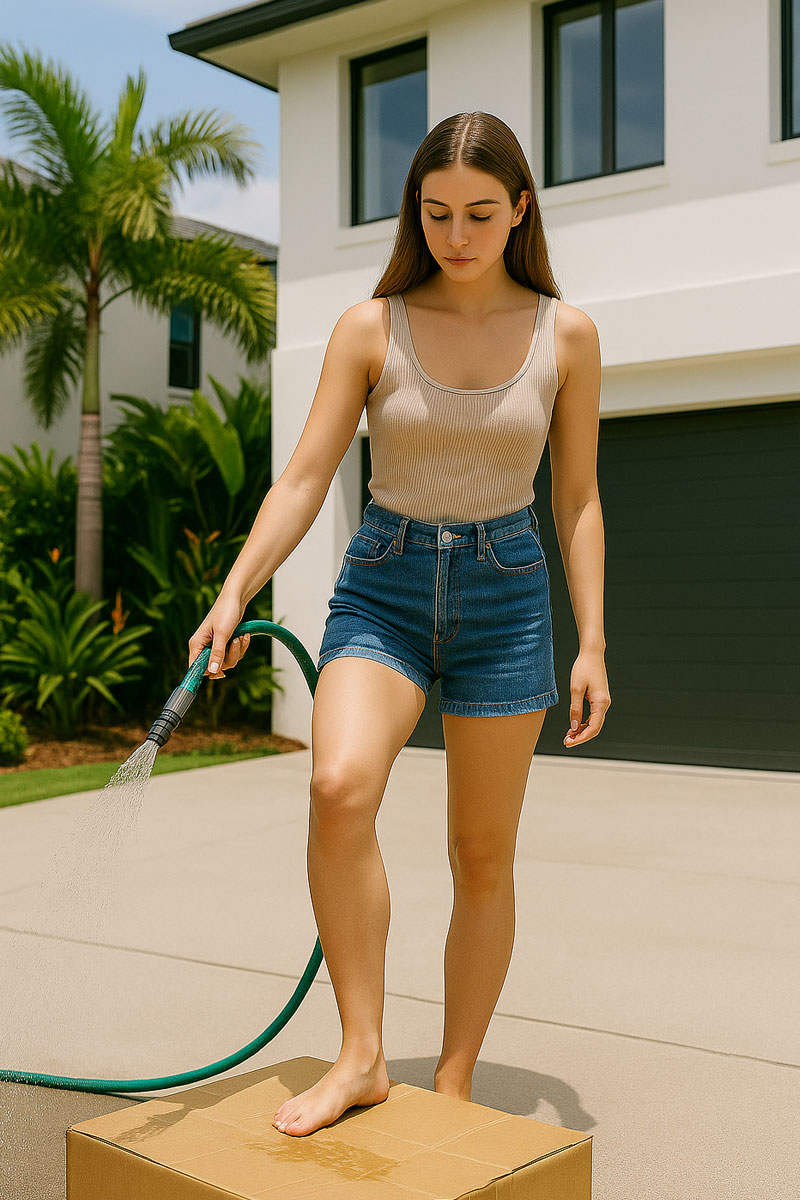
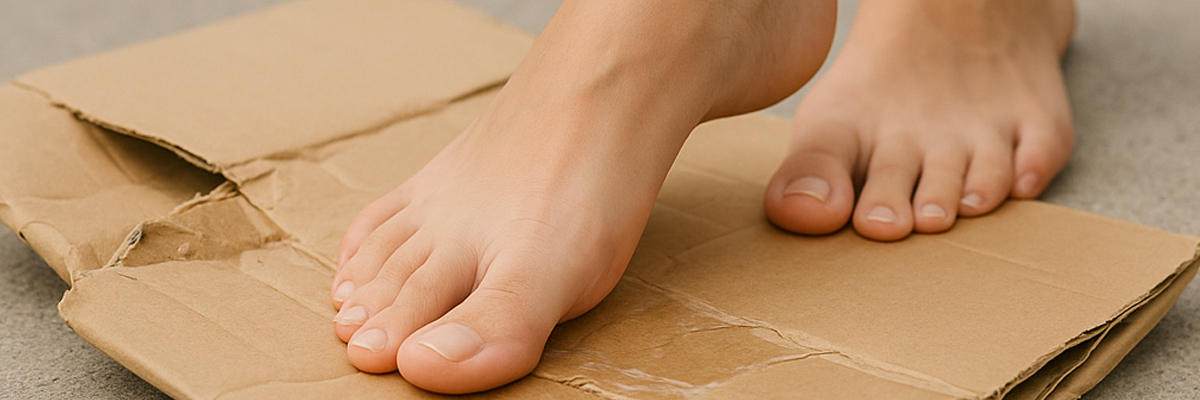
Smart recyclers crush their boxes barefoot. It's faster, softens the cardboard, and makes everything fit better - saving up to 30% more bin space. And people always agree - the feeling of soft cardboard giving way beneath your feet - it's just incredible! A small, guilty pleasure that somehow makes recycling feel good.
Find out How to Properly Crush Your Boxes »
You might also like




Disclaimer: Every effort has been made to ensure the accuracy of the information provided, but we make no guarantees regarding its completeness or reliability. The data is presented for general informational purposes only and does not constitute financial, investment, or legal advice. We are not liable for any errors, omissions, or consequences arising from its use. Users should verify details with relevant sources and seek professional advice where appropriate for the most accurate and up-to-date guidance.