Russell Island Suburb Profile and Insights
Report Date: March 2026
Postcode: 4184
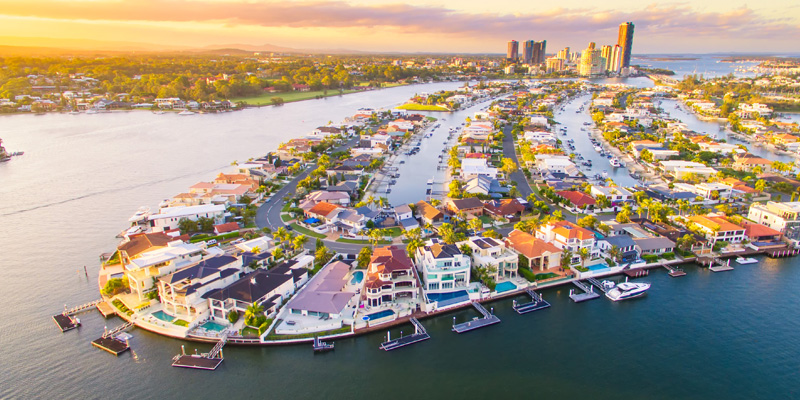
Russell Island is a peaceful and affordable island community in southern Moreton Bay, offering a relaxed lifestyle surrounded by water, wildlife and native vegetation. Quiet streets, bushland pockets and access to calm bay waters define its appeal.
Residents enjoy a strong community spirit and a simple, nature based way of living supported by local facilities and regular ferry services. With its affordability and laid back charm, Russell Island continues to attract buyers seeking a quiet coastal retreat within reach of the mainland.
Russell Island has 9 parks. The predominant age group is 60-69 years.
The area of Russell Island is 30.2 square kilometres. It has a population of approximately 3,698 people.
Suburb Features
 Suburb Type Suburb Type | Urban |
 Suburb Position/Trajectory Suburb Position/Trajectory | Established Residential |
 Lifestyle Category Lifestyle Category | Island Lifestyle |
 Market Maturity Market Maturity | Growth |
 Water Access Water Access | Requires Passenger Ferry/Vehicle Barge/Boat Access |
 Highway Access (Estimated Peak) Highway Access (Estimated Peak) | 80 mins |
| Highway Access (Estimated Off-peak) | 70 mins |
 Average Commute to Gold Coast Airport (Estimated Peak) Average Commute to Gold Coast Airport (Estimated Peak) | 180 mins |
| Average Commute to Gold Coast Airport (Estimated Off-peak) | 115 mins |
| Average Commute to Brisbane CBD (Estimated Peak) | 150 mins |
| Estimated Average Commute to Brisbane CBD (Estimated Off-peak) | 95 mins |
| Average Commute to Surfers Paradise (Estimated Peak) | 170 mins |
| Average Commute to Surfers Paradise (Estimated Off-peak) | 105 mins |
Detailed Insights
Russell Island is a peaceful island community situated within southern Moreton Bay, known for its relaxed pace, affordability, and close connection to the water. Part of the Redland City local government area, it sits between the Gold Coast and Brisbane and forms the largest of the Southern Moreton Bay Islands. With its mangrove-lined foreshores, native bushland, and small-village character, Russell Island offers a simple, nature-based lifestyle that feels far removed from city living.
The island's landscape is shaped by its coastal environment. Quiet roads wind through leafy residential pockets, with glimpses of the bay appearing between the trees. Many properties are surrounded by native vegetation and birdlife, while the waterfront areas provide fishing spots, boat ramps, and picnic reserves. The calm waters around the island are popular for kayaking, boating, and exploring the nearby channels and sandbanks that form part of the protected Moreton Bay Marine Park.
Russell Island's community is friendly, creative, and close-knit. With a mix of long-term locals, retirees, and newcomers seeking a sea-change, the island has developed a strong sense of self-reliance and connection. Local facilities include a small shopping precinct, cafés, a primary school, and community organisations that host regular events, markets, and workshops. Life here moves at a slower, more deliberate rhythm, guided by the tides and seasons.
Housing on Russell Island is diverse and affordable compared with mainland suburbs. The property market includes established homes, new builds, and vacant land suitable for those looking to design their own island retreat. Elevated areas capture water views, while many streets remain quiet and undeveloped, preserving the island's sense of openness. Increasing interest from buyers seeking lifestyle or investment opportunities has led to steady growth while maintaining the island's relaxed feel.
Residents access the mainland via regular passenger and vehicle ferry services, connecting to nearby Redland Bay and the wider transport network. Despite its separation from the mainland, the island provides essential services and a self-contained way of life supported by a strong local community. The absence of large commercial development helps preserve the peaceful, small-town charm that defines Russell Island's identity.
The property market continues to draw attention for its combination of affordability, natural beauty, and potential. It appeals to a wide range of buyers, from retirees and families seeking a slower lifestyle to investors anticipating long-term growth within the southern Moreton Bay region. Land availability remains a key feature, with many buyers attracted to the opportunity to build within a close-knit island community.
Russell Island represents a lifestyle that is simple, calm, and deeply connected to nature. It offers residents a true escape from urban intensity while maintaining a sense of belonging and practicality. For those seeking a coastal retreat with a strong community spirit and the serenity of island life, Russell Island remains one of southeast Queensland's most peaceful and accessible hidden gems.
The island can be accessed by passenger ferry frequently departing from the Redland Bay Ferry Terminal (Weinam Creek Ferry Terminal). Ferries operate under the Translink network. Regular barge services also run for vehicles, but bookings are required in advance.
Lifestyle
Russell Island offers a relaxed island lifestyle that is closely tied to the tides, weather, and surrounding waterways. Residential streets are quiet and leafy, with many homes set among native vegetation and glimpses of the bay between trees. The overall pace is unhurried, and daily life tends to revolve around home projects, gardening, walking, and time spent near the water.
The community is friendly and informal, with neighbours often knowing each other by name. Local markets, community groups, and small gatherings give residents chances to connect, while the island’s compact size means most destinations are only a short drive or walk away. Fishing, boating, and kayaking are popular pastimes, and many residents enjoy simply sitting outside and listening to birdlife.
Russell Island appeals to retirees, remote workers, families, and sea-change buyers looking for an affordable, nature-based lifestyle. The absence of large-scale commercial development helps preserve a village feel that is increasingly rare in coastal regions.
Travel
Travel to and from Russell Island is defined by its ferry links to the mainland. Passenger ferries connect the island with Redland Bay as part of the broader public transport network, while vehicle barges allow residents to move cars, supplies, and larger items as needed. Planning around ferry departures is a normal part of organising work, school, and appointments on the mainland.
On the island itself, travel is straightforward. Roads are generally quiet, and residents use cars, bicycles, and walking for local trips to the shops, school, community facilities, and foreshore parks. The scale of the island keeps journey lengths modest and helps reinforce its calm character.
Boating is also a functional part of movement for some households, with private vessels used for recreation or to reach nearby islands. Overall, the pattern of travel encourages deliberate planning and makes each trip off the island feel purposeful rather than incidental.
Schools & Amenities
Russell Island provides a core set of local amenities that support a self-contained way of life. The island has a primary school, community hall, small shopping precinct, cafés, and essential services such as a post office and local health providers. Community organisations, clubs, and volunteer groups play a big role in social life, hosting events, activities, and support networks.
For secondary schooling and more specialised services, residents typically travel to mainland centres such as Redland Bay, Victoria Point, or Cleveland, using the ferry and connecting bus routes. Many families become adept at coordinating school, work, and shopping in combined mainland trips.
Recreational amenities include parks, waterfront reserves, walking tracks, and boat ramps that take advantage of the island’s natural setting. These spaces, together with the strong community involvement, provide a lifestyle where everyday needs are met in simple, practical ways, and the wider bay acts as an ever-present backdrop to island life.
Suburb Map
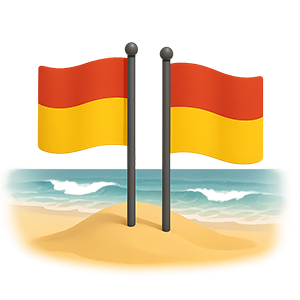 Swim Safe
As you enjoy some of the world's most stunning beaches, remember to always swim between the red and yellow flags, and follow the signage and guidance from surf lifesavers.
Disclaimer: This data was current as of March 2026. Some information is based on data from the last Australian Census and may not reflect more recent demographic or economic changes. Every effort has been made to ensure the accuracy of the information provided, but we make no guarantees regarding its completeness or reliability. The data is presented for general informational purposes only and does not constitute financial, investment, or legal advice. We are not liable for any errors, omissions, or consequences arising from its use. Users should verify details with relevant sources and seek professional advice where appropriate for the most accurate and up-to-date guidance.